Home Blog Page 5

Nature Issues Figure Correction for Cathepsin D Peptide Probe Study in Macrophages

0
Nature Issues Figure Correction for Cathepsin D Peptide Probe Study in Macrophages

A correction has been published for a Communications Chemistry study describing a fluorogenic, peptide-based probe designed to detect Cathepsin D in macrophages. The original paper appeared online in November 2023, and the update was issued in January 2026.

According to the notice, several structural drawings were shown incorrectly in the first version of the article. In Figure 1, the CatD-P3 probe was missing a carbon atom in the PEG tag, and the alkyne-PEG(5 K)-OMe reagent used in the click-chemistry step had been depicted with the wrong terminal group. Similar labeling and structure issues also affected Figure 2 and Supplementary Note 4.

The correction additionally states that the charges in one of the structures in Figure 2 were misplaced within the BODIPY fluorophore. Importantly, the authors and journal note that these were presentation errors only, with no effect on the experimental findings or the conclusions of the study.

The revised Figures 1 and 2, along with Supplementary Note 4, have been updated in the HTML and PDF versions of the article. The paper remains open access under a Creative Commons Attribution 4.0 International License.

AI generated illustration

AI-generated illustration

Lactate Turns on an ERK Feedback Loop That Fuels Cancer Growth

0
Lactate Turns on an ERK Feedback Loop That Fuels Cancer Growth source image 1
Source article image 2

Cancer cells are often described as metabolically rewired, but this study adds a more direct signaling twist: the lactate produced by the Warburg effect does not just mark altered metabolism, it actively helps drive tumor progression.

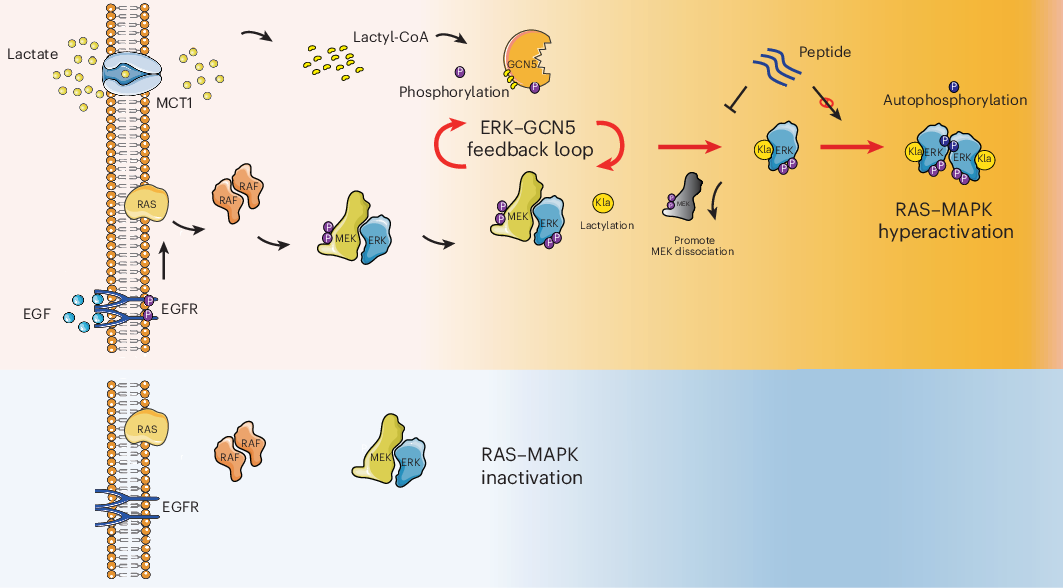
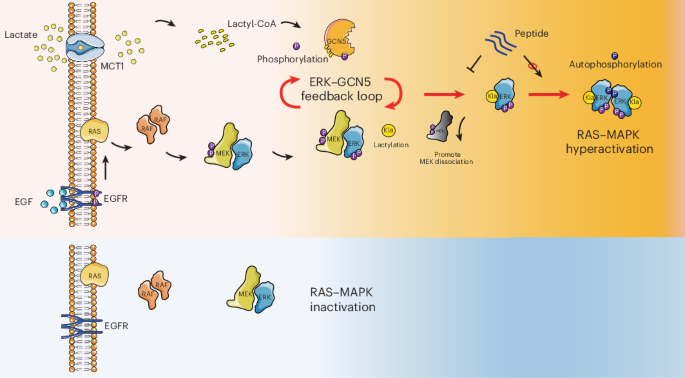
Researchers report that lactate can switch on the MAPK pathway by promoting a post-translational modification on ERK known as lactylation. In this work, the enzyme GCN5 was identified as the lactyltransferase that installs that mark. Once ERK is activated, it feeds back to phosphorylate GCN5, which in turn boosts GCN5’s ability to lactylate ERK again. The result is a self-reinforcing loop that strengthens lactate-dependent cancer signaling.

How lactylation changes ERK behavior

The key modification was mapped to lysine 231 on ERK. According to the study, lactylation at this site weakens ERK’s interaction with MEK, which appears to favor ERK dimerization and activation. That shift matters because ERK activation sits at the center of many growth and survival programs in cancer.

In other words, lactate is not simply a byproduct accumulating in the tumor microenvironment. Here, it behaves like a signaling input that helps push ERK into a more active state, while ERK itself amplifies the very enzymatic activity that modifies it.

A peptide-based way to break the loop

One of the most translational pieces of the study is the development of a cell-penetrating peptide designed to specifically block ERK lactylation. In preclinical testing, this peptide impaired tumor growth in KRAS-mutant cancer models, suggesting the lactylation interface could be a useful therapeutic target in RAS–ERK-driven disease.

That makes the work especially interesting for peptide researchers: it shows how a short, engineered peptide can be used not just to block a receptor or enzyme active site, but to interfere with a disease-promoting modification cycle inside the cell.

Why this matters

Much of the recent cancer-metabolism field has focused on how lactate shapes the immune environment or alters gene regulation. This study expands that picture by showing a direct route from lactate to oncogenic signaling through ERK and GCN5. It also connects metabolic remodeling to a targetable biochemical loop, which may open new paths for combination strategies in tumors that rely on RAS–ERK signaling.

For now, the takeaway is straightforward: lactate may be doing far more than accumulating in tumors. It may be helping to keep a major growth pathway switched on.

How lactate can switch on ERK: a new GCN5 feedback loop in cancer

0
How lactate can switch on ERK: a new GCN5 feedback loop in cancer source image 1
Source article image 2

Cancer cells are well known for their high rates of glucose use and lactate production. For years, that excess lactate has been viewed mainly as a metabolic byproduct with broader effects on the tumor microenvironment. A new study adds another layer: lactate may also act directly inside cancer cells by modifying a key growth pathway.

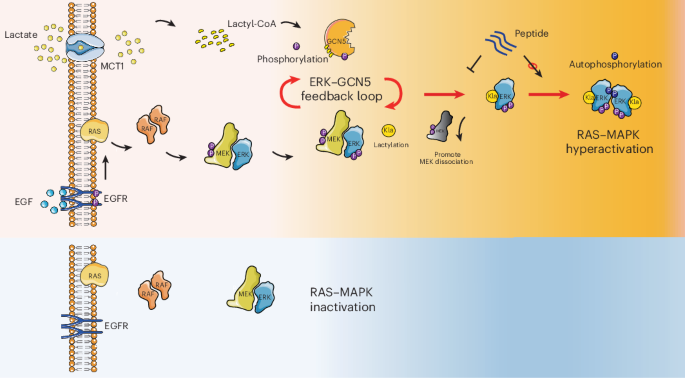
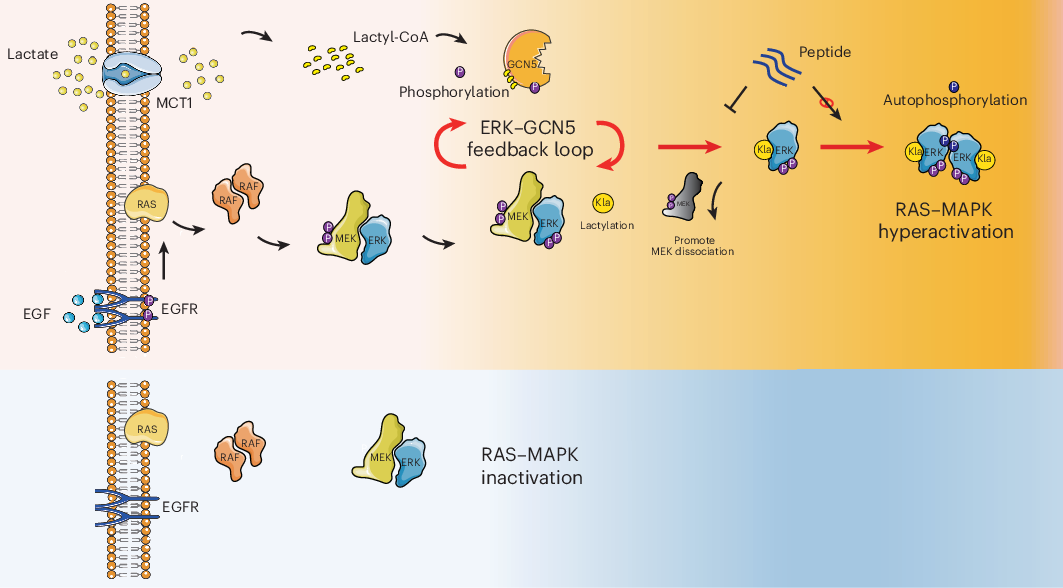
In this work, researchers report that lactate stimulates the MAPK pathway through ERK lactylation. They identify GCN5 as the enzyme that installs this modification on ERK, making it a lactyltransferase in this context. Once ERK is activated, it feeds back on GCN5 by phosphorylating it, which increases GCN5’s ability to lactylate ERK again. The result is a self-reinforcing loop that can amplify lactate-driven cancer progression.

A modification at ERK K231 changes signaling behavior

The study points to a specific site on ERK, lysine 231, as the key lactylation residue. According to the authors, adding a lactyl group at this position weakens ERK’s interaction with MEK. That shift appears to favor ERK dimerization and activation, helping push the pathway into a more active state.

This is notable because ERK sits at the center of a signaling network that controls cell growth, survival, and division. In tumors driven by RAS–ERK signaling, even modest changes in ERK regulation can have outsized effects on proliferation and malignancy.

A peptide strategy to interrupt the loop

Beyond mapping the mechanism, the team developed a cell-penetrating peptide designed to specifically inhibit ERK lactylation. In preclinical testing, the peptide reduced tumor growth in KRAS-mutant cancer models, suggesting that blocking this modification could be a useful way to dampen hyperactive RAS–ERK signaling.

The findings place lactate in a more direct signaling role than many cancer researchers may have expected. Rather than acting only as fuel or an environmental cue, lactate can also shape intracellular kinase activity through protein lactylation and phosphorylation crosstalk.

Why this matters

If these results hold up in broader settings, they could help explain how tumors turn metabolic rewiring into stronger growth signals. They also open the door to a new therapeutic angle: targeting ERK lactylation itself, rather than only upstream oncogenic drivers.

For cancers with active RAS–ERK signaling, that could be especially relevant. The study suggests that interrupting the lactate-GCN5-ERK circuit may offer a way to blunt tumor progression by breaking a feedback loop that cancer cells use to keep the pathway switched on.

Cycling Molecular Assemblies Enable Rapid Golgi Imaging and Selective Disruption

0
Cycling Molecular Assemblies Enable Rapid Golgi Imaging and Selective Disruption source image 1
Source article image 2
Source article image 3
Source article image 4

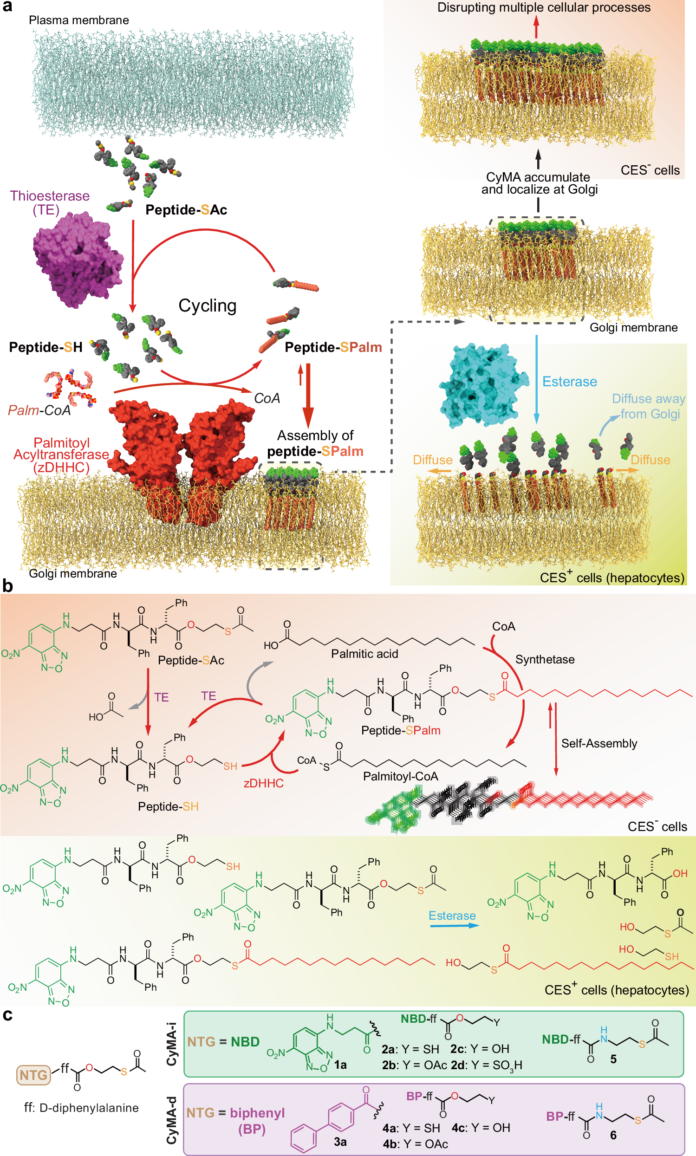
The Golgi apparatus sits at the center of protein trafficking, lipid processing, and signaling, making it an appealing but difficult target for both imaging and therapeutic intervention. A new peptide-based strategy called cycling molecular assemblies, or CyMA, uses a built-in enzymatic loop to localize at the Golgi and either visualize it quickly or interfere with its function.

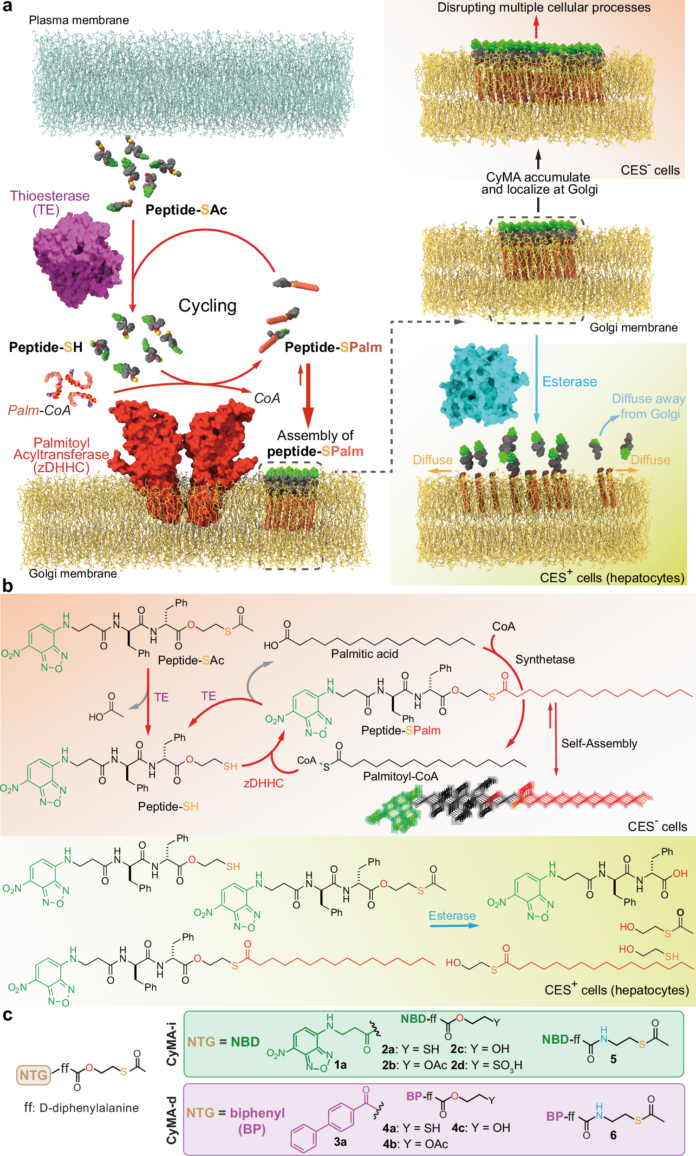
The approach starts with amphiphilic peptide thioesters that can enter cells. Once inside, thioesterases remove the protecting group to expose a thiol, which is then re-acylated by Golgi-resident palmitoyltransferases. This back-and-forth chemistry creates a dynamic, Golgi-enriched assembly that is effectively trapped in place by continuous cycling through deacylation and palmitoylation.

For imaging, the CyMA design produces near-immediate Golgi signal, even at very low probe concentrations. In a second version, the fluorescent component is replaced with a biphenyl group, converting the system from a reporter into a functional disruptor. This non-fluorescent variant accumulates at the Golgi and impairs protein modification, trafficking, and secretion, ultimately reducing cell proliferation and causing cell death in experimental models.

One notable feature of the platform is selectivity: the disruptor appears to spare some cell types, including hepatocytes and certain immune cells, likely because of differences in esterase activity. That makes the work interesting not only as a Golgi-targeting method, but also as a proof of concept for using enzyme-driven supramolecular assemblies to selectively trap peptide materials at specific organelles.

More broadly, the study suggests a modular framework that could be adapted to other cellular compartments by swapping in different enzyme pairs. In other words, dynamic peptide assembly may become a general way to image, perturb, or exploit organelles through chemistry that is actively maintained inside living cells.

Cycling peptide assemblies enable rapid Golgi imaging and selective disruption

0
Cycling peptide assemblies enable rapid Golgi imaging and selective disruption source image 1
Source article image 2
Source article image 3
Source article image 4

The Golgi apparatus is one of the cell’s busiest sorting and processing centers, but it has been difficult to label quickly or interfere with in a selective way. A new peptide-based strategy called cycling molecular assemblies, or CyMA, aims to change that by using the cell’s own lipidation machinery to trap supramolecular structures at the Golgi.

The approach begins with acetylated, amphiphilic thiopeptide precursors that can cross the plasma membrane. Once inside the cell, thioesterases remove the acetyl group to reveal thiols. Those thiols are then palmitoylated by Golgi-resident acyltransferases, creating palmitoylated peptides that self-assemble into dynamic nanostructures at the Golgi.

Because the palmitoylation and depalmitoylation reactions keep cycling, the assemblies accumulate rapidly and support near-instant Golgi imaging at very low probe levels. In other words, the Golgi is not just labeled passively; it is continuously fed by a futile enzymatic cycle that maintains localization.

The same design can be turned from a reporter into a disruptor. When the fluorescent group is replaced with a biphenyl motif, the resulting CyMA variant builds up at the Golgi and interferes with key functions such as protein modification, trafficking, and secretion. That disruption can mislocalize important proteins, impair receptor signaling, and ultimately suppress cell proliferation.

The study also reports an element of cell selectivity, with some cell types, including hepatocytes and certain immune cells, being less affected. The authors suggest that dynamic supramolecular assembly driven by enzyme switching could be adapted to other organelles by choosing different biochemical “switches” that enable kinetic trapping.

A New E3-Independent Route to Targeted Protein Degradation Uses Indirect Ubiquitination

0
A New E3-Independent Route to Targeted Protein Degradation Uses Indirect Ubiquitination source image 1
Source article image 2
Source article image 3
Source article image 4

Targeted protein degradation has reshaped drug discovery by making it possible to eliminate proteins rather than merely block them. Most of the best-known degraders, including PROTACs, work by bringing a target protein into close contact with an endogenous E3 ubiquitin ligase, which then tags the target for destruction by the proteasome.

That approach has proven powerful, but it also comes with design challenges. The target, linker, and E3 ligase must all fit together in a productive geometry for ubiquitination to occur efficiently. In practice, that can make optimization slow and unpredictable. It can also create a route to resistance if the ligase loses activity or if mutations disrupt the target–ligase interface.

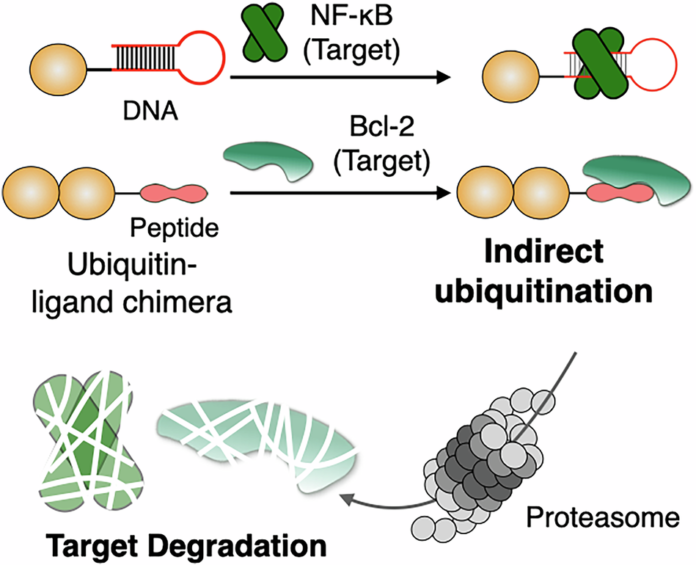
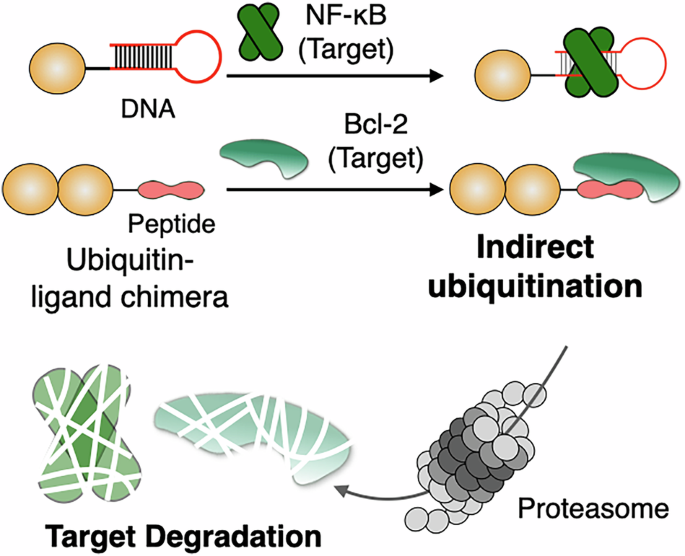
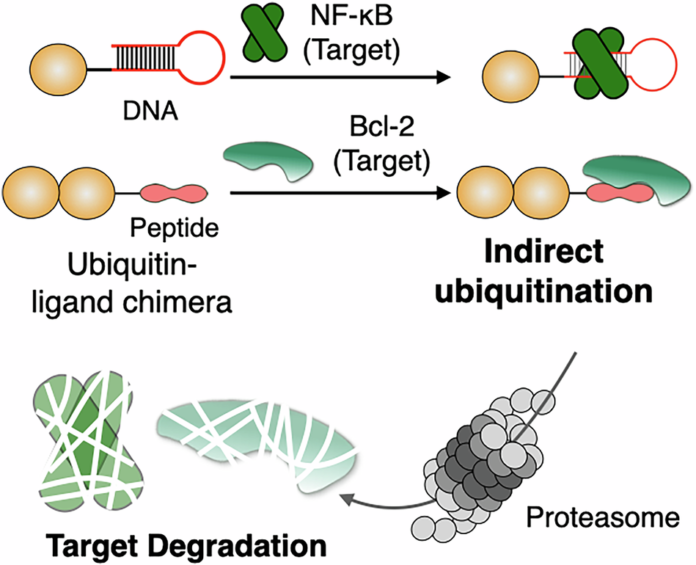
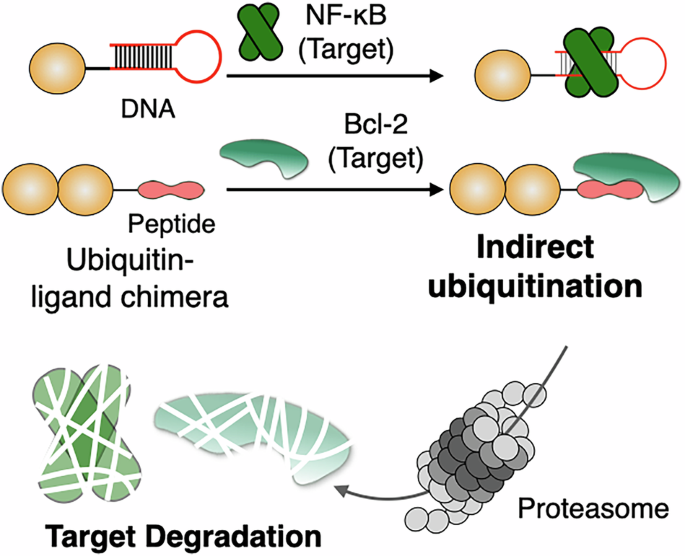
In a new study, researchers report an alternative they call indirect ubiquitination. Instead of depending on the cell’s own ubiquitination machinery to build the degradation signal, the strategy uses a chimeric molecule made from a target-binding ligand and a ubiquitin moiety. Through non-covalent binding to the target protein, the system places ubiquitin in position to promote degradation without requiring a recruited endogenous E3 ligase.

The team showed that this design could drive proteasomal breakdown of recombinant Bcl-2 and NF-κB p50, and they also demonstrated degradation of endogenous Bcl-2 inside cells. Those results suggest that ubiquitin itself can be used more directly as a chemical handle for protein removal, opening a different path for designing degraders.

The concept could matter for targets that are difficult to address with conventional PROTACs, especially when E3 availability, ligase expression, or ternary complex formation limits performance. If further developed, indirect ubiquitination may expand the toolkit for targeted protein degradation with a platform that is less dependent on the cell’s native E3 landscape.

For peptide and protein engineering researchers, the work is notable because it reframes ubiquitin not just as a downstream signal, but as a modular component that can be chemically delivered to a target protein. That may create new opportunities for designing next-generation proteolysis tools with different binding requirements and resistance profiles.

A New E3-Independent Route to Targeted Protein Degradation via Indirect Ubiquitination

0
A New E3-Independent Route to Targeted Protein Degradation via Indirect Ubiquitination source image 1
Source article image 2
Source article image 3
Source article image 4

Targeted protein degradation has become one of the most closely watched strategies in chemical biology, but most of the field still depends on recruiting the cell’s own ubiquitination machinery. That dependence can make degrader design tricky, since success often hinges on forming the right E3 ligase-target complex with the right shape, stability, and geometry.

In a new study, researchers describe indirect ubiquitination, a chemical approach designed to bypass endogenous E3 ligases altogether. Their system uses a chimeric molecule built from two parts: a ligand that recognizes the target protein and a ubiquitin component that can be non-covalently positioned so the target receives a ubiquitin tag without the usual E3-mediated handoff.

The result is a form of ubiquitin-based degradation that does not rely on the target’s interaction with a native ligase. In cellular and biochemical testing, the strategy promoted proteasome-dependent degradation of recombinant Bcl-2 and NF-κB p50, and also reduced levels of endogenous Bcl-2 inside cells.

This matters because classic PROTAC-style degraders can run into several practical barriers:

  • they may need extensive optimization to achieve productive ternary complex formation,
  • their activity can vary with the availability and behavior of endogenous E3 ligases,
  • and resistance can emerge through changes in ligase function or at the target-ligase interface.

By moving ubiquitin delivery upstream of endogenous E3 biology, indirect ubiquitination could open a new design space for degrader development. It may also broaden the range of proteins that can be targeted, especially cases where conventional E3-recruiting approaches have struggled.

For peptide and protein researchers, the concept is especially interesting because it reframes ubiquitin not just as a downstream signal, but as a modular chemical payload that can be tethered to a chosen target through binding interactions alone.

The work is still at an early stage, but it adds a fresh tool to the growing degradation toolbox and suggests that non-covalent ubiquitin delivery could become a useful platform for future therapeutics and probe design.

New S9 Protease WprP2 Found to Cleave RiPP Precursors in a Uniform Way

0
New S9 Protease WprP2 Found to Cleave RiPP Precursors in a Uniform Way source image 1
Source article image 2

A newly characterized protease is expanding what scientists know about peptide maturation in ribosomally synthesized and post-translationally modified peptides, or RiPPs.

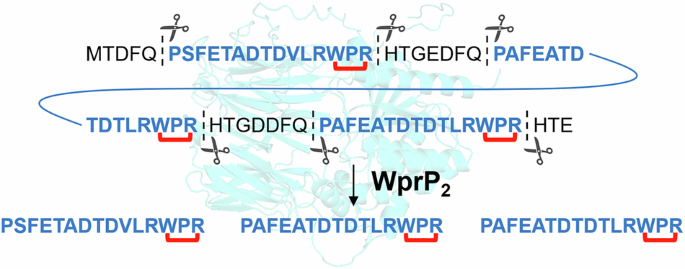
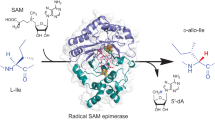
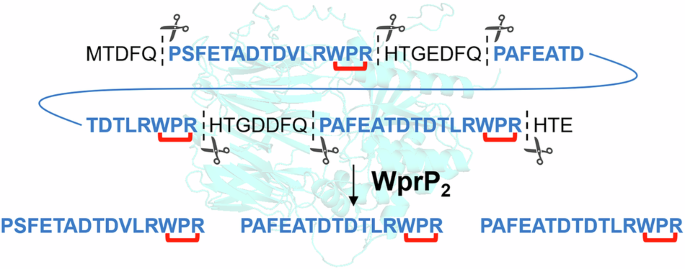
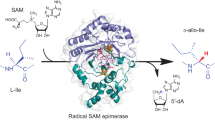
In work published in Communications Chemistry, researchers report that WprP2, an uncharacterized S9 serine protease from Streptomyces venezuelae NPDC049867, sits near the radical SAM enzyme WprB2 in a gene cluster linked to cyclophane natural product biosynthesis. When the enzyme was tested in vitro, it cleaved the precursor peptide WprA2 in a highly uniform manner.

That detail matters because proteases in RiPP pathways usually show defined but limited cleavage behaviors. The study suggests WprP2 represents a cleavage mode not previously observed among serine proteases involved in RiPP assembly, adding a new functional example to the small S9 family.

RiPPs rely on a two-step logic: enzymes first install chemical modifications on a peptide precursor, then a protease removes the leader region to release the mature product. In many pathways, that processing step is essential for biological activity. The new findings broaden the roster of proteases known to participate in this final maturation stage.

More broadly, the result may help researchers decode other orphan RiPP gene clusters, especially those involving radical SAM enzymes where the matching processing protease is not obvious from sequence alone.

As the field maps more of these unusual biosynthetic systems, enzymes like WprP2 could become useful clues for predicting how complex peptide natural products are assembled.

New S9 Protease WprP2 Shows Uniform Cleavage in RiPP Biosynthesis

0
New S9 Protease WprP2 Shows Uniform Cleavage in RiPP Biosynthesis source image 1
Source article image 2

Scientists studying ribosomally synthesized and post-translationally modified peptides, or RiPPs, have uncovered a new serine protease that broadens what is known about precursor peptide processing. The enzyme, called WprP2, comes from Streptomyces venezuelae NPDC049867 and sits next to the radical SAM enzyme WprB2 in a gene cluster linked to cyclophane natural product biosynthesis.

In a new characterization study, WprP2 was shown to cleave the precursor peptide WprA2 in a highly uniform manner. That behavior stands out because it does not match the cleavage patterns typically seen for serine proteases involved in RiPP maturation.

Why this matters

RiPP biosynthesis depends on proteases that remove leader regions from precursor peptides so the mature natural product can form. While cysteine proteases, metalloproteases, and several serine protease families are already known in this space, the S9 family has been relatively small. Before this report, only a few S9 proteases had been linked to RiPP pathways.

WprP2 expands that family and suggests that S9 proteases may play a wider role in RiPP assembly than previously appreciated. Its cleavage mode also appears distinct from the better-known S8 proteases and from other S9 enzymes reported so far.

Link to cyclophane biosynthesis

The discovery is especially interesting because it ties proteolysis to a radical SAM-dependent pathway. Radical SAM enzymes are increasingly recognized for building unusual peptide cross-links, including cyclophane-like structures. In many of these pathways, the relevant protease has not been obvious, which has made it harder to fully reconstruct how the final natural products are made.

By pairing WprP2 with WprB2 in the same biosynthetic neighborhood, the study provides a more complete picture of how this cyclophane-related RiPP may be assembled. It also highlights how much peptide-processing chemistry remains to be discovered in bacterial natural product gene clusters.

Takeaway

WprP2 is more than another protease annotation. It is a newly characterized S9 serine protease with an unusual, uniform cleavage activity on a RiPP precursor peptide. That makes it a useful addition to the RiPP toolkit and a reminder that peptide biosynthesis still holds many surprises.

A water-based route to greener solid-phase peptide synthesis

0
A water-based route to greener solid-phase peptide synthesis source image 1
Source article image 2
Source article image 3
Source article image 4
Source article image 5

Solid-phase peptide synthesis remains the workhorse method for making peptides used in research and development, but it comes with a major environmental cost. Conventional protocols rely heavily on organic solvents and generate large amounts of hazardous waste, creating pressure for cleaner alternatives as regulations tighten.

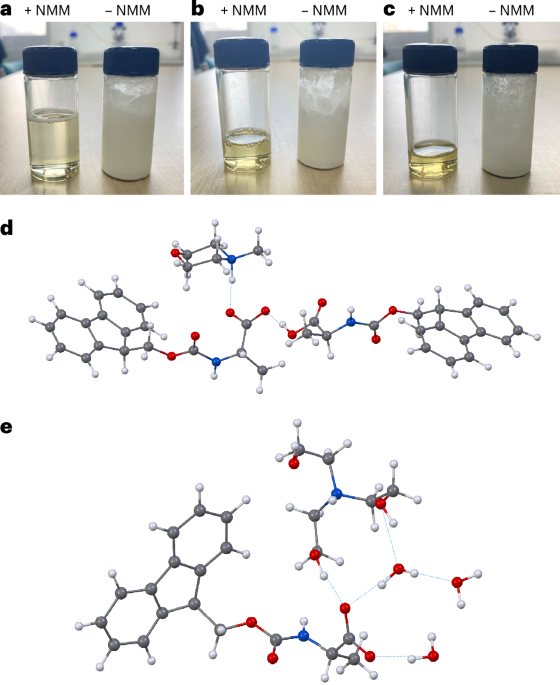
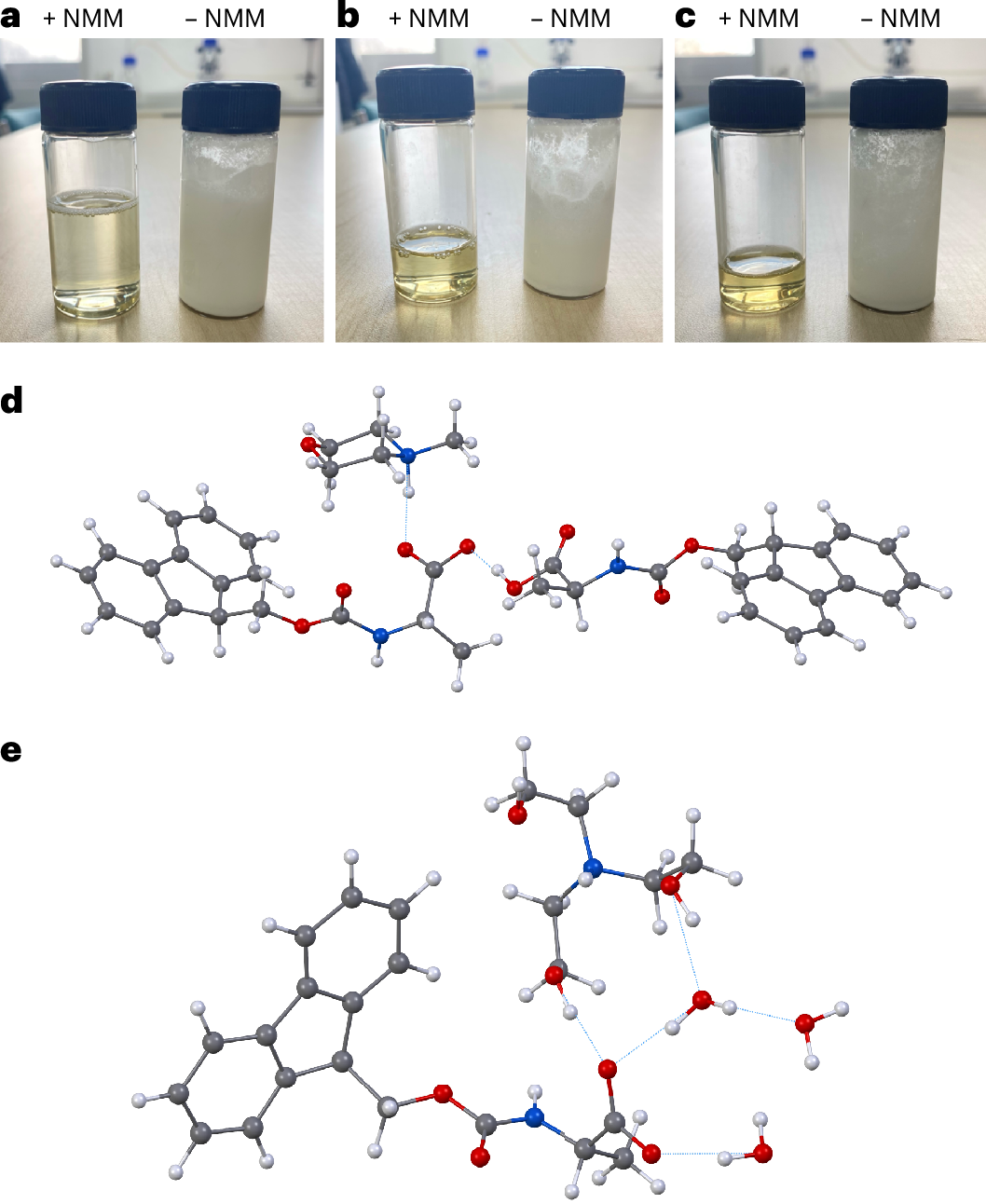
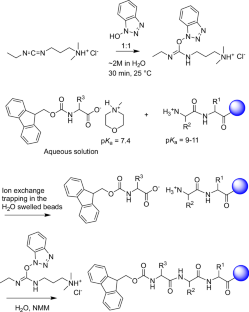
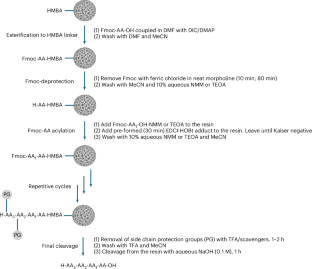
A new study describes a water-based approach that tackles one of the central obstacles to greener peptide chemistry: the poor water solubility of the standard Fmoc-protected amino acids used in SPPS. The researchers found that converting these amino acids into salts with common amines, such as N-methylmorpholine or triethanolamine, can make them highly soluble in water at useful concentrations.

Using a pre-formed, water-soluble activating agent, the team then carried out peptide coupling on a hydrophilic, biodegradable poly-ε-lysine-based solid support. According to the report, the method produced high-quality peptide chains in aqueous conditions while avoiding the side reactions that often complicate synthesis on solid supports.

The significance of the work is not just technical, but practical: peptide manufacturing is increasingly expected to reduce solvent use, and a simpler water-based workflow could help make peptide synthesis more scalable and more environmentally responsible.

If adopted broadly, this kind of approach could reshape how peptide libraries and larger peptide candidates are prepared for applications spanning therapeutics, agriculture, veterinary medicine, and cosmetics.