Home Blog Page 6

Water-based peptide synthesis takes a step toward greener SPPS

0
Water-based peptide synthesis takes a step toward greener SPPS source image 1
Source article image 2
Source article image 3
Source article image 4
Source article image 5

Solid-phase peptide synthesis has long been the workhorse for making peptides used in drug discovery, biomaterials research, and applications in agriculture, veterinary medicine, and cosmetics. But the method has a sustainability problem: it typically relies on large amounts of hazardous organic solvents and disposable solid supports that add to the waste stream.

That challenge has become more urgent as solvent-reduction rules tighten and labs look for practical replacements for conventional peptide chemistry. The newest work highlighted in Nature Sustainability points to a promising path forward: moving more of SPPS into water.

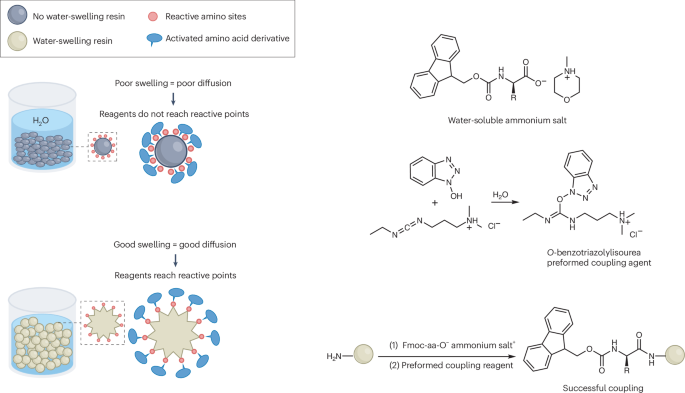
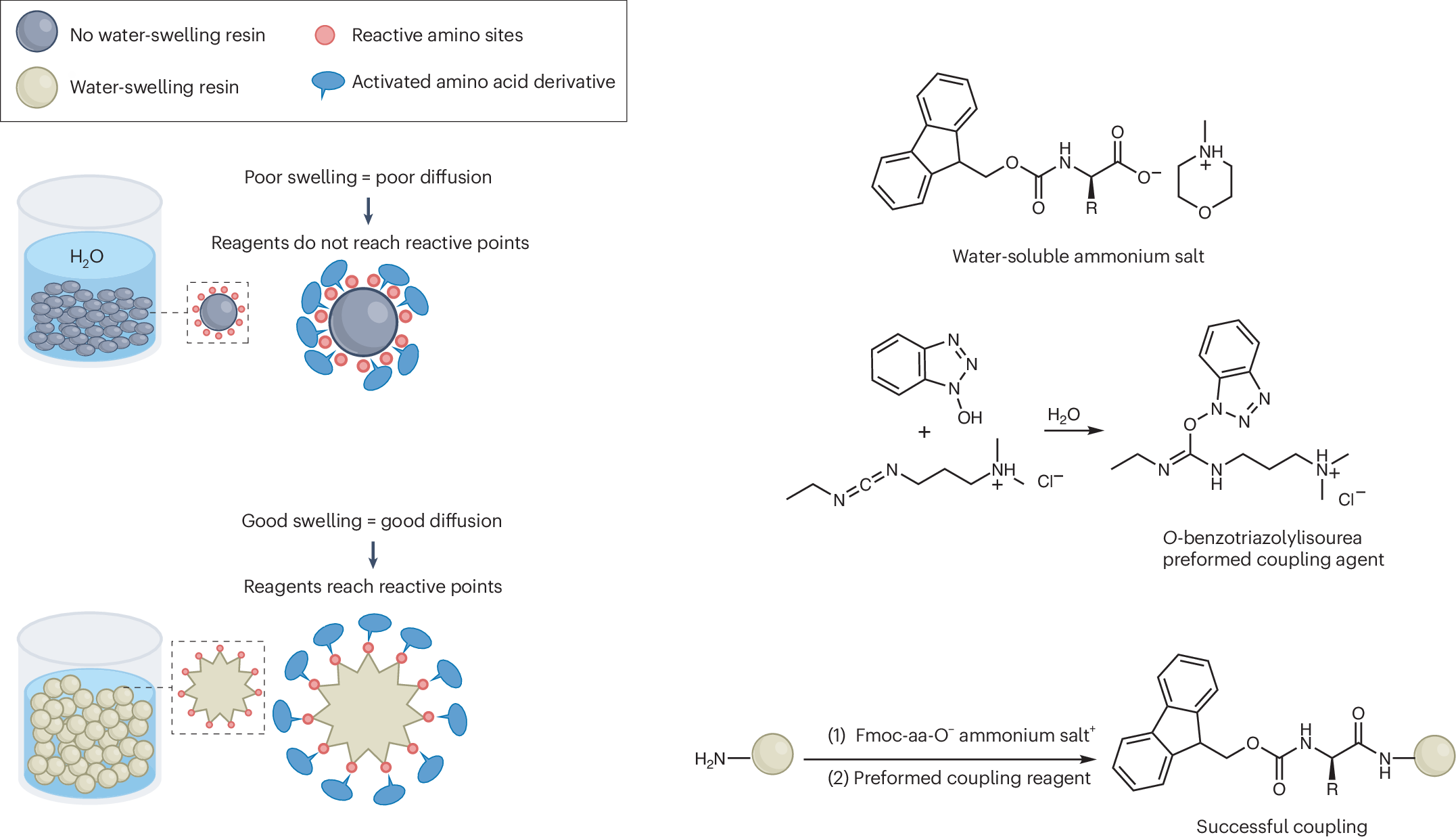
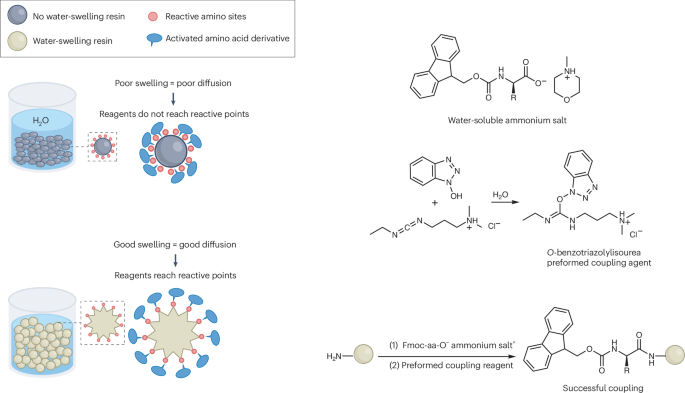
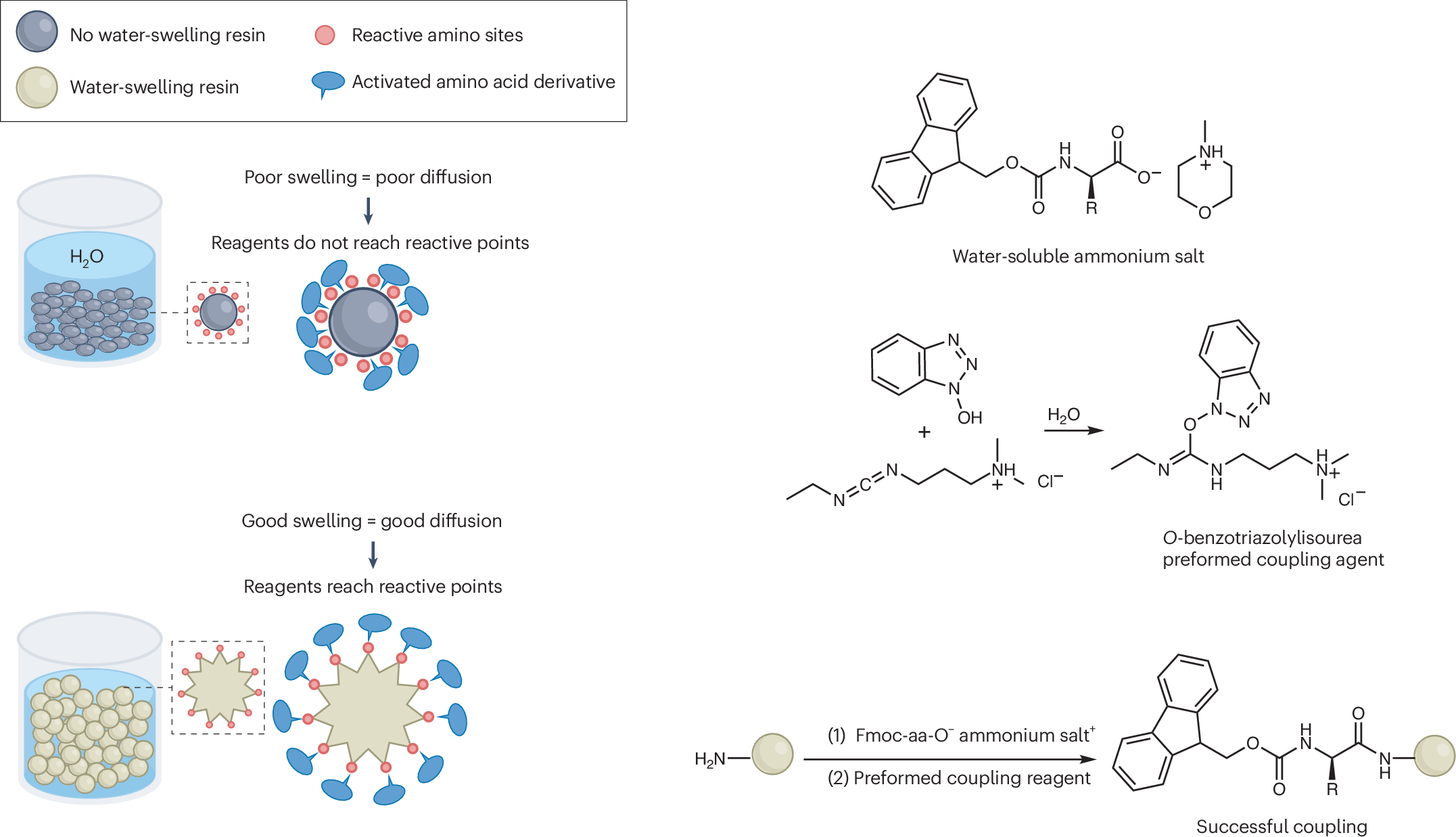
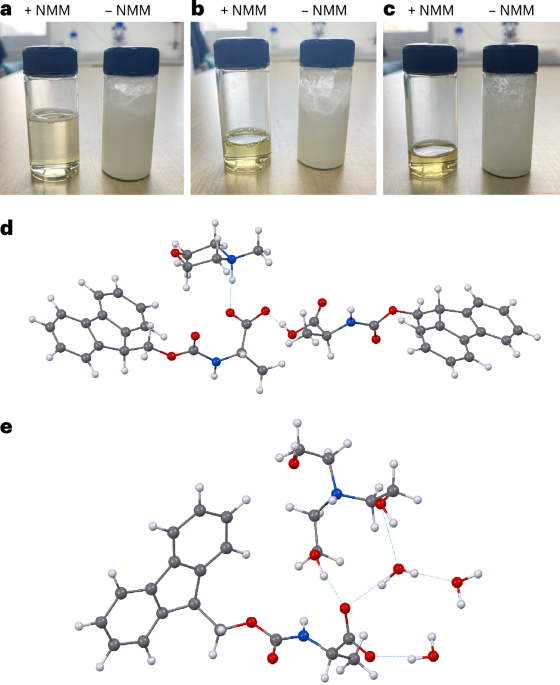
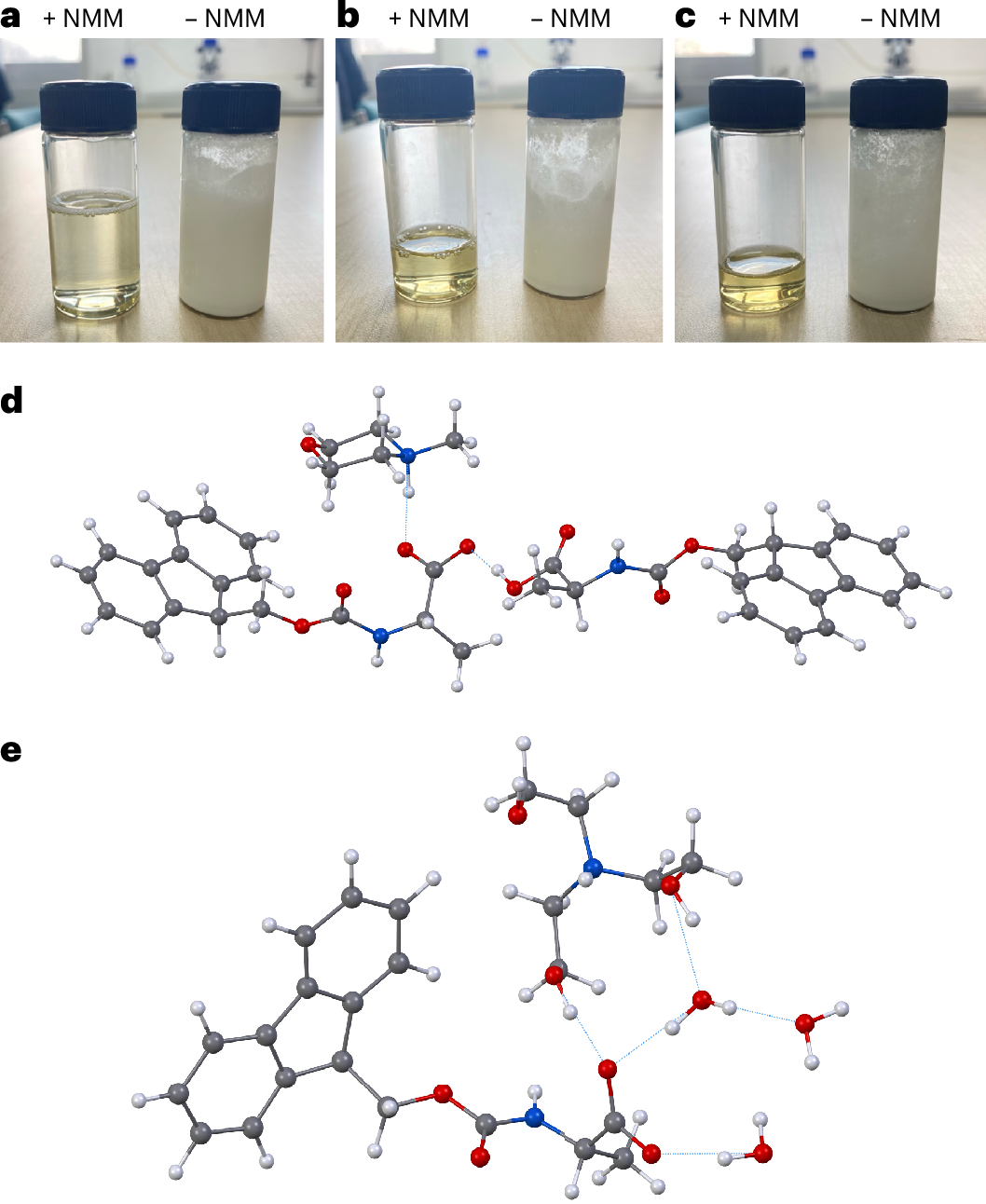
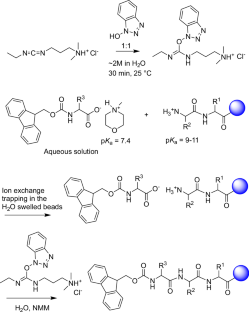
The key obstacle has always been the starting materials. The standard Nα-Fmoc-protected amino acids used in SPPS do not dissolve well in water, which makes an aqueous process difficult to run at useful concentrations. In this study, the researchers found that pairing these protected amino acids with certain amine salts, such as those formed from N-methylmorpholine or triethanolamine, produces highly water-soluble mixtures.

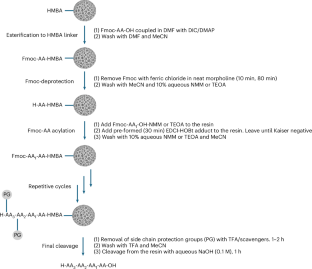
With that solubility issue addressed, the team combined the amino-acid feedstock with a pre-formed water-soluble activating agent and carried out peptide assembly on a hydrophilic, biodegradable poly-ε-lysine-based solid support. According to the report, the reaction proceeds cleanly in aqueous solution and avoids the side reactions that often complicate peptide synthesis.

Why this matters: if the approach scales, it could reduce dependence on toxic solvent systems and non-degradable resins without sacrificing the practicality that made SPPS so widely adopted in the first place. For peptide research, that would mean a more sustainable way to build the molecules that underpin many modern therapeutics and biological studies.

The broader significance is simple but important. Peptide manufacturing has been searching for greener chemistry that still works with real-world synthesis demands. Water-based SPPS will not replace every existing workflow overnight, but this study shows that the gap between performance and sustainability may be narrowing.
New probes let researchers map Gαs signaling with spatial and temporal precision

0
New probes let researchers map Gαs signaling with spatial and temporal precision source image 1
Source article image 2
Source article image 3
Source article image 4

Gαs is one of the best-known switches in GPCR signaling, helping relay signals from cell-surface receptors to downstream effectors. It is also the G protein most often altered in cancer, making it a major focus for both basic biology and therapeutic research.

For years, the dominant model placed Gαs signaling at the plasma membrane. That picture has been steadily challenged by evidence that Gαs can also act from inside the cell, including on intracellular organelles. But proving where and when that signaling occurs has been difficult, largely because existing tools have not offered enough control over location and timing.

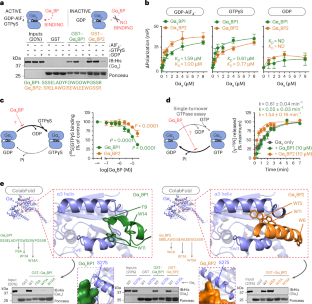
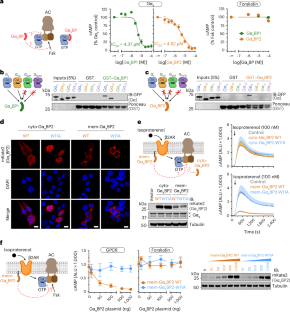
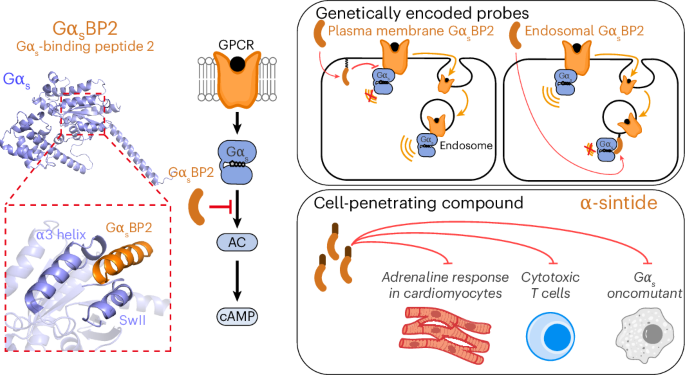
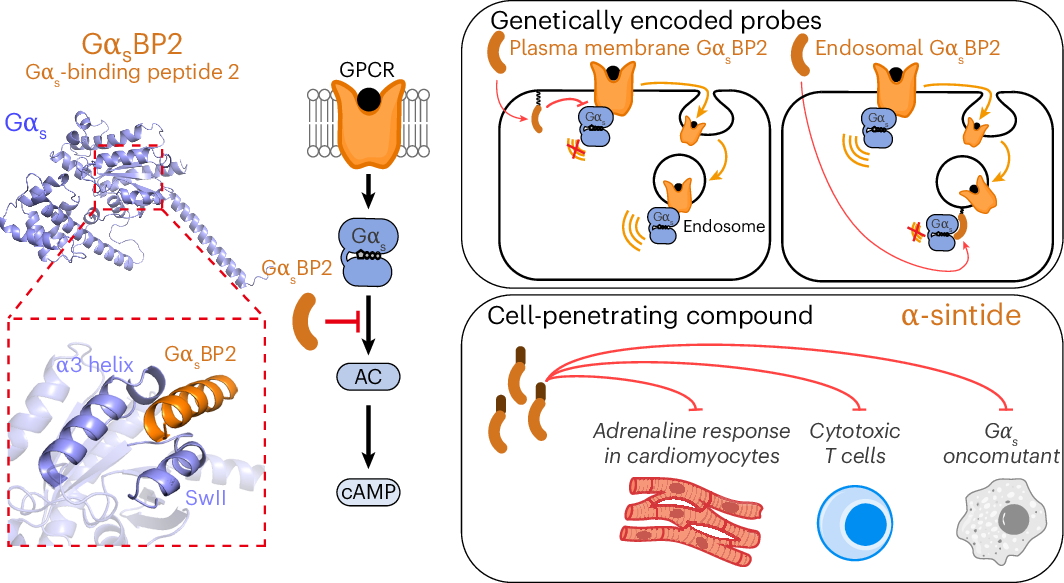
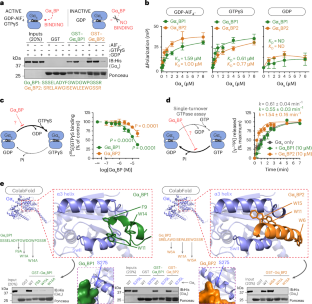
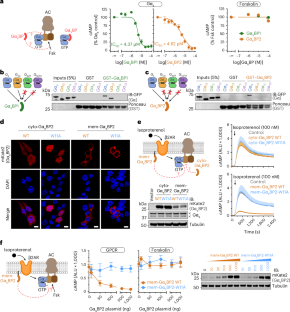
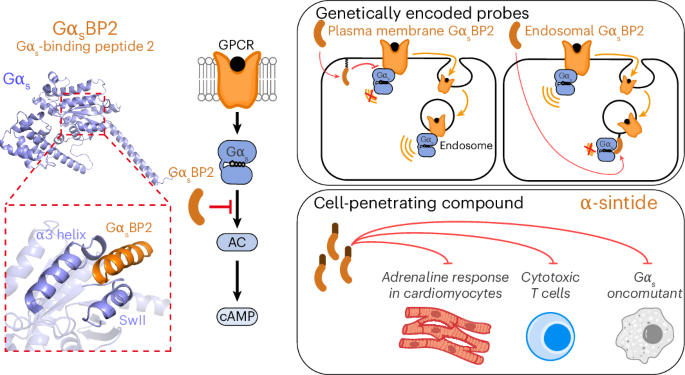
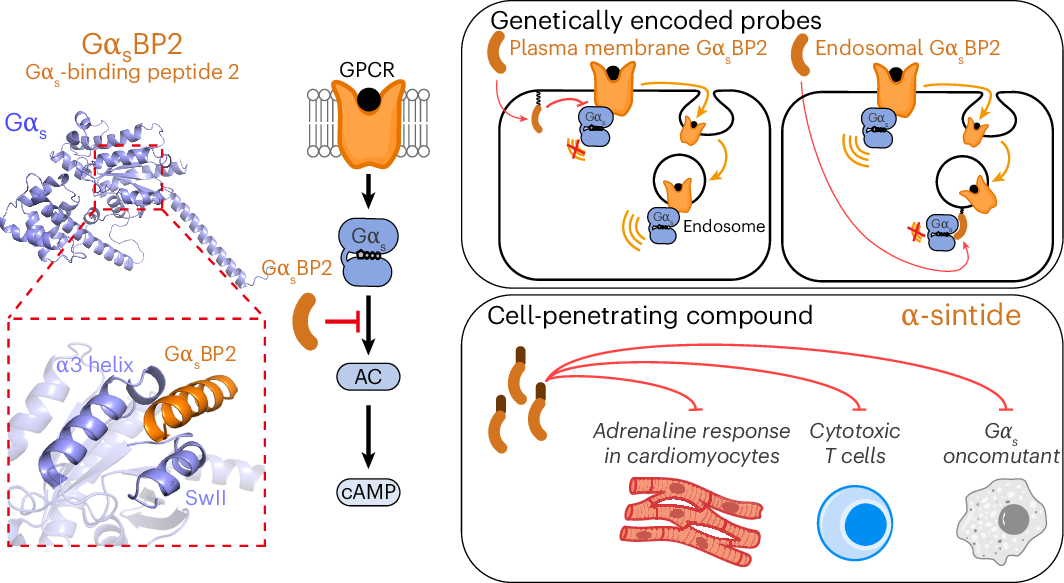
In this study, the authors introduce a new set of inhibitory probes designed to block the effector-binding site of active Gαs in living cells. The toolkit includes genetically encoded probes as well as cell-penetrating compounds, allowing researchers to shut down signaling at specific subcellular sites, at chosen time points, and under a range of experimental conditions.

Using these probes, the team provides direct evidence that Gαs can signal from intracellular organelles. They also report that cancer-associated Gαs variants show distinct signaling behavior in space and time, suggesting that oncogenic mutations may alter more than just signaling strength.

Beyond cancer biology, the work shows that Gαs signaling can be selectively controlled in physiologically relevant settings such as cardiac and immune cells. That raises the possibility of using these tools to dissect normal signaling pathways, disease mechanisms, and potential drug responses with far greater precision than before.

Overall, the study opens a new route for investigating GPCR biology: not just asking whether Gαs is active, but where it is active, when it is active, and how that context shapes its biological effects.

New inhibitory probes let researchers map Gαs signaling in space and time

0
New inhibitory probes let researchers map Gαs signaling in space and time source image 1
Source article image 2
Source article image 3
Source article image 4

Gαs has long been treated as one of the core switches in GPCR signaling, helping carry signals from the cell surface to downstream effectors. It is also notable for being among the heterotrimeric G proteins most often altered in cancer. But a growing body of evidence has challenged the traditional view that Gαs signaling is confined to the plasma membrane.

In a new study, researchers report a toolkit designed to interrupt active Gαs signaling with much greater spatial and temporal precision than older approaches allowed. The platform includes genetically encoded probes and cell-penetrating compounds that bind the effector-recognition region of activated Gαs, preventing signal transmission at chosen subcellular sites and at selected times.

That precision matters because Gαs can be active in more than one cellular neighborhood. Using these new inhibitors, the team obtained direct evidence that Gαs-mediated signaling occurs on intracellular organelles, not just at the cell surface. The work also uncovered distinct timing and localization patterns in disease-linked Gαs variants, suggesting that oncogenic mutants may reshape signaling behavior in ways that were previously difficult to resolve.

The approach was also used to probe more physiologically relevant settings, including cardiac and immune cells, where tightly controlled Gαs signaling can influence important responses. By making it possible to block Gαs at specific locations and moments, the new tools should help researchers connect receptor activation to downstream biology with far more nuance.

Beyond basic signaling biology, the findings point to a broader therapeutic idea: if Gαs signaling can be modulated with this level of precision, it may be possible to target disease-relevant pathways without shutting down the entire system. For peptide and probe researchers, the study is a reminder that even classic signaling proteins still have hidden layers to uncover when the right molecular tools are available.

Water-Based Peptide Synthesis Pushes Greener Manufacturing Forward

0
Water-Based Peptide Synthesis Pushes Greener Manufacturing Forward source image 1
Source article image 2
Source article image 3

Therapeutic peptides are becoming more important in drug development, but the way they are manufactured can come with a heavy environmental cost. Traditional peptide synthesis often depends on large amounts of solvent and uses more reagent than is strictly necessary, creating waste that clashes with the push for greener chemistry.

In a new report, researchers describe a water-based synthetic protocol designed to make peptide production more sustainable. The key idea is straightforward: replace solvent-intensive steps with a process that is better aligned with environmental goals, while still supporting the chemistry needed to build peptide chains efficiently.

That matters because peptide medicines are not a niche market anymore. As interest in peptide therapeutics continues to rise, so does the pressure to scale production in a way that is both practical and environmentally responsible. Lower solvent use could reduce the footprint of manufacturing, especially in workflows where solvents represent one of the largest contributors to waste.

The study adds to a growing body of work focused on greener peptide chemistry. Researchers in this area have been exploring ways to streamline synthesis, cut down on resource use, and move away from methods that are difficult to sustain at industrial scale. Water-based approaches are particularly appealing because they offer a route to reduce hazardous organic solvent consumption.

While the broader impact will depend on how well the method performs across different peptide sequences and production settings, the direction is clear: peptide synthesis is being rethought through the lens of sustainability. For a field tied closely to pharmaceuticals and manufacturing, that shift could be just as important as any improvement in yield or speed.

In short, greener peptide synthesis is no longer just a concept for the future. It is becoming an active area of innovation, with water emerging as an increasingly valuable tool in the chemist’s toolkit.

A Water-Based Route Could Make Peptide Synthesis Greener

0
A Water-Based Route Could Make Peptide Synthesis Greener source image 1
Source article image 2
Source article image 3

Therapeutic peptides are attracting growing interest across medicine, but making them is still resource-intensive. Traditional synthesis methods often depend on excess reagents and, above all, large amounts of organic solvent, which raises both environmental and practical concerns.

In response, researchers have described a water-based synthetic protocol designed to reduce the footprint of peptide production. The idea is straightforward but important: if peptide chemistry can be shifted toward aqueous conditions, manufacturers may be able to cut down on solvent use while keeping the chemistry useful for real-world applications.

This development fits into a wider push for greener manufacturing in pharmaceuticals and fine chemicals. Solvent consumption is one of the biggest sustainability challenges in peptide synthesis, so any method that can operate in water deserves attention. While the long-term impact will depend on scope, efficiency, and compatibility with different peptide sequences, the report signals that more environmentally conscious routes are becoming a serious part of peptide process development.

As demand for peptide-based therapeutics continues to rise, sustainable synthesis will likely become less of a niche goal and more of a core requirement. Water-based methods may not replace every existing workflow, but they could help set a new standard for how peptide chemistry is designed in the future.

Bee Pollen Peptide Shows Dual Anti-Diabetic Potential in Lab Tests

0
Bee Pollen Peptide Shows Dual Anti-Diabetic Potential in Lab Tests source image 1
Source article image 2
Source article image 3
Source article image 4

Bee pollen is best known as a nutrient-rich natural product, but a new study suggests it may also contain peptides with activity relevant to type 2 diabetes research. Scientists working with a bee pollen protein hydrolysate isolated a short peptide, ATHALLA (also called AA-7), that showed two notable properties in laboratory experiments: it inhibited the enzyme DPP-IV and it altered the expression of glucose transport genes in intestinal cells.

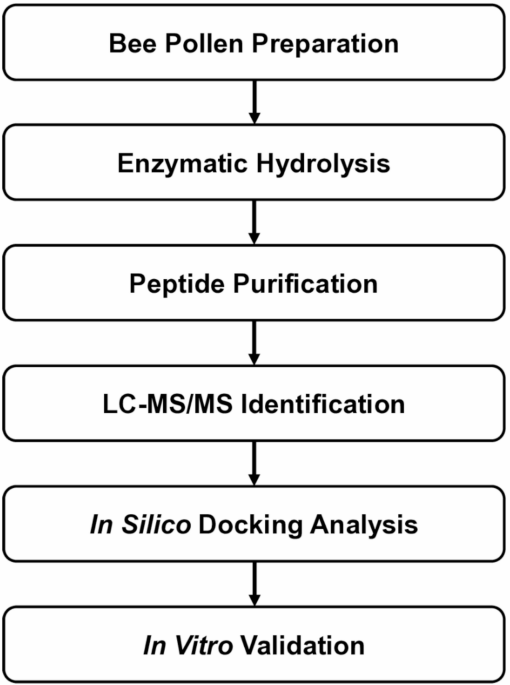
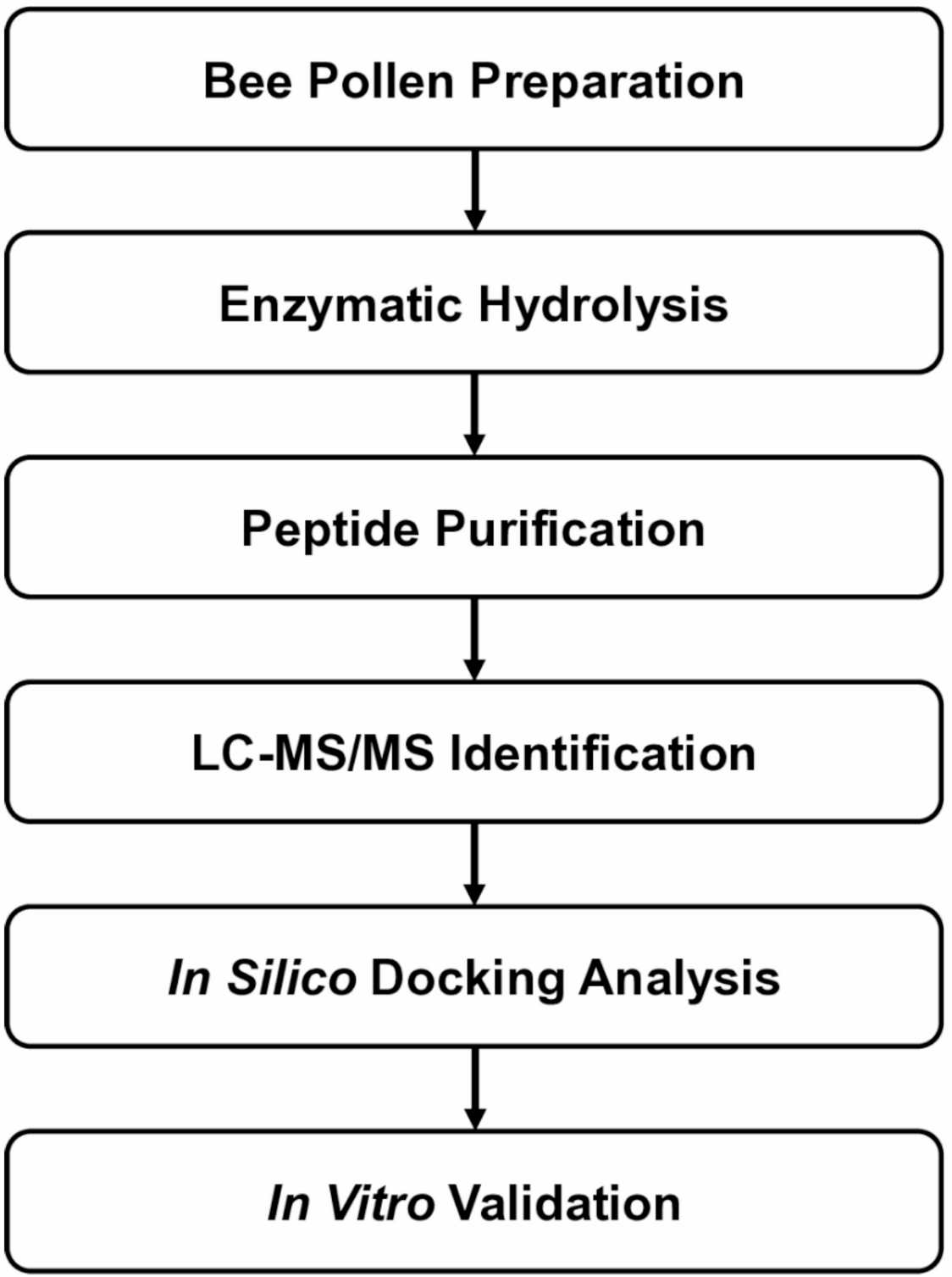
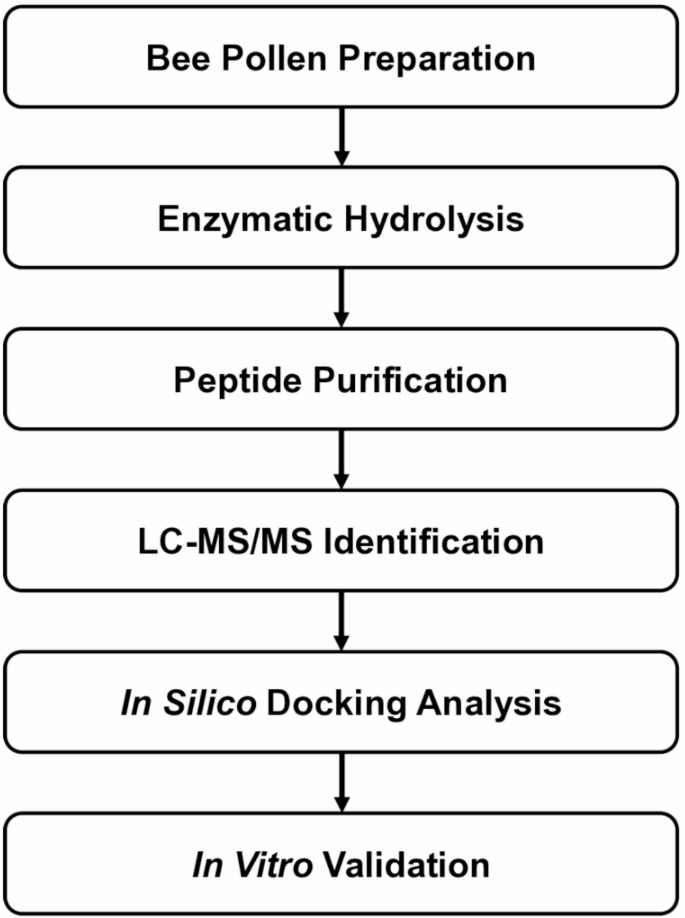
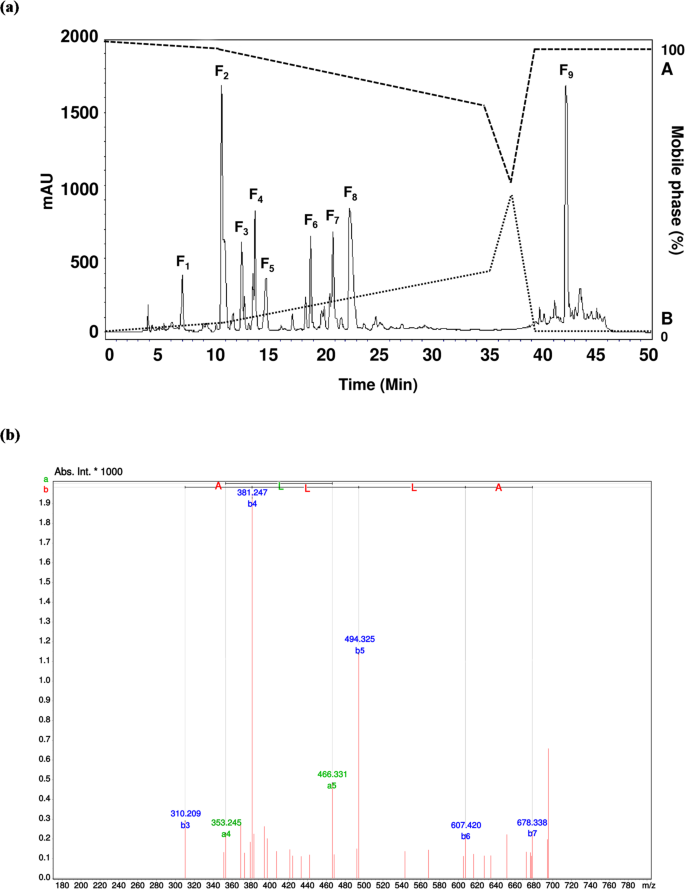
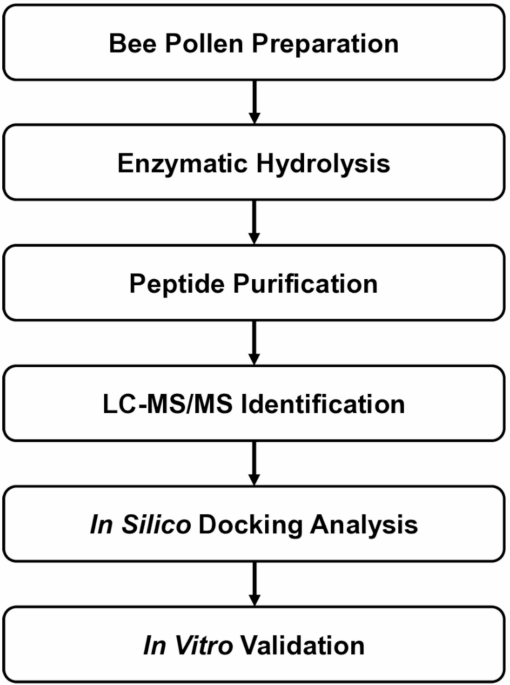
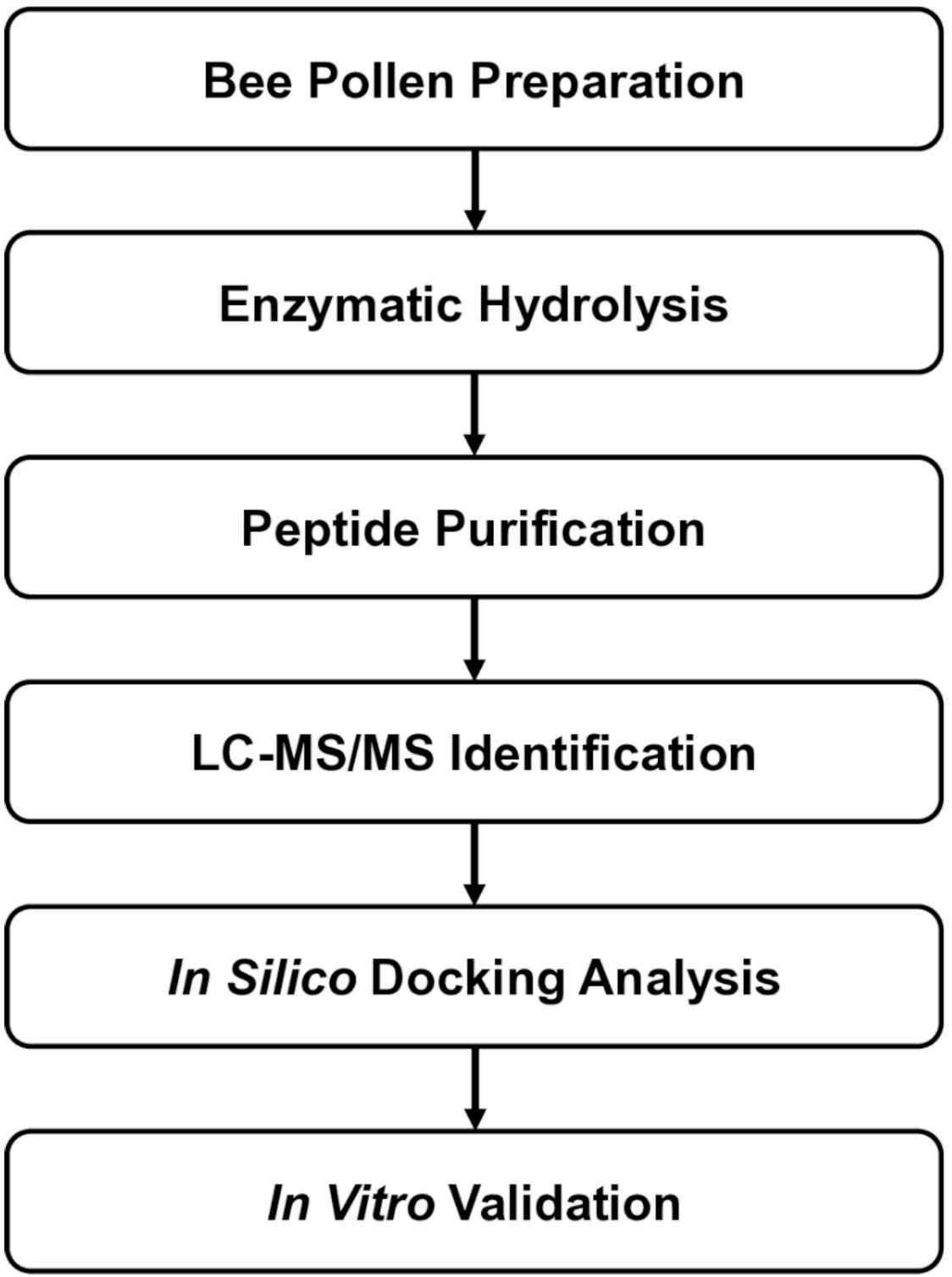
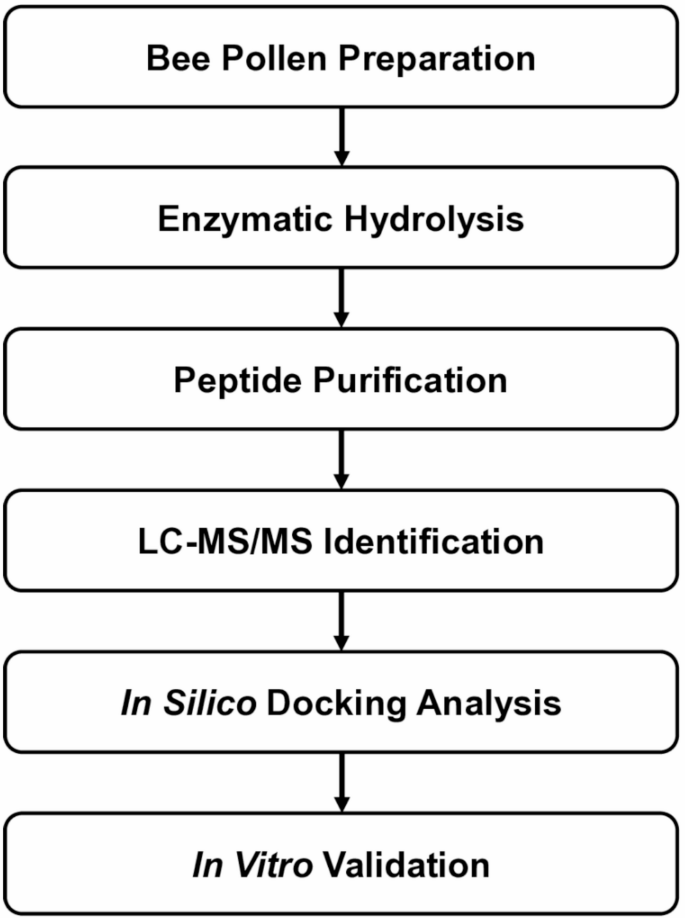
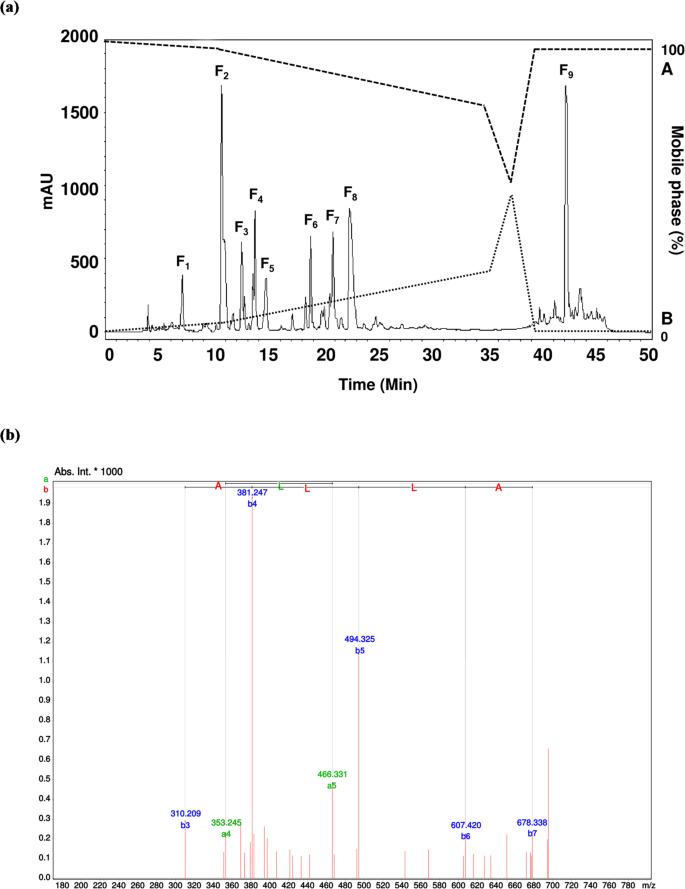
The team produced the hydrolysate using a simulated digestive process with pepsin and pancreatin, then separated peptide fractions with ultrafiltration and purification by reverse-phase HPLC. Using mass spectrometry, they identified ATHALLA as a leading candidate linked to the observed DPP-IV inhibitory activity.

Why DPP-IV matters

DPP-IV is an important target in diabetes research because it breaks down incretin hormones such as GLP-1, which help regulate blood sugar after meals. By slowing DPP-IV activity, it may be possible to extend the action of these hormones and support better glucose control. In this study, ATHALLA inhibited DPP-IV with an IC50 of 52.63 µM. That is weaker than the reference compound diprotin A, but still significant for a naturally derived peptide.

Computational docking backed up the biochemical data, suggesting that ATHALLA can fit into the DPP-IV active site and form a network of hydrogen-bond and hydrophobic interactions with key residues in the enzyme’s catalytic pocket.

Effects on glucose transport in intestinal cells

The study also examined the peptide in Caco-2 cells, a widely used intestinal cell model. Here, ATHALLA appeared to influence genes involved in glucose uptake, including SGLT1 and GLUT2, in a dose-dependent manner. The authors also used docking analyses to explore possible interactions with these transport-related proteins, although they caution that these simulations are supportive rather than proof of mechanism.

In practical terms, this gives the peptide a dual profile: it may act both on hormone regulation through DPP-IV inhibition and on intestinal glucose handling through transporter modulation.

What the early safety and ADMET results suggest

In silico ADMET screening pointed to a few likely hurdles. The peptide was predicted to have poor passive membrane permeability and limited intestinal absorption, which could affect oral bioavailability. On the other hand, it showed minimal predicted CYP450 interactions and low toxicity signals, which is encouraging from a safety perspective.

That combination is common in early peptide research: strong biological activity in vitro, but pharmacokinetic challenges that may require formulation strategies or peptide optimization before real-world use becomes plausible.

Why this matters for nutraceutical research

The findings add to a growing body of work suggesting that food-derived peptides can do more than provide nutrition. If further studies confirm the activity and improve delivery, bee pollen peptides could become candidates for functional foods or nutraceuticals aimed at glycemic support.

For now, the work should be viewed as an early-stage discovery: promising in enzyme assays, supported by molecular modeling, and active in a cell model, but not yet tested in animals or humans. Still, ATHALLA stands out as a useful lead for researchers exploring natural DPP-IV inhibitors with added effects on glucose transport.

Bee Pollen Peptide Shows Dual Activity in DPP-IV Inhibition and Glucose Transport Modulation

0
Bee Pollen Peptide Shows Dual Activity in DPP-IV Inhibition and Glucose Transport Modulation source image 1
Source article image 2
Source article image 3
Source article image 4

A new study points to bee pollen as a source of bioactive peptides with potential relevance to blood sugar regulation. After enzymatic digestion and purification of bee pollen protein hydrolysates, researchers isolated a seven-amino-acid peptide, Ala-Thr-His-Ala-Leu-Leu-Ala, or ATHALLA (AA-7), that showed two notable activities: inhibition of dipeptidyl peptidase IV (DPP-IV) and modulation of glucose transport-related genes.

DPP-IV is an important target in type 2 diabetes research because the enzyme rapidly breaks down incretin hormones such as GLP-1. By slowing DPP-IV activity, it may be possible to prolong endogenous GLP-1 signaling and support glucose control. In this work, AA-7 inhibited DPP-IV with an IC50 of 52.63 ± 2.32 µM. That places it below the potency of the reference inhibitor diprotin A, but still within a range that supports interest in natural peptide leads.

To understand how the peptide might interact with the enzyme, the team performed molecular docking studies. The modeling suggested that AA-7 fits stably within the catalytic pocket of DPP-IV, with hydrogen bonding and hydrophobic contacts helping anchor the peptide to key residues. While docking does not prove biological function on its own, it provides a structural rationale for the observed inhibition.

The study also looked beyond DPP-IV. In Caco-2 cells, AA-7 influenced the expression of SGLT1 and GLUT2, two proteins involved in intestinal glucose handling. The response was dose-dependent, suggesting that the peptide may affect glucose transport as well as incretin degradation. Additional docking work with SGLT1 and GLUT2 offered further support for possible interactions, though the authors note that these results are best viewed as hypothesis-generating rather than definitive mechanistic proof.

Safety and drug-likeness were also examined using in silico ADMET analysis. The peptide was predicted to have poor passive permeability and limited intestinal absorption, which could complicate oral delivery. At the same time, the computational profile suggested minimal CYP450 interactions and low toxicity, pointing to a potentially favorable safety profile if delivery challenges can be addressed.

Overall, the findings add to growing interest in food-derived peptides as candidates for metabolic health applications. Bee pollen protein hydrolysates may contain sequences that combine enzyme inhibition with effects on glucose transport, opening a possible path toward nutraceutical or functional food development. For now, AA-7 looks like a promising lead rather than a finished therapy, but it highlights how natural products continue to supply new ideas for diabetes research.

CycloPepper Uses Machine Learning to Predict Which Cyclic Peptides Will Close Successfully

0
CycloPepper Uses Machine Learning to Predict Which Cyclic Peptides Will Close Successfully source image 1
Source article image 2
Source article image 3
Source article image 4
Source article image 5

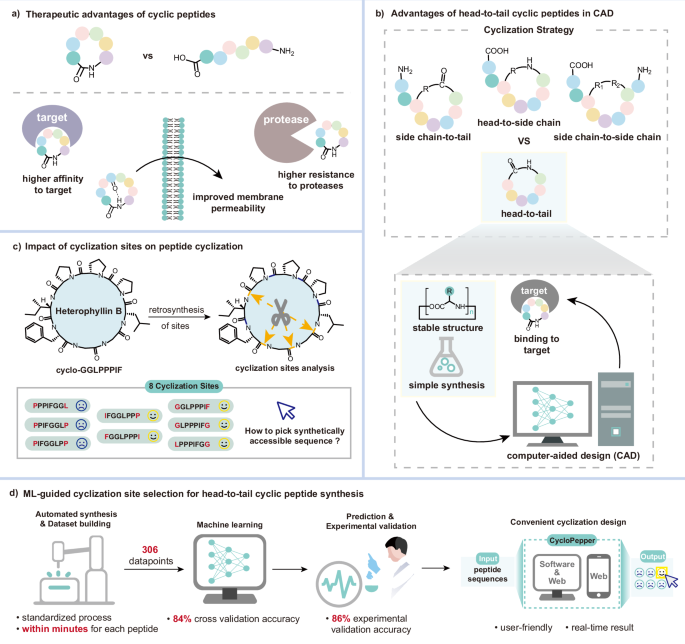
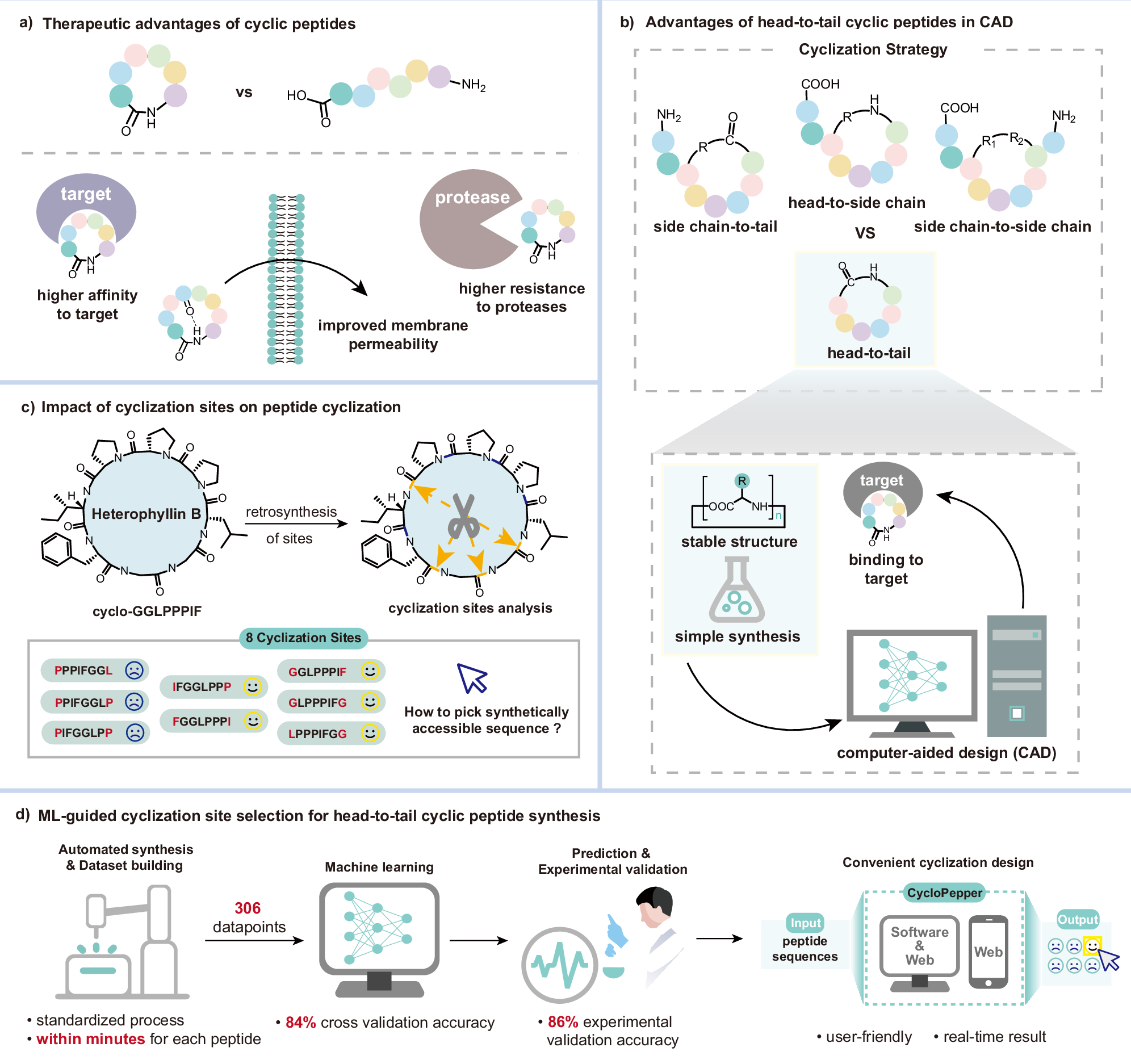
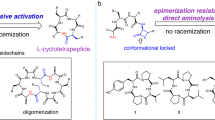
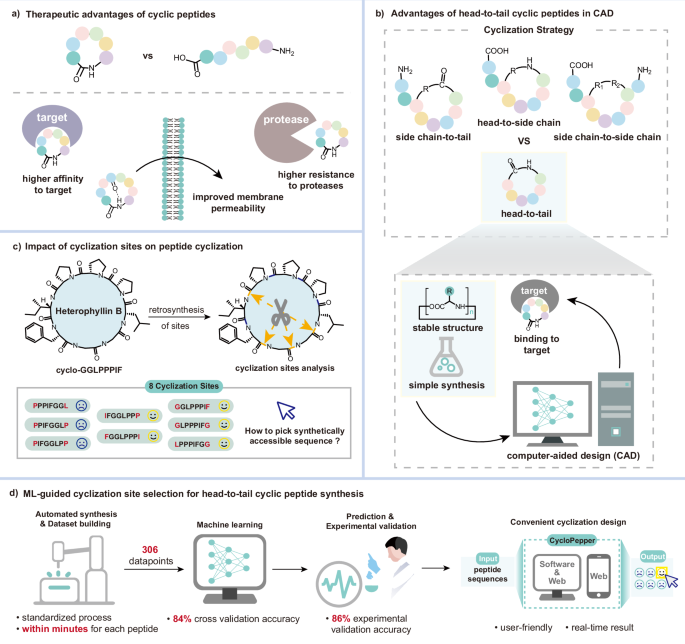
Cyclic peptides have long attracted attention in drug discovery because their ring-shaped structures can improve stability, permeability, and target binding. But making them is often the hard part. In particular, head-to-tail cyclization on solid support can be highly sequence dependent, and choosing the wrong disconnection site can mean low yields or failed closure.

A new study introduces CycloPepper, a machine-learning platform designed to predict cyclization outcomes and guide synthesis planning for therapeutic cyclopeptides. The system was trained on a standardized set of 306 cyclic peptides ranging from 2 to 14 residues, generated using an automated synthesis workflow called CycloBot. According to the authors, the model reached an average prediction accuracy of 84%.

To test whether the predictions held up in practice, the team evaluated the platform against 74 randomly selected and therapeutically relevant peptides, reporting 86% consistency between predicted and observed outcomes. That validation step matters because cyclization is notoriously sensitive to local sequence features, steric effects, and the conformational preferences of the peptide backbone.

What makes CycloPepper especially useful is its focus on a practical bottleneck in peptide chemistry: selecting the best cyclization site before committing time and materials to synthesis. Rather than relying only on trial-and-error or expert intuition, researchers can use the platform through a web interface or software tool to assess candidate ring-closure strategies more quickly.

The authors also highlight examples involving disease-targeting peptides, including sequences relevant to cancer biomarkers, where the platform helped identify viable cyclization sites. That kind of application points to a broader goal: making cyclic peptide discovery faster, more reproducible, and more accessible for therapeutic programs.

As peptide therapeutics continue to move from concept to clinic, tools like CycloPepper suggest that machine learning may become an important partner to automation in the lab. If successful, that combination could help researchers spend less time troubleshooting synthesis and more time advancing promising cyclic peptide candidates.

Histidine-Rich Coiled Coils Emerge as a Key Switch in Mussel Glue Formation

0
Histidine-Rich Coiled Coils Emerge as a Key Switch in Mussel Glue Formation source image 1
Source article image 2
Source article image 3
Source article image 4

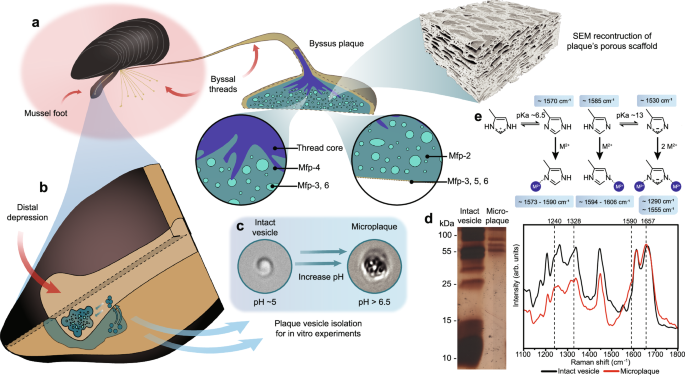
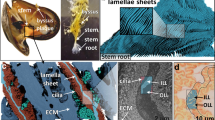
Mussels have long inspired researchers building underwater adhesives, largely because of the famous role of DOPA-containing proteins. But a new study suggests that the picture is broader than a DOPA-only mechanism. The work highlights a previously overlooked histidine-rich plaque protein, mefp-12, as an important contributor to how mussel glue forms, hardens, and achieves its distinctive porous architecture.

Using biochemical localization, the researchers found mefp-12 inside vesicles of the mussel foot’s glue-secreting glands, where adhesive proteins are stored before release. Sequence modeling suggested that the protein can adopt zinc-stabilized coiled-coil structures and contains regions with zinc-finger-like features. That prediction fits with the protein’s unusually high histidine content, which gives it the capacity to respond strongly to metal ions and local pH.

In vitro tests with a histidine-rich α-helical peptide derived from mefp-12 showed a sequence of physical transitions that may mirror what happens in the animal. In the presence of zinc, the peptide underwent liquid-liquid phase separation, forming fluid condensates that spread across surfaces. When exposed to seawater-like pH conditions, those condensates reorganized into solid, nanoporous networks resembling native mussel plaque.

The findings suggest that histidine-mediated metal coordination and pH-triggered self-assembly help drive the curing of mussel glue, not just DOPA chemistry. That shift in emphasis could matter for biomaterials research, since the ability to create wet adhesives that both spread and then set into a porous solid remains a major challenge in synthetic systems.

More broadly, the study adds a new layer to the biology of mussel adhesion: plaque formation appears to depend on a coordinated secretory process, with proteins stored in droplets, released, and then transformed into a functional adhesive structure through environment-sensitive assembly. For engineers, that natural sequence offers a compelling blueprint for next-generation bio-inspired glues.

CycloPepper Uses Machine Learning to Predict Cyclopeptide Cyclization Success

0
CycloPepper Uses Machine Learning to Predict Cyclopeptide Cyclization Success source image 1
Source article image 2
Source article image 3
Source article image 4

Therapeutic cyclic peptides are attractive drug candidates because their ring-shaped structure can improve stability, binding strength, and membrane permeability. But one of the hardest steps in making them is deciding where to close the peptide chain, since the wrong cyclization site can sharply reduce yield.

Researchers have now introduced CycloPepper, a machine learning platform designed to predict cyclization outcomes for head-to-tail cyclic peptides. The system was trained on a standardized dataset generated with CycloBot, a fully automated synthesis platform that produced 306 cyclic peptides spanning 2 to 14 residues.

According to the study, the resulting model reached an average prediction accuracy of 84%. When the researchers tested the approach on 74 random and therapeutically relevant peptides, the predictions matched experimental results in 86% of cases.

The platform is meant to be practical for peptide chemists, offering both web-based and software access so users can rapidly assess possible cyclization sites before running synthesis. In validation work, it helped identify promising cyclization options for disease-targeting peptides, including sequences relevant to cancer biomarkers.

The broader goal is to reduce trial-and-error in cyclic peptide synthesis. By combining automation, standardized data generation, and machine learning, the team shows how computational tools may help streamline the development of peptide therapeutics.

For a field where synthesis success can depend heavily on sequence context, site selection, and conformational constraints, tools like CycloPepper could become an important part of the design workflow.