Home Blog

Water Takes Center Stage in Solid-Phase Peptide Synthesis

0
Water Takes Center Stage in Solid-Phase Peptide Synthesis source image 1
Source article image 2

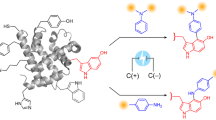
A new study highlights a peptide synthesis approach designed to make one of chemistry’s most widely used methods more water-friendly. Donald A. Wellings, Morten Meldal, John D. Wade and co-workers report a solid-phase peptide synthesis (SPPS) workflow built around a hydrophilic, biodegradable poly-ε-lysine-based support and aqueous reaction conditions.

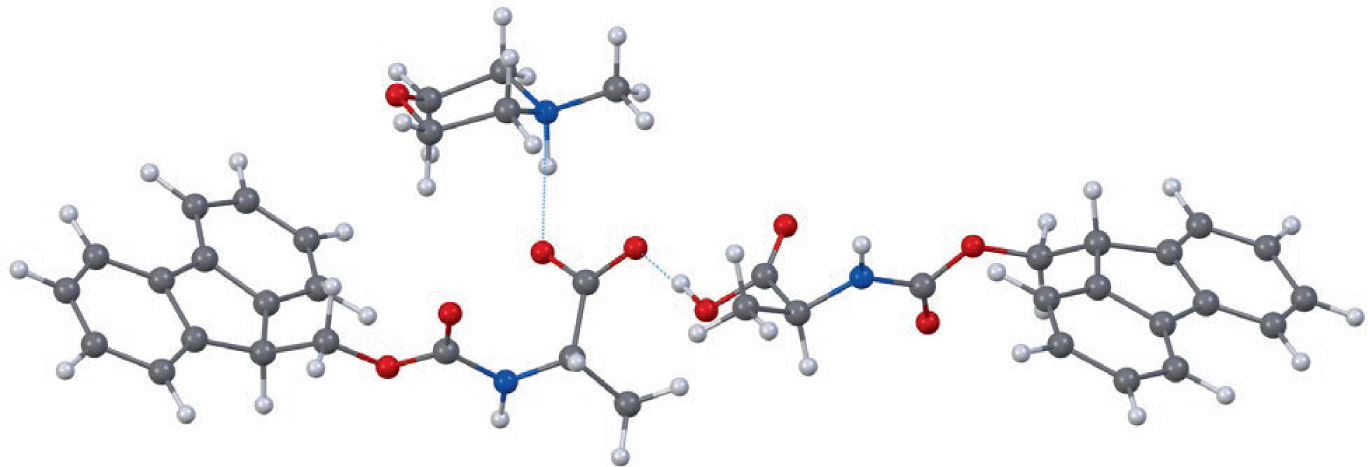
The key enabling step is the conversion of conventional Nα-Fmoc amino acids into water-soluble salts before coupling. The team found that pre-treatment with bases such as N-methylmorpholine (NMM) or N,N,N-triethanolamine (TEOA) allows high-concentration aqueous formulations, extending the strategy across 20 standard Fmoc-protected amino acids.

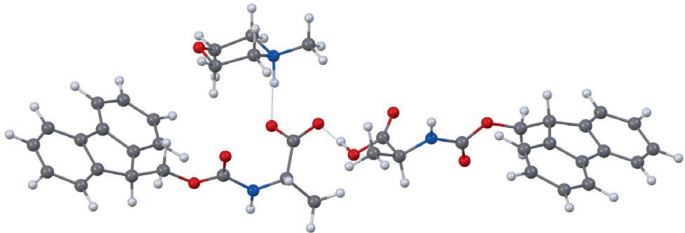
To better understand the chemistry behind the solubility boost, the researchers used 3D electron diffraction on the resulting amino acid–base crystals. The structural data supported a 1:1 relationship between the amino acid and base, with evidence that the amine component is deprotonated within the complex.

While classic SPPS still depends heavily on solvent-intensive workflows, this work points toward a more sustainable alternative by pairing water-compatible building blocks with a biodegradable support. If broadly adaptable, the method could help lower solvent use without sacrificing the familiar Fmoc chemistry used in peptide assembly.

For peptide researchers, the most interesting part may be that the chemistry does not require a complete reinvention of synthesis logic. Instead, it reframes familiar reagents in a water-based system, suggesting a practical path toward greener peptide manufacturing.
Structural snapshots of insect sodium-channel toxins point to smarter biopesticide design

0
Structural snapshots of insect sodium-channel toxins point to smarter biopesticide design source image 1
Source article image 2
Source article image 3

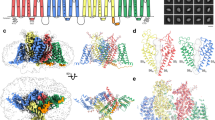
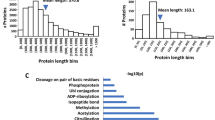
Natural toxins that target voltage-gated sodium channels have long intrigued researchers because many are extremely potent against insects while sparing mammals. A new study uses cryo-electron microscopy to explain that selectivity at atomic resolution, revealing how two peptide toxins from very different animals recognize the same insect channel through distinct binding strategies.

The team examined NavPaS, an insect sodium channel, bound to Av3 from a sea anemone and LqhαIT from a scorpion. Both toxins act on voltage-sensing domain 4 (VSD4), where they interfere with fast inactivation by keeping the S4 segment in a deactivated state. Although they share this overall outcome, the structures show different contact patterns: Av3 binds at a membrane-facing pocket between VSD4 and pore domain 1, while LqhαIT uses the more familiar neurotoxin site 3.

That contrast is important. It suggests that insect selectivity does not come from a single universal rule, but from a set of molecular features that shape how toxins and channels coevolved. Supporting the structural work, electrophysiology and toxicity assays showed that the observed interactions match functional effects on channel gating and insect survival.

One of the most notable parts of the study is its design component. Using the structural data as input for AI-assisted protein engineering, the researchers modified LqhαIT and identified a variant with roughly doubled insecticidal efficacy in bioassays. In other words, the structures did not just explain how the toxins work; they also provided a practical template for improving them.

For biopesticide development, that combination matters. Peptide toxins can offer high potency and specificity, but only if their activity can be tuned to the right target species. By pairing cryo-EM with computational design, the study offers a roadmap for building next-generation toxin-based pest control agents that are both more effective and more precisely targeted.

The work also adds to a broader picture of sodium-channel pharmacology, showing how different natural ligands can converge on the same functional endpoint through very different structural solutions. That diversity may prove useful as researchers look for new ways to exploit insect-specific channel features without increasing risks to non-target animals.

A Peptide Catalyst That Steers Macrocyclization with Remarkable Selectivity

0
A Peptide Catalyst That Steers Macrocyclization with Remarkable Selectivity source image 1
Source article image 2

Macrocycles are often prized in medicinal chemistry because their rigid shapes can improve binding, selectivity, and stability. But making them in a controlled way is notoriously difficult, especially when a reaction has to build a large ring while also setting stereochemistry with precision.

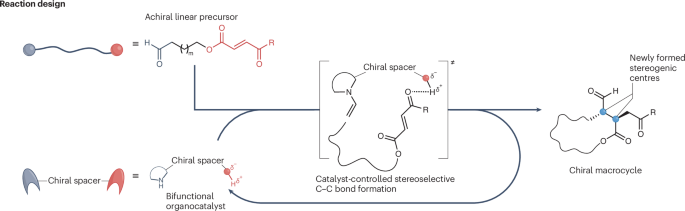
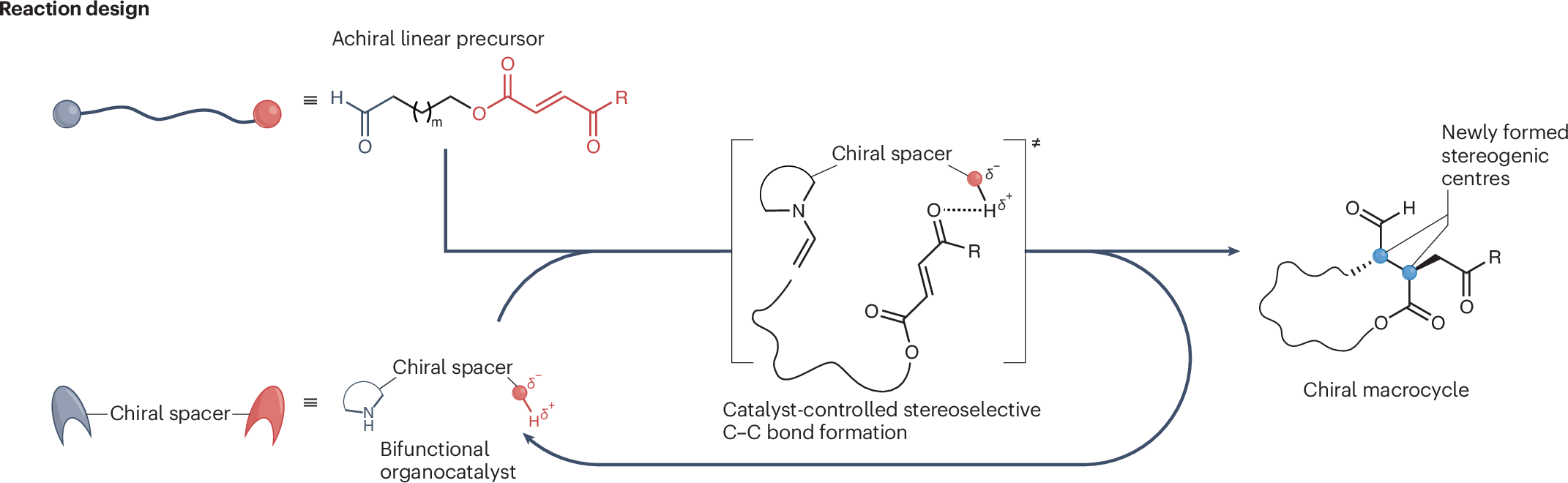
A new study in Nature Catalysis describes a peptide-based organocatalyst that solves much of that problem. The catalyst is a tripeptide built from proline-derived elements: D-Pro-α-MePro-Glu-NH2. After screening related proline-inspired catalysts and fine-tuning the reaction conditions, the researchers found this sequence to be the most effective for directing macrocyclization.

What makes the catalyst unusual is its bifunctional design. One part activates the substrate through enamine formation, while another part helps organize the linear precursor into a favorable folded arrangement for ring closure. The glutamic acid side chain appears to play an important preorganization role through noncovalent interactions with the Michael acceptor in the substrate, helping bias the reaction toward intramolecular bond formation rather than unwanted side products.

Using this strategy, the team converted linear substrates containing 12- to 18-membered ring targets with excellent results. Reported selectivity reached 20:1 diastereoselectivity and 99% enantiomeric excess, while macrocycle formation dominated over dimerization in most cases. Computational work supported the proposed stereocontrol model and also helped explain why smaller rings are disfavored: the energetic cost of forming rings below 12 members is too high.

The scope was not limited to one type of Michael acceptor. The researchers also showed that similar outcomes could be obtained with other acceptor motifs, including enamides. Importantly, changes to the linear backbone, including the presence of sp2– and sp-hybridized carbons, did not dramatically erode performance. Even when backbone stereocenters were present, the catalyst remained the main source of stereochemical control.

The method was further demonstrated in late-stage functionalization at an aldehyde handle, and it was applied to the synthesis of a macrocyclic core related to robotnikinin, a molecule of therapeutic interest because of its interaction with the Sonic Hedgehog pathway.

Overall, the work suggests that a well-designed peptide organocatalyst can do more than accelerate a reaction: it can actively choreograph macrocycle formation with predictive stereocontrol. That could make this approach useful for building macrocycles and macrolide-like scaffolds with potential biomedical value.

Cyclic Voltammetry Offers a New Window into Short Elastin-Like Peptide Transitions

0
Cyclic Voltammetry Offers a New Window into Short Elastin-Like Peptide Transitions source image 1
Source article image 2
Source article image 3

Elastin-like polypeptides are best known for their unusual response to environmental cues such as heat and salt. Built from repeating VPGXG motifs, these biomaterials can shift between more soluble and more compact states, making them attractive for sensing, delivery, and other engineered applications.

But one key question has remained difficult to answer: can the transition behavior of very short elastin-like peptides still be detected once they are fixed to a surface? A new study tackles that challenge with an electrochemical readout designed specifically for surface-bound peptides.

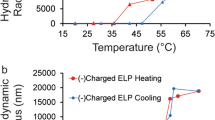
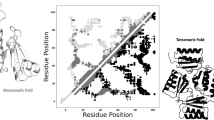
The researchers attached short engineered elastin-like sequences to gold electrodes through an N-terminal cysteine tag. They then added a C-terminal tyrosine tag, giving each peptide a built-in electroactive handle. Because tyrosine can be oxidized at an appropriate voltage, the team used cyclic voltammetry to monitor whether changes in peptide conformation altered the measured current.

As the short peptides responded to changing conditions, their electrochemical signal shifted in a way that reflected the underlying transition. The effect depended on peptide design, including differences in hydrophobicity, suggesting that sequence composition still plays a major role even in these compact surface-tethered constructs.

To support the electrochemical findings, the team also examined the same peptides in solution using UV-visible spectroscopy. Comparing the two readouts helped distinguish behavior that was intrinsic to the peptide sequence from effects introduced by surface attachment.

The broader significance of the work is methodological: it shows that a simple oxidation-based signal can be used to study conformational switching in short elastin-like peptides on gold. That could make it easier to characterize thermoresponsive peptide systems in biosensing, surface engineering, and other applications where immobilization is unavoidable.

More generally, the study adds to growing interest in using peptide-based materials as programmable, stimulus-responsive building blocks. By pairing a classic electrochemical technique with a cleverly tagged peptide design, the authors provide a practical route for probing transitions that have been difficult to observe directly on surfaces.

Just Six Asteroid Amino Acids Can Recreate Many Core Protein Folds, Study Finds

0
Just Six Asteroid Amino Acids Can Recreate Many Core Protein Folds, Study Finds source image 1
Source article image 2
Source article image 3

A new study is sharpening the conversation about how early proteins may have emerged on the young Earth. By combining asteroid measurements, prebiotic chemistry experiments, and modern protein design software, researchers show that extremely small amino acid alphabets can still generate a remarkably broad set of protein-like folds.

The headline result is striking: a six-amino-acid library based on the most abundant compounds detected on asteroid Bennu was sufficient to reproduce every fold in the team’s test set. Other compact libraries — including seven-amino-acid sets informed by Miller-Urey chemistry and meteorite data, plus an eight-amino-acid set from a different Miller-Urey scenario — also managed to span the same fold space.

Testing how little chemistry is enough

Proteins in modern cells are built from 20 standard amino acids, but the earliest peptides almost certainly had access to a far more restricted menu. To explore what that limitation might mean structurally, the authors constrained a series of primitive amino acid libraries using evidence from extraterrestrial samples and classic origin-of-life experiments.

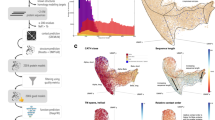
They then used protein design methods to generate sequences from those reduced alphabets, aiming to mimic folds associated with metabolism, redox chemistry, electron transfer, and ribosomal function. The resulting sequences were folded with prediction tools, and the predicted structures were compared against native proteins using a structural similarity metric.

Wide fold coverage from tiny alphabets

Despite the severe amino acid restrictions, the models produced proteins that matched a wide range of important fold types. That included folds linked to enzymes in the reverse tricarboxylic acid cycle, as well as proteins involved in electron transfer and other ancient biochemical tasks.

One especially notable case involved a ferredoxin-like protein. The authors report that a six-amino-acid alphabet — the five most abundant amino acids on Bennu plus cysteine, which could plausibly be supplied by atmospheric chemistry — could form a structure with a believable iron-sulfur binding arrangement.

Why this matters for origins research

The findings suggest that early life may not have needed a chemically rich starting toolkit to explore useful protein shapes. In other words, a sparse prebiotic alphabet may have been enough to access folds that later became central to metabolism and cellular organization.

That has implications well beyond origin-of-life theory. If limited amino acid sets can support useful structural diversity, similar design principles could inform synthetic biology and future therapeutic protein engineering, especially in situations where simplified chemistries are advantageous.

The study also highlights the growing role of computational protein design in origin-of-life research. Rather than asking only what ancient chemistry could produce, the work tests what kinds of biological form are possible when evolution begins with very constrained building blocks.

Data associated with the proteins analyzed in the paper have been made publicly available by the authors.

Novo Takes a Price Shot at Lilly With Higher-Dose Wegovy; Insmed Absorbs a Setback in Hidradenitis Suppurativa

0
Novo Takes a Price Shot at Lilly With Higher-Dose Wegovy; Insmed Absorbs a Setback in Hidradenitis Suppurativa source image 1
Source article image 2

Novo Nordisk has escalated the obesity-drug pricing fight with a new, higher-dose version of Wegovy that comes in below a key price point for Eli Lilly’s Zepbound. The move is another sign that the GLP-1 market is entering a more aggressive commercial phase, with manufacturers now competing not only on efficacy and convenience, but also on monthly out-of-pocket cost.

In a statement, Novo said the new product, Wegovy HD, will be available to cash-paying patients for $399 per month. That undercuts the $449 monthly cash price for Lilly’s three highest Zepbound doses. Novo appears to be betting that a stronger-weight-loss profile and a lower sticker price can help it claw back share in a U.S. obesity market where Lilly has built a dominant position.

According to the company, higher-dose Wegovy performed better in testing than the original version and produced results that were comparable to those seen with Zepbound. For a market that has been defined by demand constraints and affordability concerns, the new price point could matter as much as the clinical data.


Meanwhile, Insmed faced another clinical setback for brensocatib, the drug sold as Brinsupri for a chronic lung disorder. In a mid-stage study for hidradenitis suppurativa, a placebo outperformed both tested doses, prompting the company to stop developing the treatment in that indication.

The result marks the second disappointment for brensocatib in six months, following a previous miss in a nasal condition. Even so, several analysts argued the outcome was not a major surprise, noting that expectations for the skin-disease program were already muted. Insmed shares were largely steady, and some analysts continue to see substantial long-term value in the asset across its remaining opportunities.

The day also brought regulatory and partnership news elsewhere in biotech. The Department of Health and Human Services published a new charter that could broaden who gets selected for the Advisory Committee on Immunization Practices, while Biogen and Vertex announced separate deals centered on drug delivery and oligonucleotide development.

For peptide and adjacent modalities, the big-picture takeaway is clear: commercial execution, delivery technology, and platform breadth are becoming just as important as headline trial data. In obesity therapeutics especially, the market is now being shaped by both physiology and price.

Pinnacle Medicines raises $89M Series B to advance oral peptide pipeline

0
Pinnacle Medicines raises $89M Series B to advance oral peptide pipeline

Pinnacle Medicines, a company focused on oral peptide therapeutics, has closed an $89 million Series B financing round to support development of its pipeline.

The new investment brings the biotech’s total fundraising to $134 million. According to the company, the round drew support from investors based in both the United States and China, highlighting cross-border interest in peptide drug delivery approaches.

Oral peptides remain a challenging but attractive area for drug development because they aim to combine the biological specificity of peptides with the convenience of pill-based dosing. Funding of this size suggests continued confidence that advances in formulation and delivery can help move more peptide programs beyond injectable administration.

Pinnacle plans to use the capital to further build out its oral peptide platform and advance candidates through development.

AI generated illustration

AI-generated illustration

Could Menopause Hormone Therapy Amplify Tirzepatide Weight Loss? Mayo Clinic Study Suggests It Might

0
Could Menopause Hormone Therapy Amplify Tirzepatide Weight Loss? Mayo Clinic Study Suggests It Might source image 1

A new Mayo Clinic-led study suggests that menopausal hormone therapy may give tirzepatide an extra boost in postmenopausal women with overweight or obesity. In this observational analysis, women using both treatments lost about 35% more weight on average than women taking tirzepatide alone.

The findings matter because menopause is often linked with weight gain, shifts in body composition, and a higher risk of cardiometabolic disease. As estrogen levels decline, many women also face greater odds of developing type 2 diabetes and cardiovascular complications.

The research team reviewed outcomes from 120 adults who had taken tirzepatide for at least 12 months and compared people who were also using menopausal hormone therapy with those who were not. The two groups were designed to be similar at baseline, but the study was not randomized, so it cannot prove that hormone therapy directly caused the additional weight loss.

Even so, the signal was strong enough to draw attention. Researchers noted that the result fits with earlier hints from GLP-1-based medicines such as semaglutide, where hormone therapy has also been associated with greater weight loss in some studies. One possible explanation is that estrogen may help enhance appetite suppression or otherwise support metabolic responses to these drugs.

The authors also pointed out another possibility: women using hormone therapy may have had better sleep, fewer menopausal symptoms, or stronger adherence to diet and activity changes, all of which could improve weight-loss outcomes.

For now, the study should be viewed as an early step rather than a treatment recommendation. The next phase will require randomized clinical trials to test whether the combination truly outperforms tirzepatide alone and whether any added benefit extends beyond weight loss to blood sugar, lipids, and other cardiometabolic measures.

If confirmed, this line of research could help shape more personalized obesity treatment strategies for millions of women after menopause.

Peptide Delivery Strategy Brings Insulin Pills a Step Closer to Reality

0
Peptide Delivery Strategy Brings Insulin Pills a Step Closer to Reality source image 1

For decades, the idea of taking insulin as a pill has been one of diabetes research’s most persistent goals. The problem has always been the same: insulin is easily broken down in the digestive tract, and the intestine does not naturally absorb it into the bloodstream.

Now, researchers at Kumamoto University report a peptide-based workaround that may make oral insulin more feasible. Their approach uses a small cyclic peptide called DNP, which appears to help insulin move through the small intestine instead of being destroyed before it can act.

Two ways to carry insulin across the gut

The team tested two delivery strategies. In one, they mixed a modified peptide, D-DNP-V, with zinc-stabilized insulin hexamers. In diabetic mouse models, this oral formulation lowered blood glucose rapidly and kept it controlled with once-daily dosing over three days.

In the second strategy, the researchers used click chemistry to permanently attach the DNP peptide to insulin, creating a DNP-insulin conjugate. That version also produced strong glucose-lowering effects, supporting the idea that the peptide itself is doing the transport work across the intestinal barrier.

Lower doses may make oral insulin more realistic

One of the biggest barriers to oral insulin has been poor efficiency, which often forces developers to use extremely high doses. According to the study, the new platform achieved a pharmacological bioavailability of about 33% to 41% compared with subcutaneous injection. That is still not the same as an injection, but it is a major step toward practical oral dosing.

“Insulin injections remain a daily burden for many patients,” said Associate Professor Shingo Ito, who led the project. He added that the peptide platform may also be useful for long-acting insulin formulations and other injectable biologics.

What comes next

The work, published in Molecular Pharmaceutics, was performed in diabetic mice, so human use remains a future goal rather than a near-term reality. The researchers are now planning additional testing in larger animals and in systems that better mimic the human intestine.

Still, the study offers a compelling proof of concept: a small peptide may be able to solve one of medicine’s oldest drug-delivery problems and bring the long-promised insulin pill closer to patients.

What Happens After Patients Stop GLP-1 Drugs? Cleveland Clinic Study Sheds Light on Real-World Outcomes

0
What Happens After Patients Stop GLP-1 Drugs? Cleveland Clinic Study Sheds Light on Real-World Outcomes

GLP-1 medications have become some of the most closely watched drugs in modern metabolic medicine, but one question continues to matter for patients and clinicians alike: what happens when treatment stops?

A new Cleveland Clinic study is aiming to answer that in a real-world setting. Rather than focusing only on short-term response, the research looks at what occurs after patients discontinue GLP-1 therapy, a topic that is especially relevant given the chronic nature of obesity and related metabolic conditions.

The public discussion around GLP-1 drugs often centers on dramatic weight loss, improved blood sugar control, and reduced appetite. But stopping treatment can change the picture quickly. For many patients, the central issue is whether benefits persist after discontinuation or whether weight and metabolic markers begin to return toward baseline.

Real-world data are valuable because they can capture what happens outside tightly controlled trials. Patients may stop therapy for a variety of reasons, including side effects, cost, access issues, supply challenges, or the belief that they have reached their goal and no longer need medication. Those factors can shape outcomes just as much as the drug itself.

Studies like this one also help clinicians think more clearly about GLP-1 drugs as part of a longer-term treatment strategy. If discontinuation is commonly followed by regain or loss of benefit, that has implications for counseling, follow-up care, and expectations around maintenance therapy.

As interest in GLP-1 therapeutics continues to expand, research on discontinuation is becoming just as important as research on starting treatment. For patients, the key takeaway is that these medications may work best when viewed as part of an ongoing plan rather than a short-term fix.

The Cleveland Clinic report adds to a growing body of evidence suggesting that the end of GLP-1 therapy may not mean the end of the underlying disease process. More details from the study will likely help refine how clinicians discuss duration of use, maintenance, and what to expect if treatment is interrupted or stopped.

AI generated illustration

AI-generated illustration