Therapeutic peptides are becoming more important in drug development, but the way they are manufactured can come with a heavy environmental cost. Traditional peptide synthesis often depends on large amounts of solvent and uses more reagent than is strictly necessary, creating waste that clashes with the push for greener chemistry.
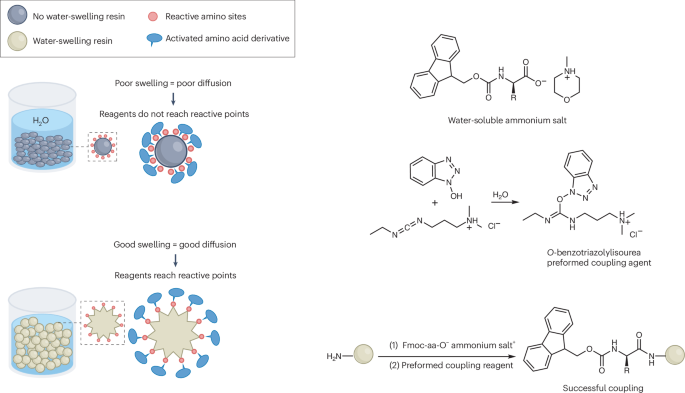
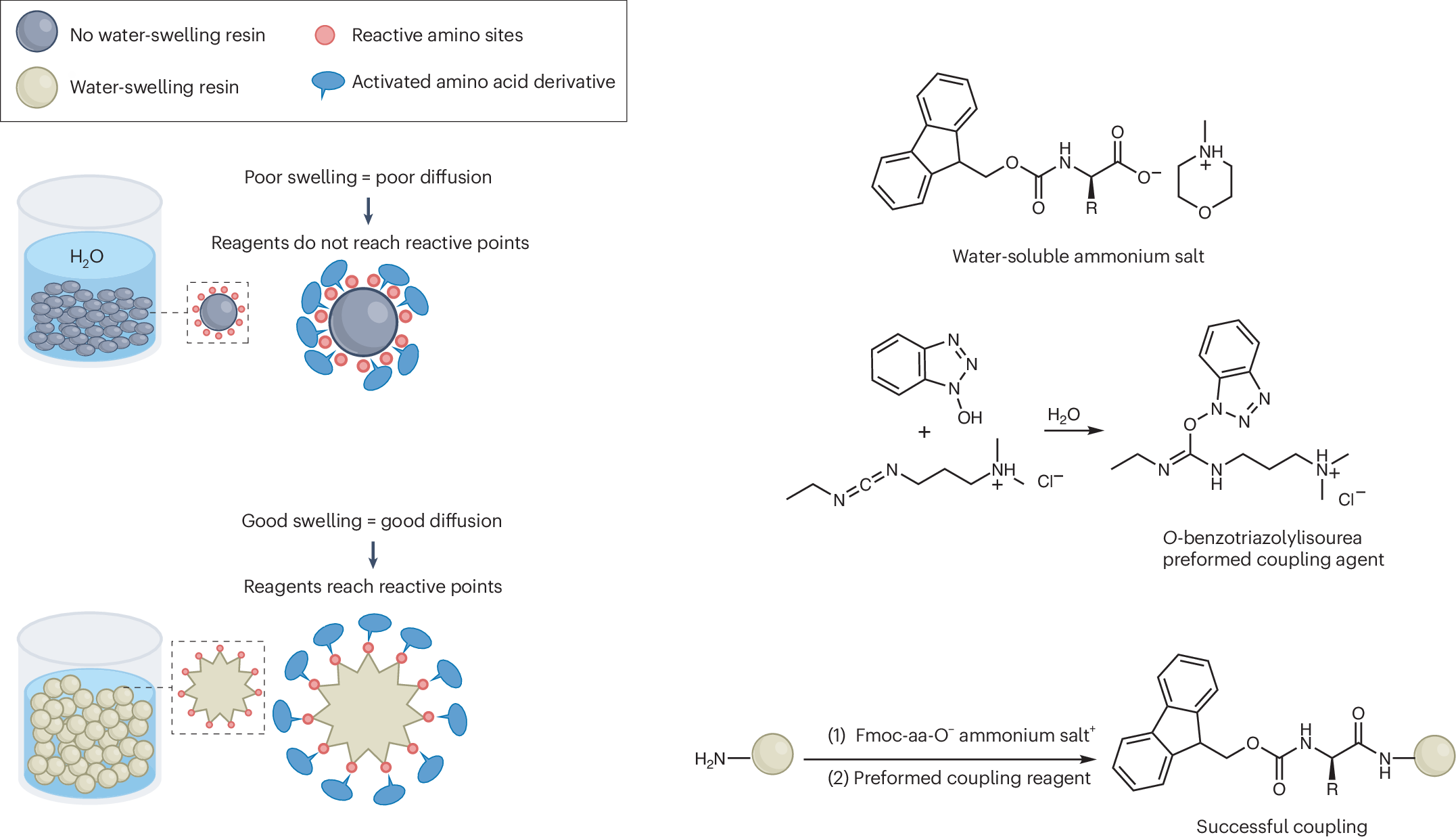
In a new report, researchers describe a water-based synthetic protocol designed to make peptide production more sustainable. The key idea is straightforward: replace solvent-intensive steps with a process that is better aligned with environmental goals, while still supporting the chemistry needed to build peptide chains efficiently.
That matters because peptide medicines are not a niche market anymore. As interest in peptide therapeutics continues to rise, so does the pressure to scale production in a way that is both practical and environmentally responsible. Lower solvent use could reduce the footprint of manufacturing, especially in workflows where solvents represent one of the largest contributors to waste.
The study adds to a growing body of work focused on greener peptide chemistry. Researchers in this area have been exploring ways to streamline synthesis, cut down on resource use, and move away from methods that are difficult to sustain at industrial scale. Water-based approaches are particularly appealing because they offer a route to reduce hazardous organic solvent consumption.
While the broader impact will depend on how well the method performs across different peptide sequences and production settings, the direction is clear: peptide synthesis is being rethought through the lens of sustainability. For a field tied closely to pharmaceuticals and manufacturing, that shift could be just as important as any improvement in yield or speed.
In short, greener peptide synthesis is no longer just a concept for the future. It is becoming an active area of innovation, with water emerging as an increasingly valuable tool in the chemist’s toolkit.