Gαs has long been treated as one of the core switches in GPCR signaling, helping carry signals from the cell surface to downstream effectors. It is also notable for being among the heterotrimeric G proteins most often altered in cancer. But a growing body of evidence has challenged the traditional view that Gαs signaling is confined to the plasma membrane.
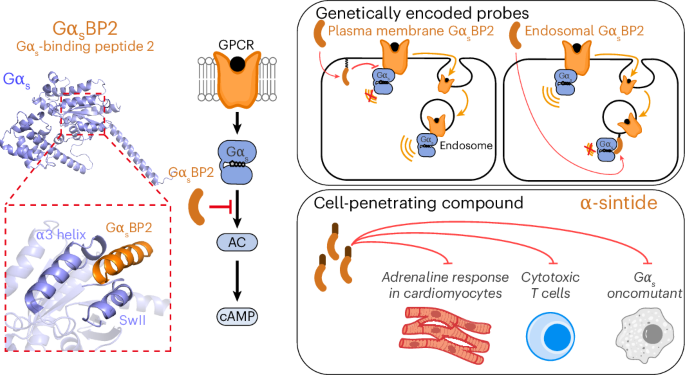
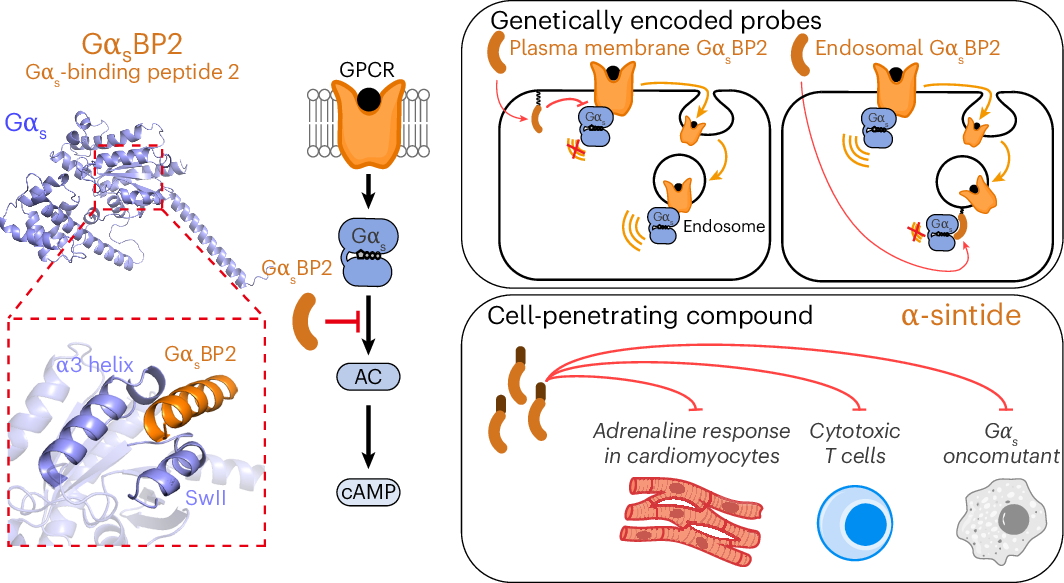
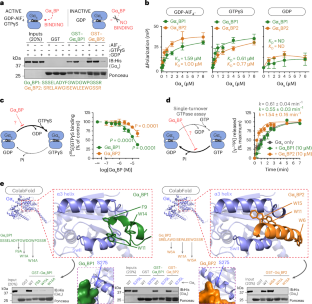
In a new study, researchers report a toolkit designed to interrupt active Gαs signaling with much greater spatial and temporal precision than older approaches allowed. The platform includes genetically encoded probes and cell-penetrating compounds that bind the effector-recognition region of activated Gαs, preventing signal transmission at chosen subcellular sites and at selected times.
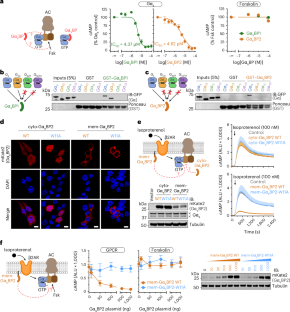
That precision matters because Gαs can be active in more than one cellular neighborhood. Using these new inhibitors, the team obtained direct evidence that Gαs-mediated signaling occurs on intracellular organelles, not just at the cell surface. The work also uncovered distinct timing and localization patterns in disease-linked Gαs variants, suggesting that oncogenic mutants may reshape signaling behavior in ways that were previously difficult to resolve.
The approach was also used to probe more physiologically relevant settings, including cardiac and immune cells, where tightly controlled Gαs signaling can influence important responses. By making it possible to block Gαs at specific locations and moments, the new tools should help researchers connect receptor activation to downstream biology with far more nuance.
Beyond basic signaling biology, the findings point to a broader therapeutic idea: if Gαs signaling can be modulated with this level of precision, it may be possible to target disease-relevant pathways without shutting down the entire system. For peptide and probe researchers, the study is a reminder that even classic signaling proteins still have hidden layers to uncover when the right molecular tools are available.