Home Blog Page 3

Peptide chemistry in 2025: from analogues to programmable molecular tools

0
Peptide chemistry in 2025: from analogues to programmable molecular tools source image 1
Source article image 2
Source article image 3

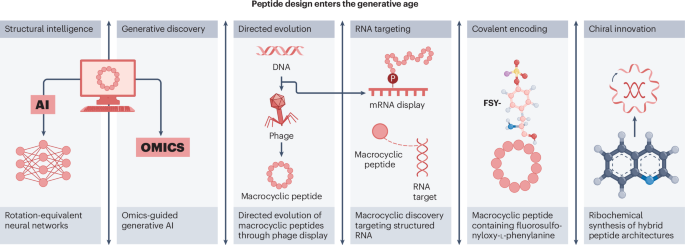
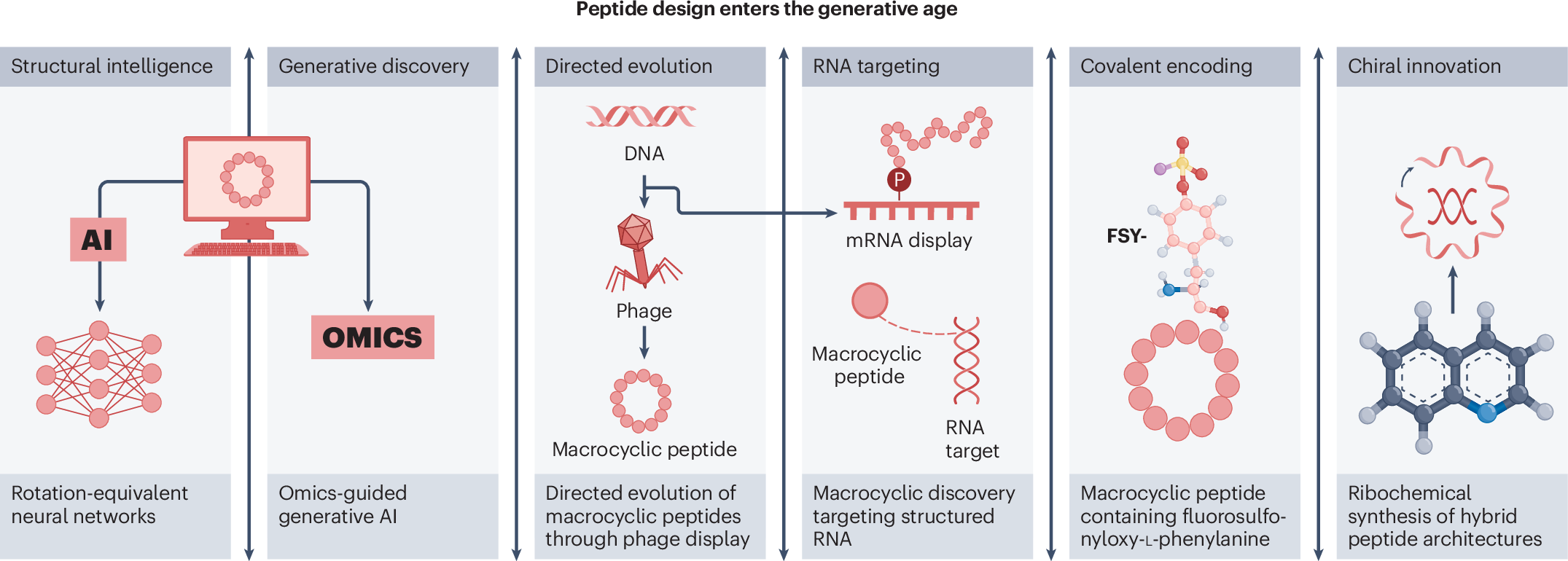
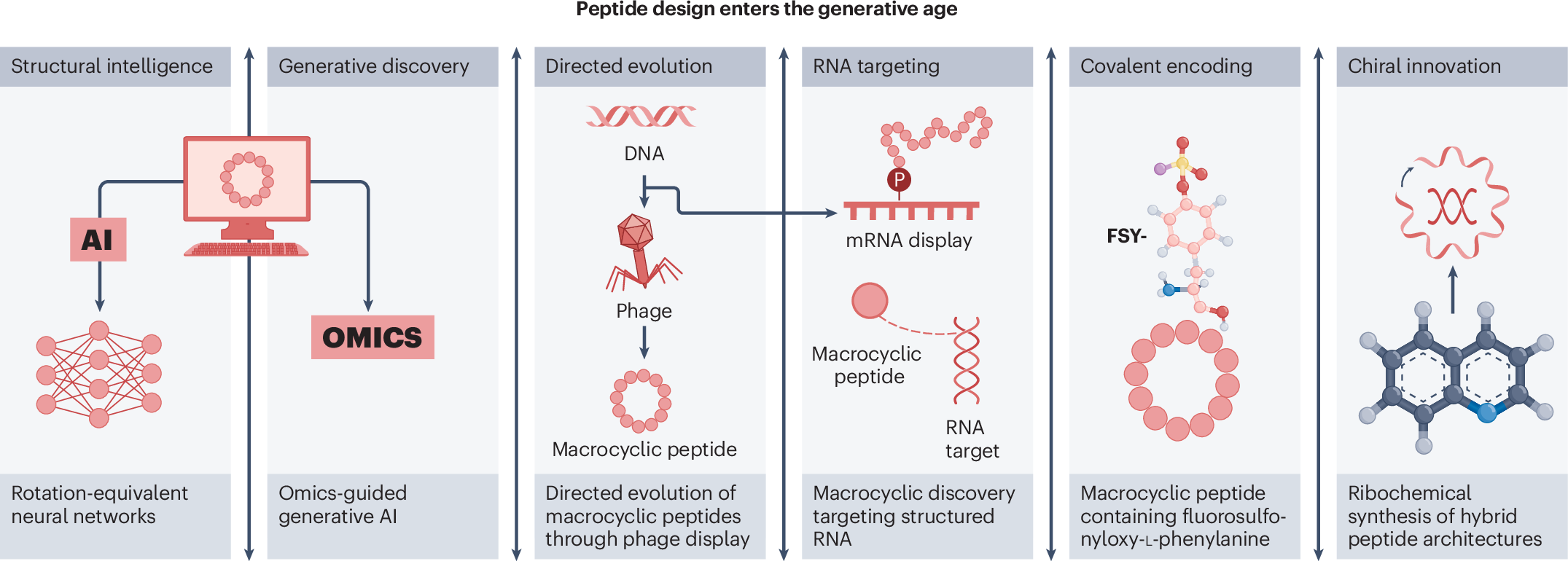
Peptide chemistry is entering a new phase. Instead of focusing mainly on making more analogues of known sequences, researchers are now combining synthesis, display technologies, and computational design to build peptides with increasingly precise functions.

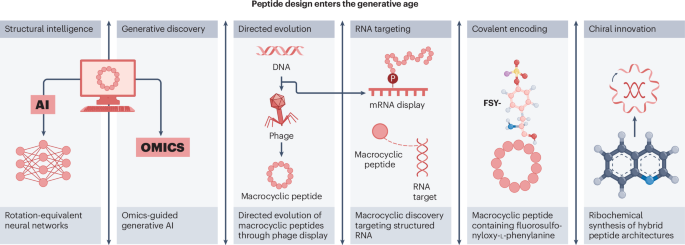
A recent review of the field points to a clear shift in 2025: peptides are being treated less like static chains of amino acids and more like programmable molecular systems. Artificial intelligence is helping researchers predict and optimize binders, while new synthetic methods are making it easier to explore macrocycles, constrained shapes, and covalent interactions.

Why this matters

Traditional peptide discovery often relied on screening large numbers of variants and then refining the best hits. That approach still matters, but recent progress suggests a broader toolkit is now available. By using deep learning and improved molecular modelling, scientists can design peptide structures with much higher structural specificity before they are ever synthesized.

This is especially important for targets that have been difficult to address with conventional small molecules or linear peptides. Macrocyclic architectures, for example, can improve binding affinity, selectivity, and resistance to degradation. They also create new possibilities for engaging challenging biomolecules such as proteins and structured RNA.

Examples from the 2025 literature

The studies highlighted alongside the review show how diverse the field has become:

  • Deep learning has been used to design high-affinity protein-binding macrocycles de novo.
  • Computational venom mining has been applied to antimicrobial discovery.
  • Macrocyclic phage display has been used to identify selective protease substrates.
  • mRNA display has enabled discovery of macrocyclic peptide binders, covalent modifiers, and degraders of structured RNA.
  • Ribosomal methods have incorporated unusual amino acids to create target-specific covalent binders.
  • Hybrid chemical and ribosomal synthesis has expanded access to atropisomeric and macrocyclic peptides with embedded quinoline motifs.

From binders to functional molecules

The broader message is that peptide research is no longer limited to finding molecules that simply stick to a target. The new goal is to engineer function. In practice, that means designing peptides that can bind, react, degrade, or otherwise modulate biological systems in a controlled way.

Macrocyclic and covalent frameworks are particularly valuable here because they add chemical constraints that improve performance and increase the range of possible mechanisms. When paired with AI-guided design, these frameworks can make peptide discovery faster, more selective, and more inventive.

The outlook

As synthesis and computation continue to merge, peptide chemistry is becoming more modular and predictive. The field appears to be moving toward a future in which peptide sequences are not just screened, but designed as tailored molecular devices for specific tasks in biology and medicine.

For peptide researchers, that shift is significant: the opportunity is no longer only to accumulate analogues, but to build entirely new classes of functional peptide architectures.
A peptide nanoparticle that turns osteoclasts into a bone-building signal

0
A peptide nanoparticle that turns osteoclasts into a bone-building signal source image 1
Source article image 2
Source article image 3
Source article image 4
Source article image 5

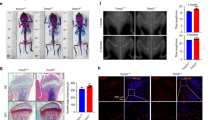
Osteoporosis treatments have long faced a difficult tradeoff: shutting down too much bone resorption can protect against bone loss, but broad inhibition of osteoclasts can also interfere with normal remodeling and raise the risk of complications. A new study points to a more selective approach built around a peptide-based self-assembling nanoparticle called OsteoSAVE.

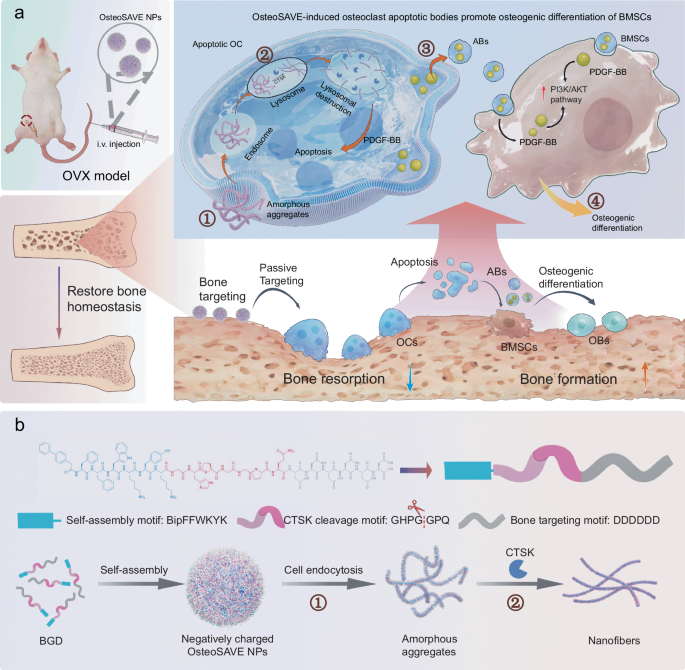
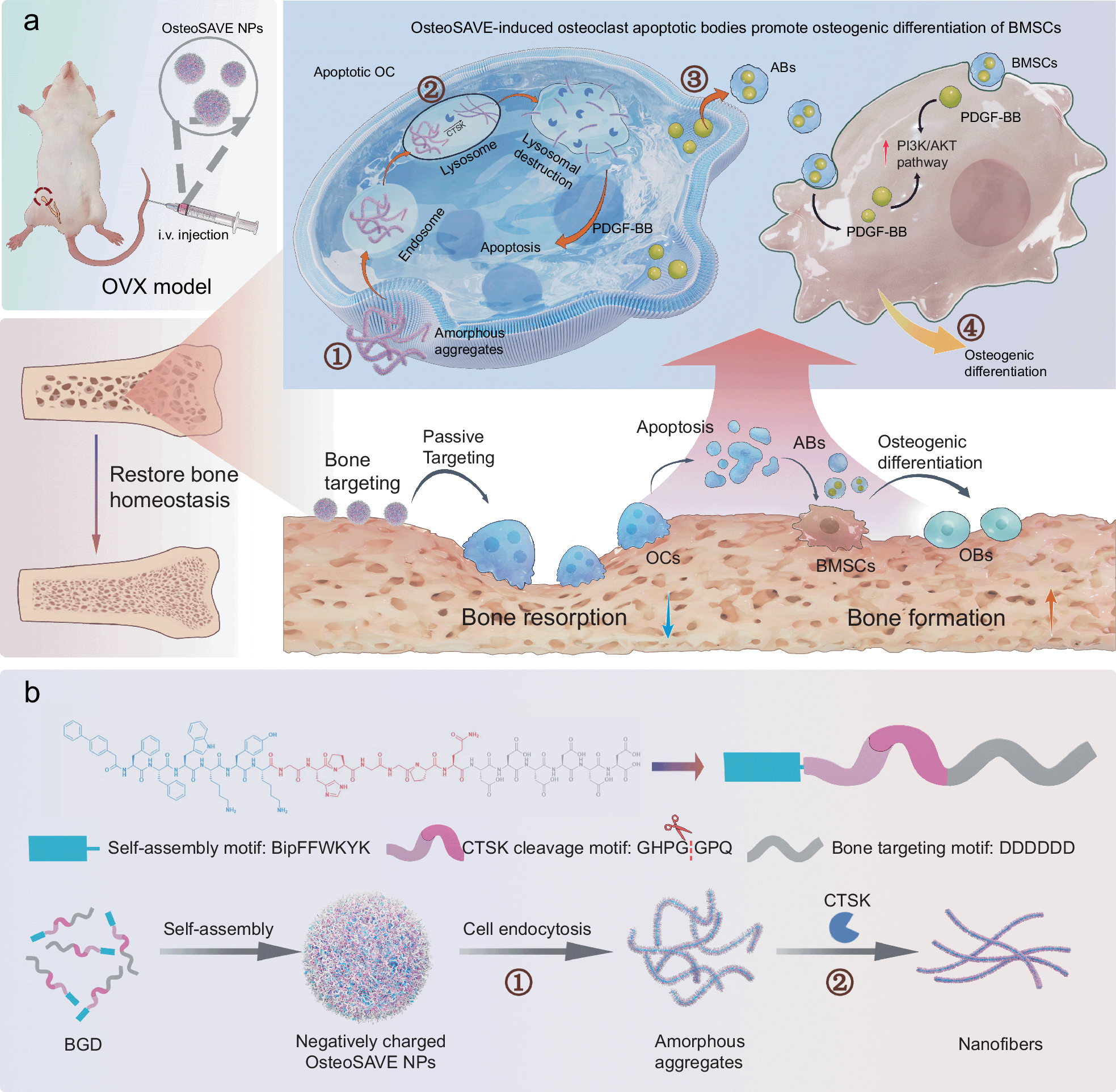
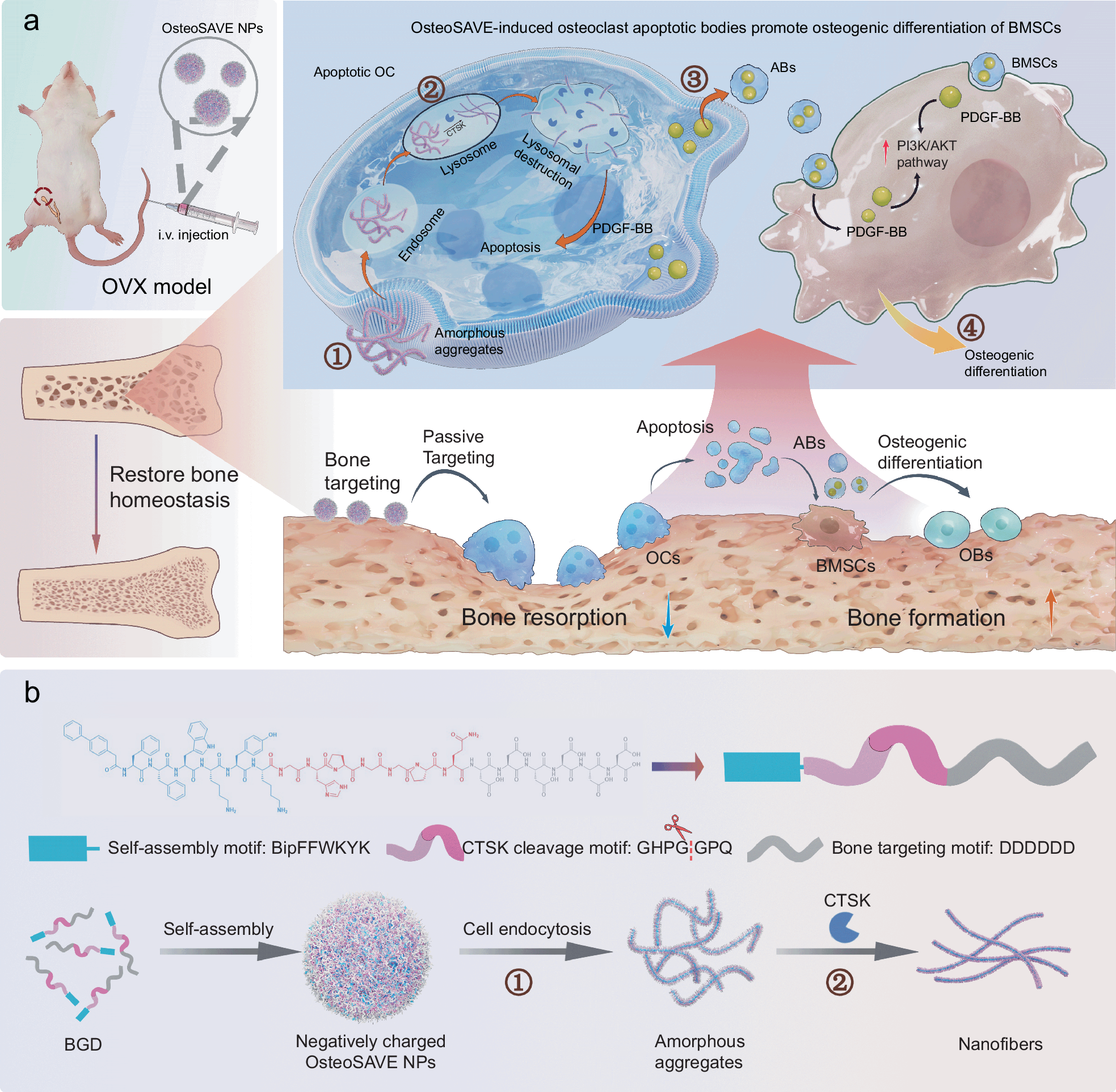
The system is designed to home in on bone and respond to cathepsin K (CTSK), an enzyme highly active in mature osteoclasts. Once OsteoSAVE is taken up into these cells, CTSK cleaves a linker in the construct and drives a structural shift into nanofibers inside lysosomes. That transformation appears to trigger apoptosis in the mature osteoclasts rather than broadly suppressing bone-resorbing cells across the board.
The interesting twist is what happens next. As the targeted osteoclasts die, they release apoptotic bodies enriched with PDGF-BB. In the study, these vesicle-like fragments helped push mesenchymal stem cells toward osteogenic activity, supporting bone regeneration through activation of the PI3K/AKT pathway.

In ovariectomized mice, a commonly used model of postmenopausal bone loss, OsteoSAVE improved bone density and shifted the balance of bone homeostasis in a favorable direction. The result is a dual-action concept: remove pathologically active osteoclasts while simultaneously generating pro-regenerative signals from their apoptotic remnants.
From a peptide and materials perspective, the design is notable for combining three functions in one platform: a bone-targeting element, an enzyme-responsive cleavage site, and a self-assembling core. That combination is what gives the nanoparticle its selectivity and its in situ remodeling effect.
If translated further, this strategy could represent a new direction for osteoporosis therapy: not just blocking bone breakdown, but using disease-associated biology to trigger a constructive response in the bone microenvironment.

How peptide chemistry is moving beyond simple analogue libraries

0
How peptide chemistry is moving beyond simple analogue libraries source image 1
Source article image 2

Peptide research in 2025 is increasingly defined by integration rather than isolation. Instead of relying only on stepwise analogue generation, the field is now blending synthetic chemistry with computational design to create molecules that are more selective, more structurally elaborate, and more useful as functional tools.

That shift matters because peptides have long sat at an interesting intersection: they can be built with the precision of chemistry, yet they can still behave like biologically active molecules with rich recognition properties. In the newest wave of work, researchers are pushing peptides into new territory by treating them as programmable molecular platforms rather than simply optimized versions of known sequences.

AI is changing the design process

One of the clearest developments is the growing role of artificial intelligence in peptide discovery. Deep-learning approaches are now helping researchers propose macrocycles with strong binding properties, reducing the dependence on purely trial-and-error screening. This does not replace chemistry; instead, it makes chemical synthesis more targeted and efficient.

Computational methods are also being used to search unusual biological sources for peptide leads, including venom-derived molecules with antimicrobial potential. By expanding the search space beyond conventional libraries, these tools can uncover candidates that would be difficult to find through standard workflows.

Macrocycles are becoming more versatile

Macrocyclic peptides continue to stand out as a major design format because their constrained shapes can improve potency, selectivity, and stability. Recent studies point to increasingly sophisticated ways to discover and optimize these molecules, including display-based platforms and de novo design strategies.

New methods are also making macrocycles useful for a wider range of targets. Instead of focusing only on protein binding, researchers are now reporting macrocyclic peptides that can interact with enzymes, structured RNA, and other challenging biological surfaces.

Covalent chemistry is expanding the toolkit

Another important trend is the rise of target-specific covalent binders. By introducing reactive functionality into peptide scaffolds, scientists can create molecules that not only recognize a target but also form a durable chemical link with it. This can strengthen engagement and open the door to new therapeutic and probe applications.

Several 2025 studies illustrate this direction, including work on ribosomally incorporated noncanonical residues and on peptides designed to modify structured RNA. These projects show that covalent reactivity can be engineered into peptides with increasing precision.

Why this moment is different

The bigger story is that peptide chemistry is no longer advancing mainly by adding more analogues to a growing list. The field is becoming more integrated, predictive, and creative, combining:

  • machine learning for sequence and structure design
  • display technologies for discovery and selection
  • noncanonical building blocks for new functionality
  • macrocyclic and atropisomeric frameworks for structural control
  • covalent mechanisms for durable target engagement

Taken together, these advances suggest that peptides are evolving from biologically inspired fragments into customizable molecular systems. For researchers, that means a broader design space. For drug discovery, it means more routes to difficult targets. And for the field as a whole, it marks a move from accumulation to architectural innovation.

Retro-inversion boosts antimycobacterial host-defense peptides

0
Retro-inversion boosts antimycobacterial host-defense peptides source image 1
Source article image 2
Source article image 3
Source article image 4

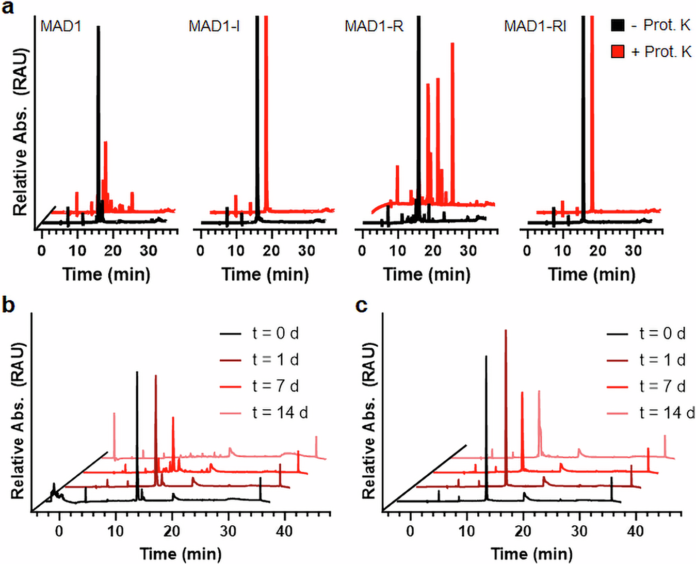
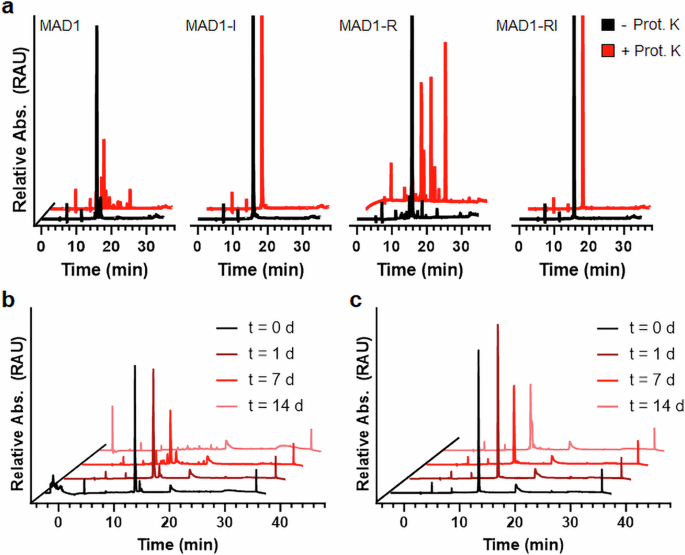
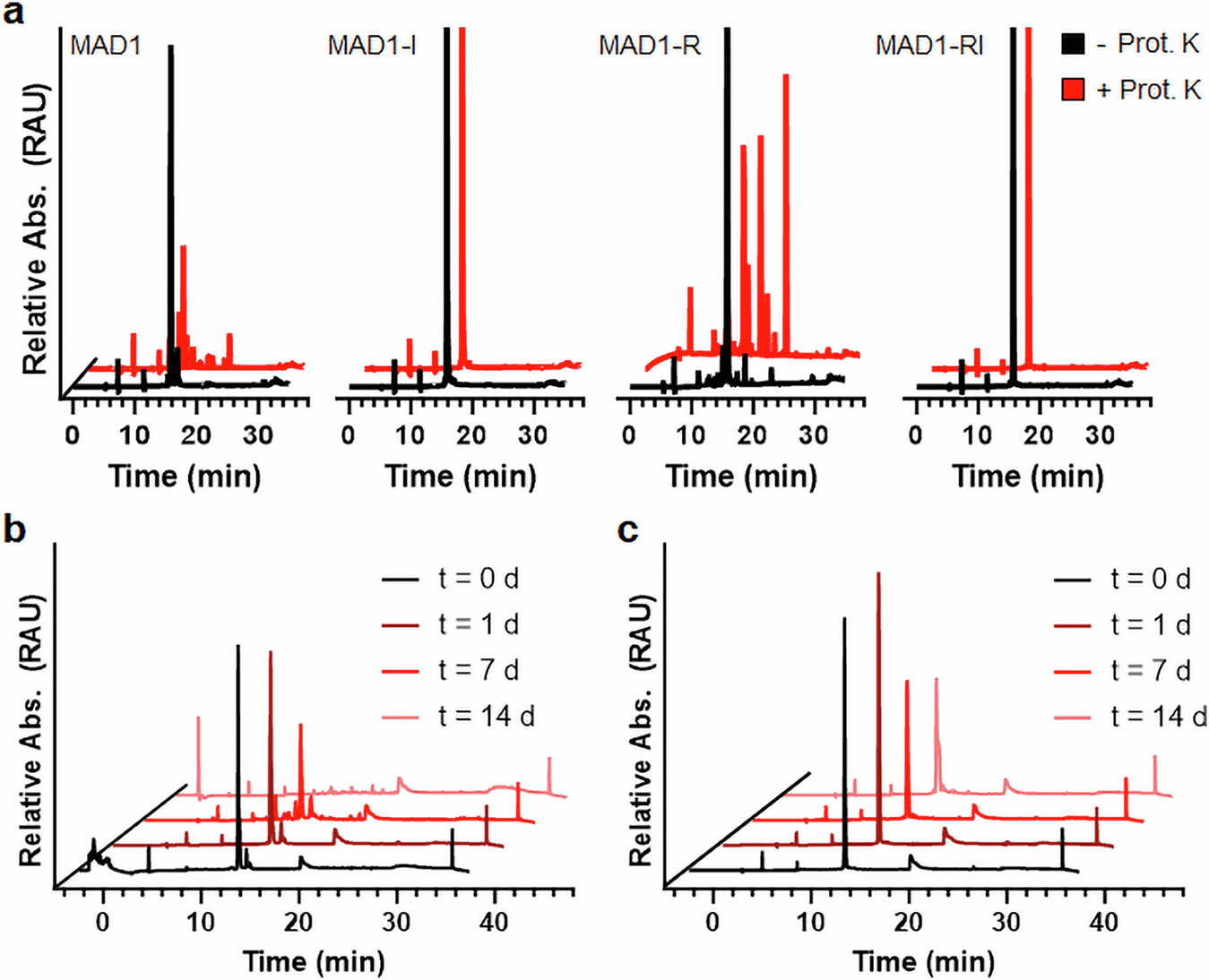
Host-defense peptides have long been viewed as attractive antibiotic candidates because they attack microbes in ways that differ from classic small-molecule drugs. Their main weakness is stability: natural peptides are quickly broken down by proteases, so researchers often turn to retro-inversion, a design strategy that flips both the peptide backbone direction and amino acid chirality.

That approach usually improves durability, but it can also reduce activity by changing folding and self-assembly. In a new report, researchers show that the opposite can happen for antimycobacterial peptides. For peptides aimed at mycobacteria, retro-inversion increased potency and improved selectivity without broadly increasing toxicity toward non-target species.

The strongest example in the study was a retro-inverted version of a lead peptide called MAD1, named MAD1-RI. In laboratory tests, it rapidly sterilized replicating Mycobacterium tuberculosis cultures, worked against drug-resistant clinical isolates, and boosted the effect of co-administered TB antibiotics. The authors also found signs that the mechanism was not simply about protease resistance; instead, the altered peptide architecture appeared to change how it interacted with the mycobacterial membrane.

Transcriptomic and biophysical analyses supported a model in which MAD1-RI triggers membrane stress along with downstream metabolic disruption. Taken together, the findings suggest retro-inversion may be a useful, and somewhat unexpected, design tool for building non-natural peptides with stronger antimycobacterial activity.

The work is especially notable given the growing need for new treatments against both tuberculosis and non-tuberculous mycobacterial infections, including strains with broad drug resistance. If these results translate beyond the lab, retro-inverted peptides could become a promising new class of targeted anti-mycobacterial agents.

Enzyme-Triggered Nanoparticles Restore Bone Balance by Killing Osteoclasts and Releasing Regenerative Vesicles

0
Enzyme-Triggered Nanoparticles Restore Bone Balance by Killing Osteoclasts and Releasing Regenerative Vesicles source image 1
Source article image 2
Source article image 3
Source article image 4
Source article image 5

Osteoporosis treatments often face a difficult tradeoff: suppress too much osteoclast activity and normal bone remodeling suffers, but suppress too little and bone loss continues. A new study describes a peptide-based nanoparticle designed to break that stalemate by selectively acting on mature osteoclasts while preserving broader bone turnover.

The system, called OsteoSAVE, combines three functions in one construct: a bone-targeting motif, a cathepsin K-sensitive linker, and a self-assembling core that changes shape after enzyme cleavage. Cathepsin K is highly active in mature osteoclasts, making it a useful biological trigger for distinguishing these cells from earlier precursors.

Once OsteoSAVE is taken up by osteoclast lysosomes, cathepsin K cuts the linker and the particles reorganize into nanofibers. That transformation helps push the mature osteoclasts into apoptosis, and the dying cells release apoptotic bodies enriched with factors such as PDGF-BB. Rather than being just cellular debris, these vesicle-like bodies appear to carry regenerative signals.

In cell and mouse experiments, the resulting apoptotic bodies promoted osteogenic behavior in mesenchymal stem cells and helped restore bone density in an ovariectomized osteoporosis model. The study links this effect to PI3K/AKT signaling, suggesting a pathway through which the osteoclast-derived bodies encourage bone formation.

The approach is notable because it does more than simply block resorption. It aims to remove pathological osteoclasts with precision while simultaneously turning that cell death into a source of pro-bone signals. If translated successfully, this kind of enzyme-responsive supramolecular therapy could point toward a more balanced way to treat osteoporosis.

As a platform, OsteoSAVE highlights an emerging idea in peptide and nanomedicine research: use disease-specific enzymes not only as biomarkers, but as switches that activate therapy exactly where it is needed.

Stepped Collision Energy Reduces Bias in Protein Acylation MS Identification

0
Stepped Collision Energy Reduces Bias in Protein Acylation MS Identification source image 1
Source article image 2
Source article image 3
Source article image 4
Source article image 5

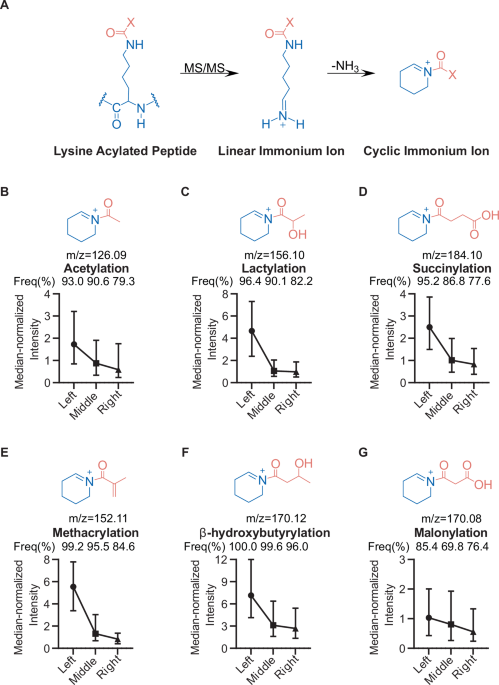
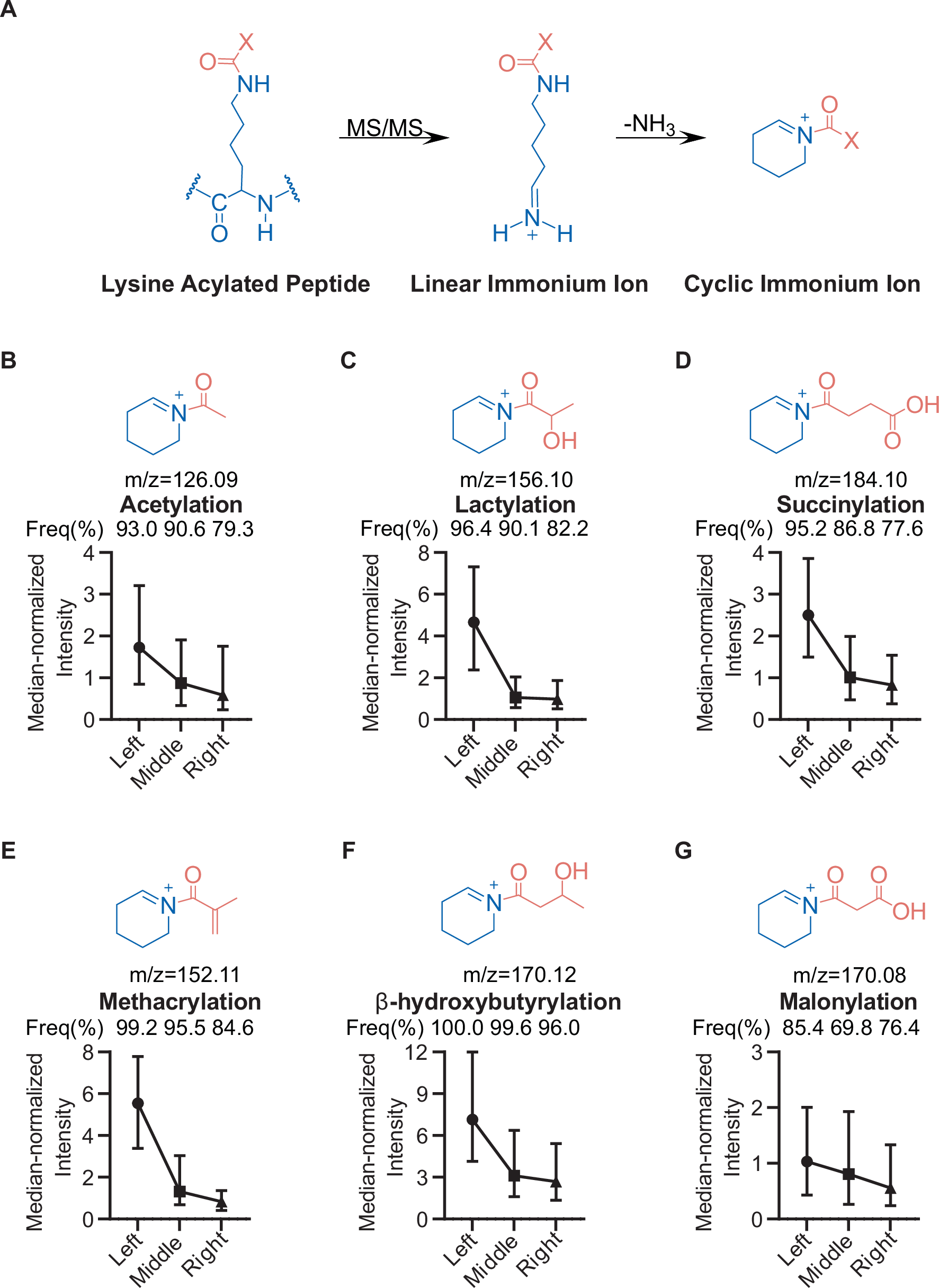
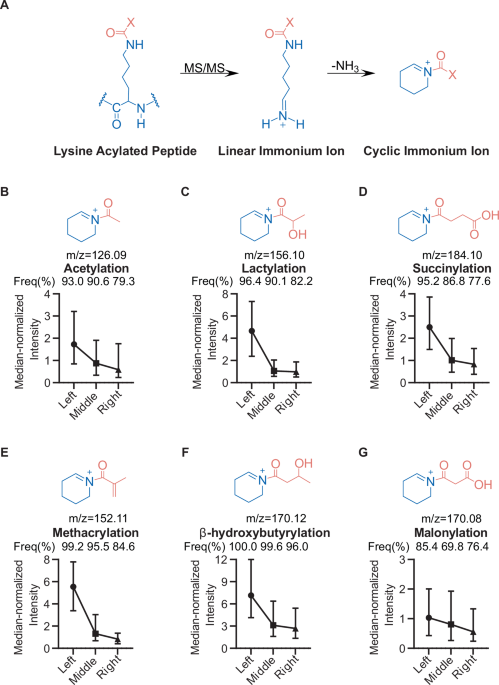
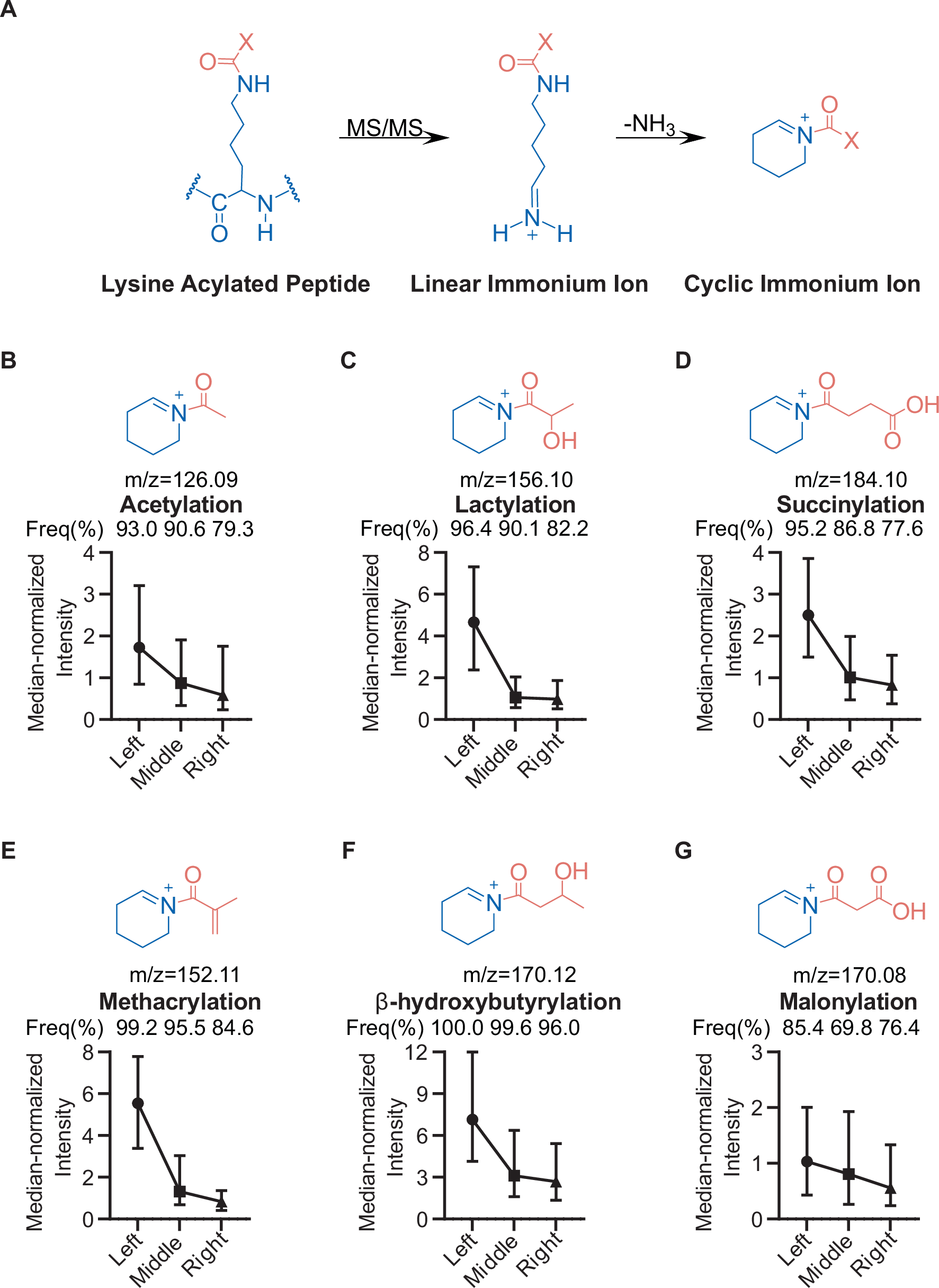
Mass spectrometry remains one of the most powerful tools for mapping protein lysine acylations, but confident site assignment still depends on getting the right diagnostic signals from peptide fragmentation. In a new study, researchers examined one of the most useful markers for acylated lysine: cyclic immonium ions.

The team found that these ions are not produced uniformly across a peptide. Instead, there is a clear positional bias: acylated lysine residues near the N-terminus of a tryptic peptide are much more likely to generate the diagnostic signal. To probe the effect more directly, the researchers used alternative digestion strategies and isotope-labeled synthetic peptides, supporting the idea that the behavior is tied to how b-type fragments break down during collision-induced dissociation.

That insight led to a practical solution. By using stepped higher-energy collision dissociation, the authors improved peptide sequence coverage and boosted cyclic immonium ion detection to nearly complete levels. The result is a faster and more reliable workflow for identifying protein acylations, with higher confidence in both detection and localization.

For proteomics labs studying acetylation, succinylation, crotonylation, and related modifications, the work offers both a mechanistic explanation and an acquisition strategy that could strengthen acylome profiling across complex samples.

Retro-inversion Boosts Antimycobacterial Peptides in a Surprising Way

0
Retro-inversion Boosts Antimycobacterial Peptides in a Surprising Way source image 1
Source article image 2
Source article image 3
Source article image 4
Source article image 5

Host defense peptides have long been viewed as promising antibiotic alternatives, especially against pathogens that have already learned to outmaneuver many small-molecule drugs. But these peptides come with a familiar problem: they are often fragile in the body and can be rapidly broken down by proteases.

A common fix is retro-inversion, a design strategy that flips both the peptide backbone direction and the amino acid chirality. The goal is to preserve the overall side-chain arrangement while making the molecule harder to degrade. For many bacteria, however, this approach has been a mixed bag, because the structural changes can also reduce biological activity.

This new study turns that assumption on its head for mycobacteria. The researchers found that retro-inverted versions of antimycobacterial host defense peptides were not merely more stable, but in many cases substantially more potent, more selective, and safer for host cells. In some comparisons, activity improved by more than tenfold.

The standout candidate, called MAD1-RI, showed especially strong performance. It rapidly sterilized replicating Mycobacterium tuberculosis cultures, worked against drug-resistant clinical isolates, and boosted the effects of co-administered tuberculosis antibiotics.

Mechanistic experiments pointed to an unexpected explanation. The gains in activity did not appear to come mainly from improved resistance to proteolysis. Instead, the retro-inverted peptides seemed to alter the physical behavior of the mycobacterial membrane, changing membrane thermodynamics in a way that made the cells more vulnerable.

Transcriptomic analyses also suggested that MAD1-RI attacks mycobacteria through a combination of membrane disruption and metabolic stress. Taken together, the findings suggest that retro-inversion may be more than a stability trick: for antimycobacterial peptide design, it could be a powerful way to unlock selectivity and potency.

Because tuberculosis and non-tuberculous mycobacterial infections continue to rise, including in drug-resistant forms, the study adds a timely tool to the peptide antibiotic toolkit. It also highlights an important reminder for peptide engineering: a modification that weakens activity in one pathogen may enhance it in another.

Stepped Collision Energy Removes a Key Bias in Lysine Acylation Detection

0
Stepped Collision Energy Removes a Key Bias in Lysine Acylation Detection source image 1
Source article image 2
Source article image 3
Source article image 4
Source article image 5

Mass spectrometry has become one of the most important tools for mapping protein lysine acylation, but confident site localization still depends on getting the right fragment ions in the spectrum. A new study highlights an overlooked complication: the diagnostic cyclic immonium ions used to flag lysine acylations are not generated evenly across peptide positions.

The researchers found a strong positional bias. When the modified lysine appears closer to the N-terminus of a tryptic peptide, cyclic immonium ions are much more likely to form. That means the same modification can be easier to detect in one peptide context than another, creating an uneven view of the acylome.

To probe the cause, the team combined LysargiNase digestion with isotope-labeled synthetic peptides. Their results point to the instability of b-type fragment ions during collision-induced dissociation as a major driver of the effect. In other words, the way a peptide breaks apart during MS/MS can favor diagnostic ion formation depending on where the modified residue sits in the sequence.

The practical payoff is a better acquisition strategy. By using stepped higher-energy collision dissociation, the authors report improved sequence coverage and very robust cyclic immonium ion detection, approaching 99% in their workflow. That translates into faster, deeper, and more reliable identification of protein acylation sites.

For proteomics labs studying acetylation, succinylation, crotonylation, lactylation, and related lysine modifications, the message is clear: fragmenting peptides at a single fixed energy may leave blind spots. A stepped-energy approach can help balance the detection of diagnostic ions across different peptide contexts and improve confidence in PTM calls.

Beyond the technical advance, the study also sheds light on a basic question in tandem mass spectrometry: why some diagnostic ions appear readily while others do not. By clarifying how cyclic immonium ions form, the work gives researchers a more dependable route to acylation analysis and a better framework for interpreting spectra.

Five peptide-binding proteins give Pseudomonas aeruginosa a broader nutrient toolkit

0
Five peptide-binding proteins give Pseudomonas aeruginosa a broader nutrient toolkit source image 1
Source article image 2
Source article image 3
Source article image 4
Source article image 5

Pseudomonas aeruginosa is known for thriving in tough environments and for resisting many antibiotics, which makes it a major concern in healthcare settings. One reason for its adaptability is its ability to scavenge nutrients efficiently, including small peptides released during protein breakdown.

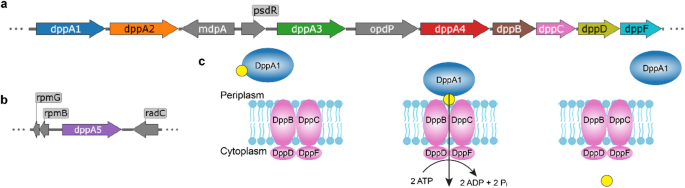
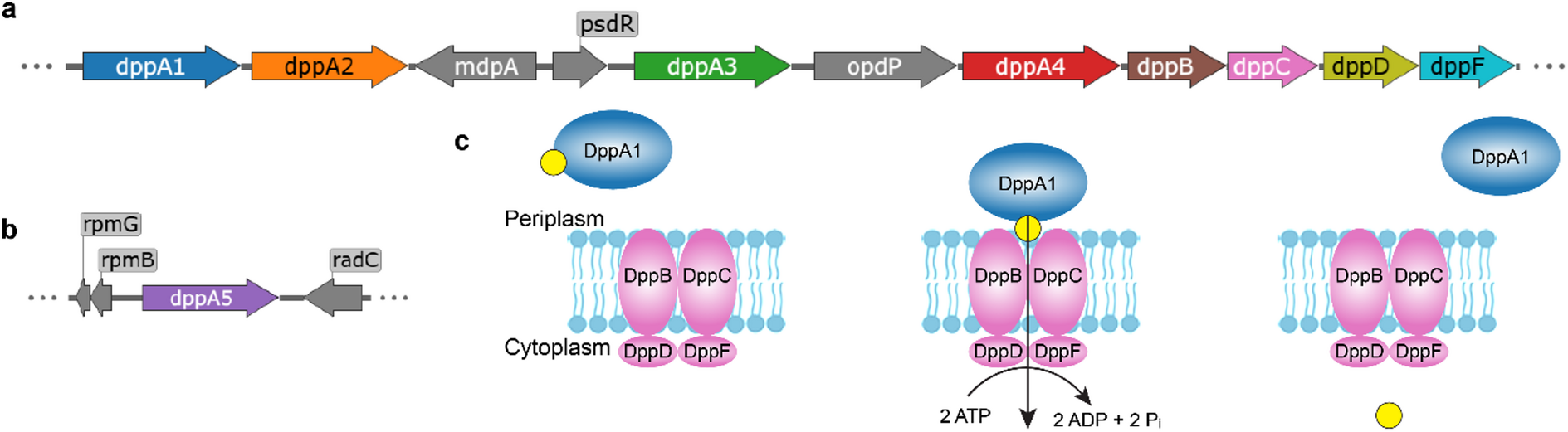
A new study takes a closer look at the bacterium’s dipeptide permease, or Dpp, a peptide transport system that moves short peptides into the cell. Unlike many bacteria that rely on a single peptide-binding protein for this task, P. aeruginosa carries five related DppA proteins. Until now, it was not clear why the organism kept so many versions of what seemed like the same component.

To answer that question, the researchers tested all five DppA proteins against a large panel of 281 dipeptides and tripeptides using Differential Scanning Fluorimetry, a method that can reveal when a ligand stabilizes a protein. The results show that the paralogs are not redundant.

Two of the proteins, DppA1 and DppA3, were found to prefer dipeptides, while DppA2 and DppA4 showed stronger binding to tripeptides. DppA5, however, did not show detectable binding in the assay, hinting that it may have diverged into a different role or requires conditions not captured in the screen.

The findings suggest that the multiple DppA proteins broaden the range of peptide substrates that P. aeruginosa can capture from its surroundings. That could give the pathogen an edge in nutrient-poor or competitive environments, and it may also matter for processes beyond feeding, since peptide-binding systems in bacteria can participate in signaling, chemotaxis, and biofilm-related behavior.

More broadly, the work reinforces a growing idea in microbiology: proteins that look similar on paper may have very different functions in practice. In a pathogen as adaptable as P. aeruginosa, that specialization could help explain both its environmental resilience and its clinical success.

The study also points to possible long-term applications. Because peptide transport systems can be exploited for drug entry, understanding DppA specificity may help inform future Trojan Horse antimicrobial strategies that use peptide-like carriers to smuggle drugs into bacterial cells.

A Faster, Additive-Free Route to Native Chemical Ligation Using VTT-Activated Thioacids

0
A Faster, Additive-Free Route to Native Chemical Ligation Using VTT-Activated Thioacids source image 1
Source article image 2
Source article image 3
Source article image 4

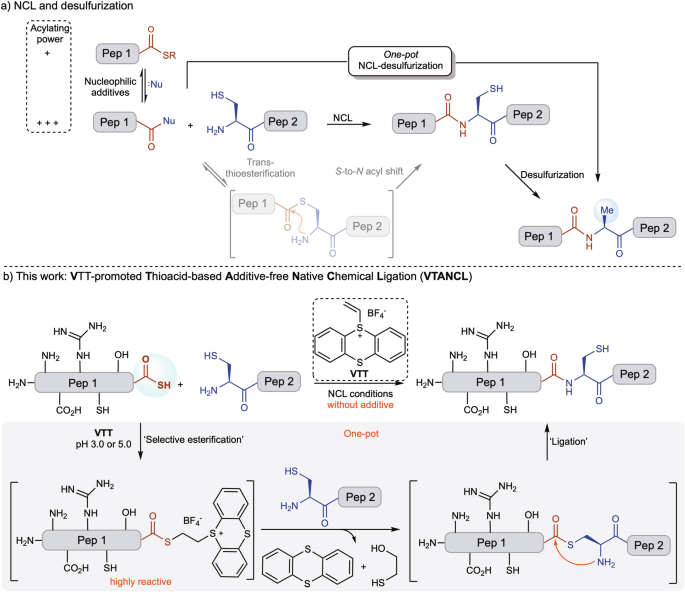
Native chemical ligation (NCL) remains one of the most important tools in chemical protein synthesis, but it has long come with a practical tradeoff: peptide thioesters can be sluggish, so chemists often rely on large amounts of thiol or other nucleophilic additives to keep the reaction moving. Those additives can complicate downstream steps, especially when a one-pot ligation/desulfurization sequence is desired.

In a new study, researchers describe a way around that bottleneck. They show that vinyl thianthrenium tetrafluoroborate (VTT) can rapidly and selectively activate fully unprotected peptide thioacids, converting them into highly reactive thioester intermediates. The result is a fast, additive-free ligation with N-terminal cysteinyl peptides and no detectable epimerization under the reported conditions.

That matters because the classic NCL workflow often depends on excess nucleophilic additives such as MPAA to achieve practical reaction rates. While effective, those additives can interfere with radical-based metal-free desulfurization, forcing researchers to remove them before moving on. By eliminating the additive requirement at the ligation stage, the VTT method is designed to better fit streamlined one-pot protein synthesis.

The authors also report that the strategy is compatible with post-ligation desulfurization, enabling a more efficient sequence in a single vessel. In their demonstrations, they used the method to assemble hyalomin-3 from two fragments through a one-pot thioesterification-ligation-desulfurization process. They also applied it to ubiquitin using a one-pot three-segment condensation workflow, completing the synthesis in six steps without isolating intermediates.

Beyond the specific examples, the broader appeal is clear: faster ligation, fewer additives, less handling, and improved compatibility with one-pot protein assembly. For chemical protein synthesis, especially projects that depend on desulfurization or multisegment assembly, methods like this can reduce complexity while preserving the chemoselectivity that makes NCL so valuable.

As CPS continues to expand into the preparation of proteins with nonstandard amino acids, probes, and tailored modifications, practical improvements to ligation chemistry remain highly relevant. VTT-promoted thioacid ligation adds another useful option to the toolkit, particularly for researchers looking to simplify native chemical ligation workflows without sacrificing efficiency.