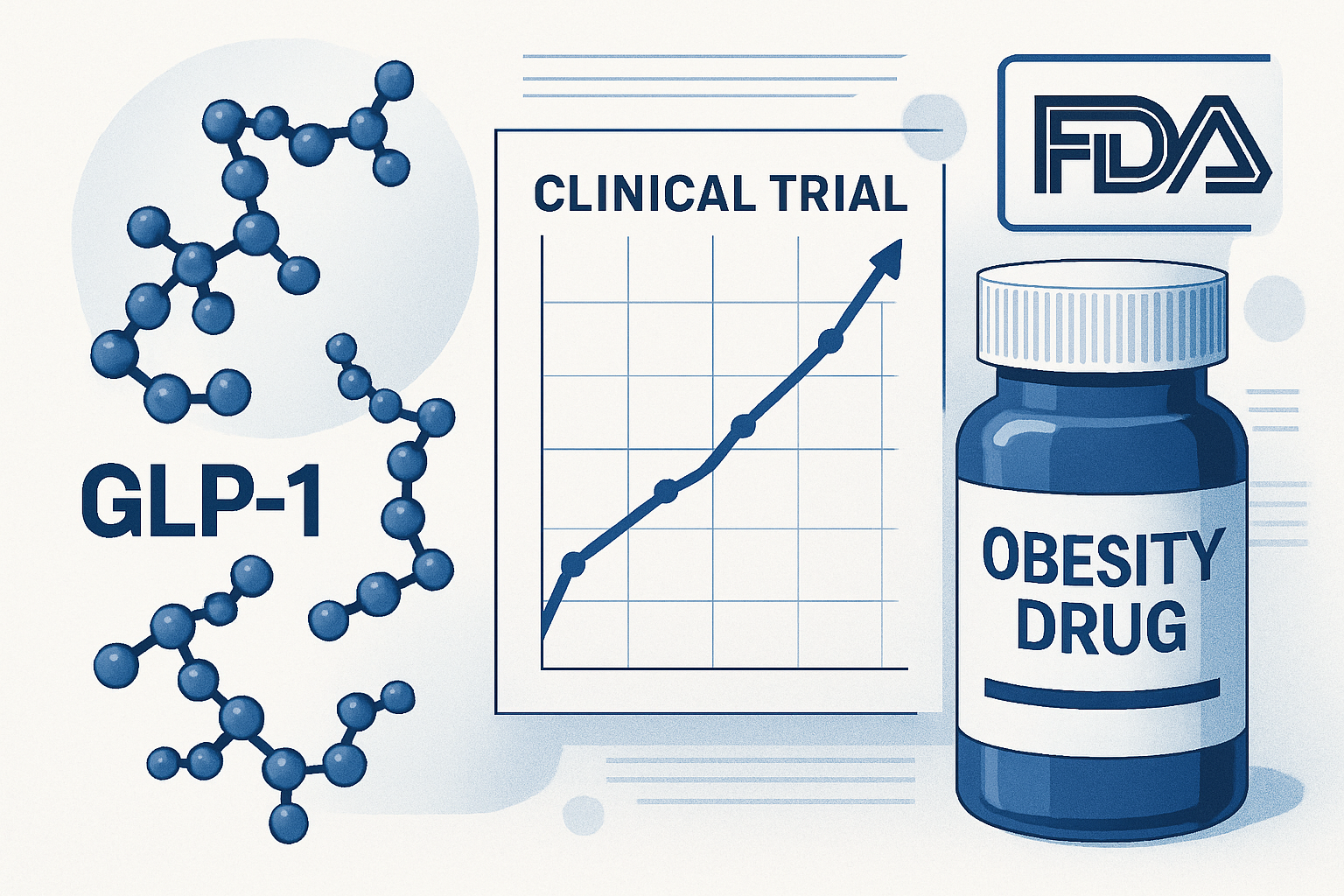
The obesity-drug market stayed firmly in focus this week, with fresh clinical readouts and regulatory headlines underscoring just how competitive — and scrutinized — the field has become.
Structure Therapeutics posts encouraging Phase 2 data
Structure Therapeutics drew attention after reporting that its investigational oral GLP-1 candidate produced meaningful weight loss in a Phase 2 study. Analysts described the profile as competitive versus other oral incretin programs, including candidates being developed by Eli Lilly and Novo Nordisk.
According to investor commentary cited in the market, the drug delivered 16.3% weight reduction after 44 weeks, a result that strengthens the case for oral peptide-inspired therapies as a major battleground in obesity treatment.
Rhythm falls short in genetically driven obesity trial
Not every obesity program had a strong week. Rhythm Pharmaceuticals announced that Imcivree did not meet expectations in a Phase 3 basket trial designed to evaluate several forms of genetically linked obesity. The setback is a reminder that rare-disease and precision-obesity programs can be highly sensitive to trial design and patient selection.
Lilly warns on compounded tirzepatide
Outside the clinic, Eli Lilly issued a public warning about the possible safety risks associated with compounded tirzepatide products. The company markets tirzepatide as Zepbound for obesity and Mounjaro for type 2 diabetes, and the warning adds to an ongoing debate over the quality and oversight of compounded versions of popular GLP-1 and dual-agonist medicines.
Novo Nordisk receives FDA warning letter
Novo Nordisk is also dealing with regulatory pressure after the FDA issued a warning letter concerning adverse-event reports potentially linked to Ozempic. The agency said the company did not adequately investigate certain reports, including three deaths that had been flagged as possibly associated with the drug.
The letter lands at a difficult time for Novo, which has already faced investor concerns and a cooling in sentiment around one of the industry’s most visible obesity franchises.
Broader policy and FDA tensions continue
Beyond the obesity space, a federal judge in Massachusetts found that Health Secretary Robert F. Kennedy Jr.’s effort to reshape vaccine policy was likely unlawful, narrowing the path for his attempt to overhaul the CDC’s immunization advisory structure. The ruling could have implications for how aggressively the administration can pursue vaccine-policy changes going forward.
Meanwhile, FDA controversies continue to build, including fresh scrutiny from lawmakers over drug-review decisions and questions surrounding senior agency personnel transitions.
What it means for peptide investors
For peptide and metabolic-disease watchers, the message is clear: oral incretin programs are still gaining momentum, but the commercial opportunity comes with rising regulatory risk. Clinical differentiation alone may not be enough; companies will also need clean safety narratives, strong manufacturing control, and a careful public-policy posture.