A new study is sharpening the conversation about how early proteins may have emerged on the young Earth. By combining asteroid measurements, prebiotic chemistry experiments, and modern protein design software, researchers show that extremely small amino acid alphabets can still generate a remarkably broad set of protein-like folds.
The headline result is striking: a six-amino-acid library based on the most abundant compounds detected on asteroid Bennu was sufficient to reproduce every fold in the team’s test set. Other compact libraries — including seven-amino-acid sets informed by Miller-Urey chemistry and meteorite data, plus an eight-amino-acid set from a different Miller-Urey scenario — also managed to span the same fold space.
Testing how little chemistry is enough
Proteins in modern cells are built from 20 standard amino acids, but the earliest peptides almost certainly had access to a far more restricted menu. To explore what that limitation might mean structurally, the authors constrained a series of primitive amino acid libraries using evidence from extraterrestrial samples and classic origin-of-life experiments.
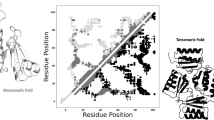
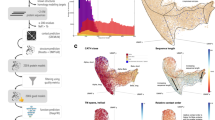
They then used protein design methods to generate sequences from those reduced alphabets, aiming to mimic folds associated with metabolism, redox chemistry, electron transfer, and ribosomal function. The resulting sequences were folded with prediction tools, and the predicted structures were compared against native proteins using a structural similarity metric.
Wide fold coverage from tiny alphabets
Despite the severe amino acid restrictions, the models produced proteins that matched a wide range of important fold types. That included folds linked to enzymes in the reverse tricarboxylic acid cycle, as well as proteins involved in electron transfer and other ancient biochemical tasks.
One especially notable case involved a ferredoxin-like protein. The authors report that a six-amino-acid alphabet — the five most abundant amino acids on Bennu plus cysteine, which could plausibly be supplied by atmospheric chemistry — could form a structure with a believable iron-sulfur binding arrangement.
Why this matters for origins research
The findings suggest that early life may not have needed a chemically rich starting toolkit to explore useful protein shapes. In other words, a sparse prebiotic alphabet may have been enough to access folds that later became central to metabolism and cellular organization.
That has implications well beyond origin-of-life theory. If limited amino acid sets can support useful structural diversity, similar design principles could inform synthetic biology and future therapeutic protein engineering, especially in situations where simplified chemistries are advantageous.
The study also highlights the growing role of computational protein design in origin-of-life research. Rather than asking only what ancient chemistry could produce, the work tests what kinds of biological form are possible when evolution begins with very constrained building blocks.
Data associated with the proteins analyzed in the paper have been made publicly available by the authors.