Histone acetyltransferases help turn genes on by adding acetyl groups to chromatin, but these enzymes do not work in isolation. They operate as part of multi-protein assemblies that can change where they bind, which substrates they prefer, and what biological programs they control. That complexity has made it difficult to study one complex without disturbing others that use the same core catalytic machinery.
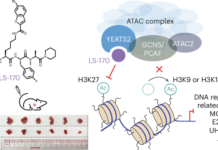
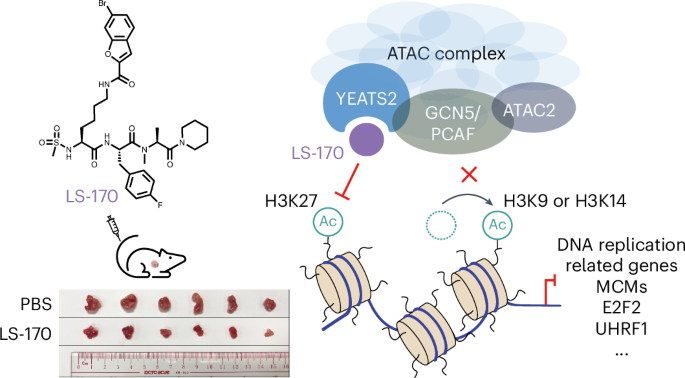
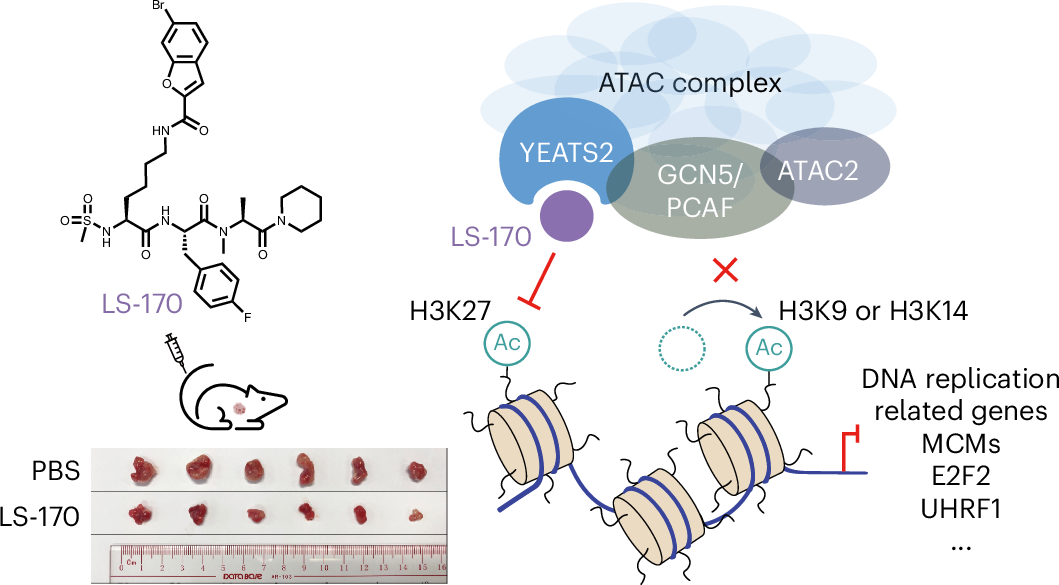
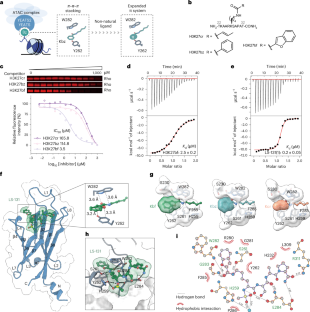
A new study takes a different route. Instead of inhibiting the shared HAT enzyme, the researchers designed chemical inhibitors against YEATS2, a component that is specific to the ATAC coactivator complex. This approach allowed them to selectively weaken ATAC function while leaving other HAT-containing complexes largely untouched.
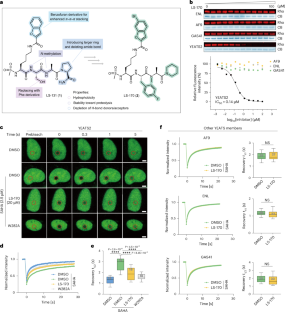
The lead compound, LS-170, reduced how much ATAC was retained on chromatin, lowered ATAC-linked histone acetylation, and changed the expression of genes regulated by the complex. In cells and in a lung cancer mouse model, those effects translated into a measurable reduction in tumor growth.
The work is notable for two reasons. First, it provides a chemical tool for dissecting the roles of a single HAT complex in gene regulation. Second, it suggests that complex-selective targeting may be a useful therapeutic strategy, especially in cancers that depend on ATAC-driven transcriptional programs.
For peptide and chromatin-focused drug discovery, the study reinforces an important idea: sometimes the best way to modulate an enzyme pathway is not to hit the active site, but to target a partner protein that gives the complex its unique biology.
Structural and sequencing data from the project have also been deposited publicly, supporting follow-up work on the ATAC complex and its inhibitors.