A recent review takes a broad look at β-casomorphin-7 (βCM-7), a peptide formed during digestion of β-casein A1, a milk protein variant found in many cow populations, especially in some European breeds. The paper brings together what is known about where this peptide comes from, how it is identified, what it can do in dairy systems, and what researchers still disagree on when it comes to human health.
βCM-7 has attracted attention because it can interact with μ-opioid receptors, giving it opioid-like activity. That property is one reason the peptide is discussed in both food science and biomedical contexts. In dairy products, casein-related peptides may influence functional properties, while in the body they may be relevant to digestive and immune processes.
Where βCM-7 comes from
The review focuses on the digestion of A1 β-casein, one of the common casein variants in cow’s milk. When this protein is broken down, βCM-7 can be released. The amount produced may vary depending on the milk’s protein profile, processing conditions, and digestion conditions.
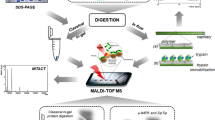
Because of that variability, the peptide is often studied alongside β-casein polymorphisms and differences between milk sources. Researchers have also developed analytical approaches, including advanced chromatography and mass spectrometry, to better detect and quantify casein phenotypes and the peptides they generate.
Why food scientists care
Beyond health discussions, βCM-7 is relevant to techno-functionality. Milk proteins are not only nutritional ingredients; they also shape texture, stability, and other product qualities. Bioactive fragments derived from caseins can therefore matter for both product performance and downstream biological effects.
The review places βCM-7 in the larger context of milk protein research, where casein structure, genetic variation, and processing conditions all influence the final characteristics of dairy foods.
Health effects: promise and uncertainty
On the health side, the literature remains mixed. The review notes potential benefits for gastrointestinal and immune health, but also highlights concern about possible adverse effects. As with many food-derived bioactive peptides, the challenge is separating plausible mechanisms from evidence that is strong enough to support clear conclusions in humans.
That debate has helped fuel interest in A2 milk and related dairy products, although consumer interest often moves faster than the science. The review makes clear that βCM-7 remains a topic where interpretation depends heavily on context: the source milk, the digestion model, and the biological endpoint being studied.
Bottom line
This review offers a useful map of a complicated field. βCM-7 sits at the intersection of dairy chemistry, analytical science, and nutrition research. It may be a meaningful bioactive peptide, but the current evidence still leaves open important questions about how much is produced, how reliably it is detected, and what it truly means for human health.
For readers following peptide science, it is a reminder that not all peptides are studied for the same reason: some are potential therapeutics, others are food-derived molecules whose effects depend on digestion, dose, and context.