Natural toxins that target voltage-gated sodium channels have long intrigued researchers because many are extremely potent against insects while sparing mammals. A new study uses cryo-electron microscopy to explain that selectivity at atomic resolution, revealing how two peptide toxins from very different animals recognize the same insect channel through distinct binding strategies.
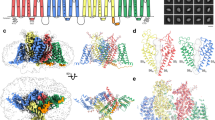
The team examined NavPaS, an insect sodium channel, bound to Av3 from a sea anemone and LqhαIT from a scorpion. Both toxins act on voltage-sensing domain 4 (VSD4), where they interfere with fast inactivation by keeping the S4 segment in a deactivated state. Although they share this overall outcome, the structures show different contact patterns: Av3 binds at a membrane-facing pocket between VSD4 and pore domain 1, while LqhαIT uses the more familiar neurotoxin site 3.
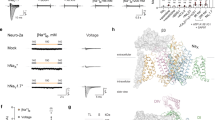
That contrast is important. It suggests that insect selectivity does not come from a single universal rule, but from a set of molecular features that shape how toxins and channels coevolved. Supporting the structural work, electrophysiology and toxicity assays showed that the observed interactions match functional effects on channel gating and insect survival.
One of the most notable parts of the study is its design component. Using the structural data as input for AI-assisted protein engineering, the researchers modified LqhαIT and identified a variant with roughly doubled insecticidal efficacy in bioassays. In other words, the structures did not just explain how the toxins work; they also provided a practical template for improving them.
For biopesticide development, that combination matters. Peptide toxins can offer high potency and specificity, but only if their activity can be tuned to the right target species. By pairing cryo-EM with computational design, the study offers a roadmap for building next-generation toxin-based pest control agents that are both more effective and more precisely targeted.
The work also adds to a broader picture of sodium-channel pharmacology, showing how different natural ligands can converge on the same functional endpoint through very different structural solutions. That diversity may prove useful as researchers look for new ways to exploit insect-specific channel features without increasing risks to non-target animals.