Therapeutic peptides are attracting growing interest across medicine, but making them is still resource-intensive. Traditional synthesis methods often depend on excess reagents and, above all, large amounts of organic solvent, which raises both environmental and practical concerns.
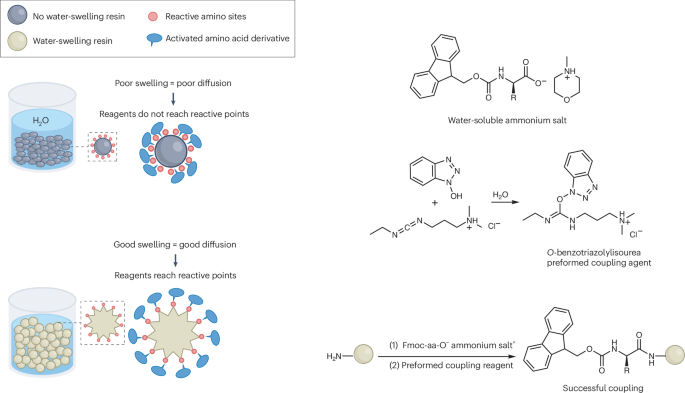
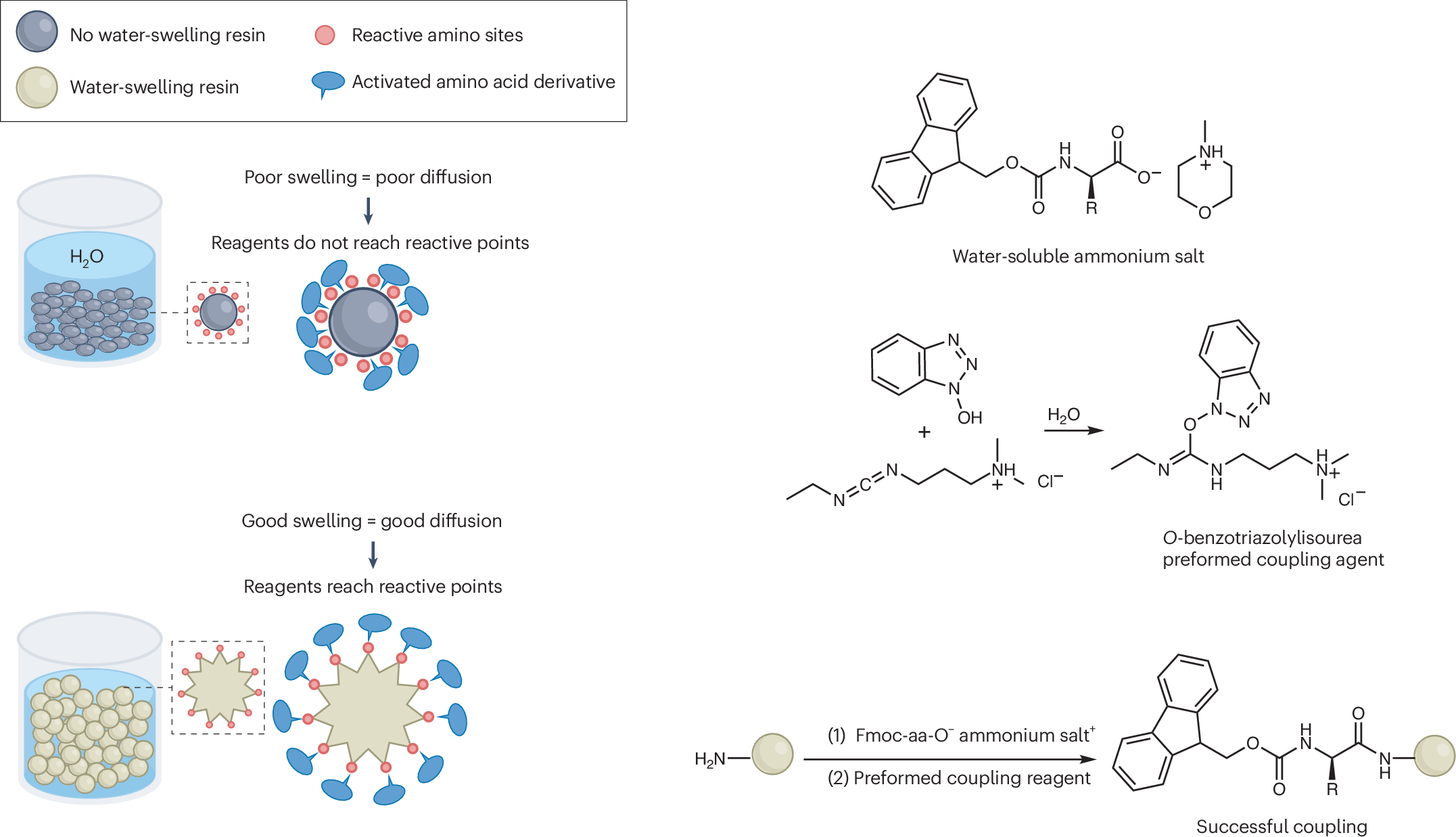
In response, researchers have described a water-based synthetic protocol designed to reduce the footprint of peptide production. The idea is straightforward but important: if peptide chemistry can be shifted toward aqueous conditions, manufacturers may be able to cut down on solvent use while keeping the chemistry useful for real-world applications.
This development fits into a wider push for greener manufacturing in pharmaceuticals and fine chemicals. Solvent consumption is one of the biggest sustainability challenges in peptide synthesis, so any method that can operate in water deserves attention. While the long-term impact will depend on scope, efficiency, and compatibility with different peptide sequences, the report signals that more environmentally conscious routes are becoming a serious part of peptide process development.
As demand for peptide-based therapeutics continues to rise, sustainable synthesis will likely become less of a niche goal and more of a core requirement. Water-based methods may not replace every existing workflow, but they could help set a new standard for how peptide chemistry is designed in the future.