Milk is more than a source of protein and calcium. It also contains protein fragments, or peptides, that can become biologically active once released during digestion or food processing. One of the most discussed examples is β-casomorphin-7 (βCM-7), a seven-amino-acid peptide generated from β-casein A1 after proteolysis.
A recent review brings together the current picture of βCM-7, covering where it comes from, how researchers identify it, how it behaves in food systems, and what is known about its possible effects on human health. The topic sits at the intersection of dairy science, peptide biochemistry, and nutrition research.
Why βCM-7 draws attention
βCM-7 is often discussed because it shows opioid-like activity through interaction with μ-opioid receptors. That receptor affinity is part of what makes the peptide interesting to researchers: it may influence biological signaling in the gut while also affecting the functional properties of dairy products.
The peptide is linked mainly to digestion of the A1 variant of β-casein, a form more common in certain European cow breeds. That has helped fuel ongoing interest in milk protein polymorphisms and how they shape both product characteristics and consumer perception.
What the review covers
The article surveys several major areas:
- Occurrence: where βCM-7 may be present in milk and dairy-derived products.
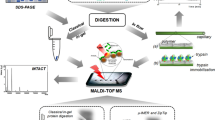
- Identification: analytical approaches used to detect and quantify the peptide.
- Techno-functionality: how βCM-7 and related casein fragments may influence texture, processing, or product behavior.
- Health effects: reported and proposed impacts on gastrointestinal and immune function, alongside concerns about possible adverse outcomes.
This broad approach is useful because βCM-7 is not just a nutrition topic. It is also a food chemistry issue, since the same peptide fragment can matter both in the digestive tract and in the manufacturing environment.
Potential benefits, possible risks, and unresolved questions
The review notes that βCM-7 has been associated with potential benefits for gut and immune health, but the evidence remains debated. At the same time, concerns persist about whether the peptide could contribute to undesirable physiological effects in some contexts.
That tension is typical of many food-derived bioactive peptides: the same molecular feature that makes them intriguing as functional ingredients can also raise questions about safety, dosage, digestion, and individual variability.
For now, the most important takeaway is that βCM-7 remains a high-interest peptide with an unsettled evidence base. Researchers continue to investigate how much is released under real-world digestion conditions, how reliably it can be measured, and what those concentrations mean for human biology.
Why this matters for dairy science
Work on βCM-7 also overlaps with the broader discussion around A1 and A2 milk, casein genetics, and consumer preferences. As analytical methods improve, scientists are better able to compare milk from different breeds and processing conditions, and to map how casein variants influence the peptides released during digestion.
In practical terms, that means the βCM-7 conversation is likely to keep expanding beyond basic biochemistry. It touches food labeling, breeding choices, product development, and the ongoing effort to understand how milk proteins interact with the human body.
No datasets were generated or analyzed in the reviewed study.